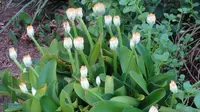
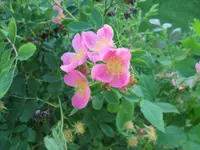
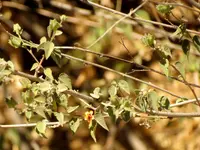
Daisy-leaved Toadflax Care (Anarrhinum bellidifolium)

Daisy-leaved Toadflax

About Daisy-leaved Toadflax

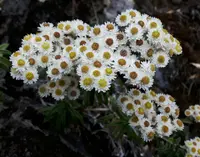
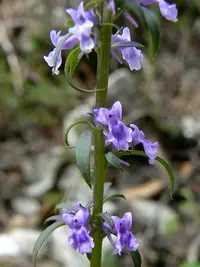
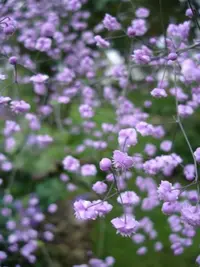
Daisy-leaved toadflax, Anarrhinum bellidifolium, is a delicate, short-lived perennial or biennial from dry, rocky slopes and open scrub in parts of southern Europe. It forms slender, upright stems with fine, daisy-like leaves and small, tubular flowers that resemble miniature snapdragons.

The plant has a light, airy look and often self-seeds where conditions suit it, creating natural drifts over time. It adapts well to poor, well-drained soils and does not like heavy, waterlogged ground.

Once established, it is relatively undemanding, especially in sunny, open sites with moderate moisture. Gardeners who learn how to care for Daisy-leaved Toadflax usually find it easier to maintain in the long term.

Main Plant Requirements

Care Difficulty

Moderate Care

Light Preference

Full Sun

Water Requirements

Moderate Water

Temperature Preference

Cool Climate

Hardiness Zone

5–8

Soil Texture

Sandy, Loamy, Rocky

Soil pH

Acidic (5.5–6.5), Slightly acidic (6.5–7.0)

Soil Drainage

Well-drained

Fertilization

Minimal (feed rarely)

Get Personalized Care Plan

Scan your plant to receive care tips personalized for your specific plant

Available on iOS and Android

How to Care for the Daisy-leaved Toadflax

Anarrhinum bellidifolium grows best in bright, direct outdoor light with some protection from harsh extremes.

  • Provide 6–8 hours of sun daily, ideally with morning sun and light afternoon shade, especially in hotter regions.
  • Plant in an open position; it tolerates light partial shade, but flowering decreases if it receives under 4–5 hours of direct sun.
  • In very hot summers, strong afternoon sun can scorch foliage and dry soil too fast, so use neighboring plants or structures to create filtered light for Daisy-leaved Toadflax.

Anarrhinum bellidifolium prefers evenly moist but not saturated soil, with brief drying between waterings.

  • Water when the top 2–4 cm of soil feels dry, letting water soak through, then drain fully to avoid pooling around the roots.
  • During cool spring and fall, watering is needed less often; in hot, windy weather, expect faster drying and more frequent checks.
  • Overwatering shows as yellowing, limp stems and soft roots, while underwatering leads to wilting and crisp leaf edges in fast-drying, sandy soil.

This species prefers mild conditions and tolerates cool weather better than intense heat.

  • Aim for active growth in 55–70°F (13–21°C); flowering is often strongest in the cooler part of this range.
  • Mature plants can handle brief drops near 23°F (-5°C), but repeated hard frosts below this can damage stems and buds.
  • In hot spells above 85°F (29°C), growth may slow; provide mulch, consistent soil moisture, and light afternoon shade to reduce heat stress.

This species tolerates a wide humidity range and rarely needs special humidity management in typical homes or gardens.

This species performs best in light, free-draining mineral soils that do not stay wet after rain or watering.

  • Use a sandy or sandy-loam mix with low to moderate organic matter to mimic its natural rocky habitats.
  • For containers, combine roughly 60% peat-free compost, 30% coarse sand, and 10% fine grit or perlite for fast drainage.
  • Aim for slightly acidic to neutral pH around 6.0–7.0, avoiding strongly alkaline or chalky mixes unless the species is locally adapted.
  • Avoid heavy clay, compacted areas, or any spot where water pools, since persistently wet roots increase rot risk for Anarrhinum bellidifolium.

This species is suitable for container growing, especially in sunny, well-drained positions.

  • Choose a relatively deep but narrow pot to support its taproot while limiting excess wet substrate around the crown.
  • Use a heavy or wide-based container if grown tall so wind is less likely to topple the plant.
  • Select a porous pot material like unglazed terracotta to allow faster evaporation, which helps keep the root zone drier after rain.

This light-feeding wildflower, commonly called Daisy-leaved Toadflax, usually needs only modest nutrition in average garden soil.

  • In poor or very sandy soil, apply a balanced NPK fertilizer at half strength once at the start of the growing season.
  • Alternatively, work a thin layer of fine compost into the topsoil in early spring for a gentle nutrient boost.
  • Avoid frequent feeding; excessive nutrients encourage leafy growth at the expense of flowers.
  • Do not fertilize in winter or when growth is dormant, as roots are less active and salt buildup risks increase.

Anarrhinum bellidifolium benefits from light, timely pruning to maintain flowering and a tidy shape.

  • Deadhead spent flower stalks in summer using clean scissors or hand pruners to encourage further blooming.
  • Remove dead, diseased, or storm-damaged stems whenever noticed to limit disease spread.
  • Thin crowded or weak shoots in late spring to improve air flow and reduce fungal issues.
  • At season’s end, cut back dry stems close to the base, leaving any low green growth intact.

This plant is usually grown in garden beds, so focus on careful transplanting rather than frequent repotting.

  • Transplant in early spring or early fall when temperatures are mild and soil is moist but not waterlogged.
  • Move plants if growth declines, roots circle a small pot, or soil dries out very quickly after watering.
  • Choose a sunny, free-draining site and replant at the same depth, firming soil gently around the root ball.
  • Water thoroughly after transplanting, then keep evenly moist for 1–2 weeks to reduce transplant shock.

Anarrhinum bellidifolium is most often propagated by seed, which allows larger groups to be established.

  • Sow fresh seeds in late winter or early spring under cover in trays of free-draining seed compost.
  • Provide bright light and cool conditions around 55–65°F; germination is improved by light, so do not bury seeds deeply.
  • Keep the surface just moist, not wet, using a fine mist or bottom watering to avoid dislodging seeds.
  • Prick out seedlings once they have several true leaves, then harden off before planting into the garden.

This species is generally hardy in cool climates and usually needs only minimal winter care in well-drained soil.

  • In regions with wet winters, ensure soil drains freely to prevent root rot in cold, saturated ground.
  • Apply a light mulch layer around the base in late fall, keeping it away from crowns to reduce rot risk.
  • Container-grown plants in colder zones can be moved to a sheltered, unheated space to avoid repeated freeze–thaw cycles.

Care Tips

Encourage Successive Bloom

Shear back spent flowering stems by about one-third immediately after the first main flush to stimulate new side shoots and extend the blooming period when growing Daisy-leaved Toadflax.

Use Light Grit Mulch

Apply a thin 0.5–1 in layer of horticultural grit or fine gravel around the crown to keep the neck of the plant dry, reduce splash-borne fungal issues, and help seedlings establish without rotting.

Staggered Sowing Strategy

Sow small batches of seed every 2–3 weeks in late winter to early spring so that plants reach flowering at slightly different times, creating a longer display and a built-in succession of younger plants.

Self-Seeding Management

After flowering, leave a few healthy seedheads on the best-positioned plants to drop seed naturally, but deadhead the rest to prevent overcrowding and maintain a controlled drift rather than a dense mat.

Companion Rock Placement

Position small rocks or broken paving pieces near, but not shading, the crown to mimic crevice conditions, which stabilize soil temperature, improve drainage at the root zone, and support longer-lived plants.

Common Pests and Diseases

Aphids

This pest feeds on tender shoot tips and flower stems, sucking sap and causing distortion, yellowing, and sticky honeydew on foliage. Symptoms include curling young leaves and reduced flowering in closely planted clumps.

Solution

Rinse colonies off stems with a firm stream of water and remove heavily infested shoot tips. For repeated issues, apply insecticidal soap or a ready-to-use horticultural oil, targeting the undersides of leaves and slender flowering stems while improving air circulation in dense patches.

Leaf spot

This disease causes small tan to brown spots on lower and inner leaves, which can merge to form larger patches and lead to premature leaf drop in humid or overcrowded plantings. Symptoms include a thinning, patchy look to the foliage base while stems remain upright.

Solution

Remove and discard affected leaves and any dense, matted debris at the base of plants, then space plants to allow better airflow. Water at soil level in the morning and, if needed, apply a labeled fungicide for ornamental bedding plants during prolonged wet periods as part of broader Anarrhinum bellidifolium care.

Powdery mildew

This disease produces a white to gray powdery coating on leaves and stems, often appearing first on crowded or shaded plants. Symptoms include dull, faded foliage and reduced vigor in older clumps.

Solution

Thin crowded plantings and avoid overhead watering to reduce humidity around foliage. Remove the worst-affected stems and, if conditions stay dry and warm, use a sulfur or potassium bicarbonate fungicide labeled for ornamental annuals, applying at the first sign of infection.

Slugs and snails

These pests chew irregular holes in young leaves and may sever or scar new flower stems at the base, especially in cool, moist sites. Symptoms include shredded foliage and slime trails on soil or stones near plants.

Solution

Hand-pick slugs and snails in the evening and reduce hiding places such as dense mulch, boards, or pots lying on the soil. Use iron phosphate slug pellets or beer traps placed around, not on, the planting area to protect young rosettes and new basal growth.

Spider mites

These insects are tiny sap feeders that thrive in hot, dry positions and cause stippled, dull leaves with fine webbing between stems and foliage. Symptoms include a grayish cast to the foliage and slowed growth, especially in containers near walls or paving that reflect heat.

Solution

Spray plants with a strong stream of water to dislodge mites and increase ambient humidity around them in very dry positions. For persistent infestations, use insecticidal soap or horticultural oil, repeating applications on the undersides of leaves according to label directions while avoiding treatment during high heat to prevent leaf scorch.

Interesting Facts

Miniature snapdragon relative

This species is a small, wiry relative of garden snapdragons (both in Plantaginaceae) and bears similar two-lipped flowers, but on much finer stems with tiny daisy-like leaves.

Rocky habitat specialist

In the wild it typically grows in dry, open, and often rocky places such as banks, walls, and light scrub in western and southern Europe, showing a strong preference for well-drained, low-nutrient substrates.

Short-lived perennial habit

Although often treated as an annual in gardens, this plant is actually a short-lived perennial that can persist for several seasons in mild climates, especially where it can reseed lightly into cracks and gravel.

FAQs about Daisy-leaved Toadflax

This species usually flowers from late spring through mid-summer, often May–July, depending on climate. In cooler areas, flowering may extend slightly longer. Deadheading spent stems can encourage a somewhat longer, more continuous display.

Grow Healthy Plants with Botan Care

Keep your plants happy and healthy with plant identification, disease detection, and easy care guidance.

Botan plant care app — identify plants on mobile

Explore More Plants