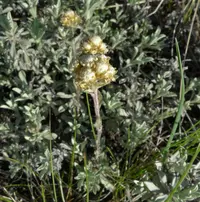
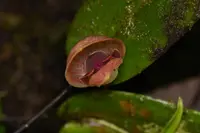
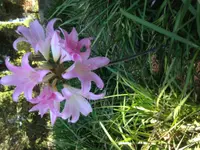
Water Arum Care (Arum hygrophilum)

Water Arum

About Water Arum

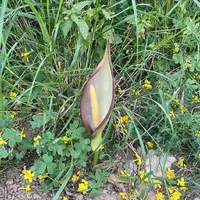
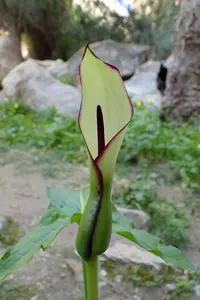
Water arum (Arum hygrophilum) is a wetland aroid that forms clumps of upright stems with arrow-shaped, glossy green leaves. It often produces distinctive hooded flower structures followed by showy berries.

This species is native to the eastern Mediterranean, where it grows in marshy ground, ditches, and other consistently moist habitats. Its preference for damp, humus-rich soil and steady moisture makes it best suited to bog gardens, water margins, or carefully managed containers.

Those learning how to care for Water Arum should know it is not a low-maintenance houseplant, as it dislikes drying out and needs stable moisture and cool to mild conditions.

Main Plant Requirements

Care Difficulty

Moderate Care

Light Preference

Partial Shade

Water Requirements

Aquatic

Temperature Preference

Warm Climate

Hardiness Zone

10–11

Soil Texture

Loamy, Silty, Organic-rich

Soil pH

Acidic (5.5–6.5), Slightly acidic (6.5–7.0)

Soil Drainage

Waterlogged tolerant

Fertilization

Minimal (feed rarely)

Get Personalized Care Plan

Scan your plant to receive care tips personalized for your specific plant

Available on iOS and Android

How to Care for the Water Arum

Arum hygrophilum prefers bright, soft light similar to that of open, marshy edges.

  • Provide 4–6 hours of morning sun with light shade or filtered light in the afternoon to prevent leaf scorch.
  • Tolerates partial shade, but stems may stretch and flowering may decline if sun is below about 3–4 hours daily.
  • In hot summers, shift Water Arum to dappled shade; in winter, ensure an open, unobstructed sky so low-angle sun still reaches the plant.

This semi-aquatic aroid thrives in consistently wet conditions without drying out.

  • Keep soil or mud saturated; in the ground, water whenever the surface begins to lose sheen but is still soft, avoiding cracked or dusty soil.
  • In boggy beds or pond margins, allow shallow standing water (2–5 cm) around the crown while ensuring slow movement or refreshment to prevent stagnation.
  • Signs of underwatering include limp or folding leaves; yellowing, mushy bases and foul smell point to waterlogging without enough oxygen.

This species prefers mild, frost-free conditions with cool to warm temperatures across the year.

  • Aim for 60–77°F (16–25°C) during active growth for best foliage and flowering.
  • Tolerates brief dips to 40°F (4°C), but foliage is damaged by frost; prolonged exposure below 35°F (2°C) can injure the crown.
  • Handles summer warmth up to about 86°F (30°C) if soil stays saturated; provide shade and high humidity during hotter periods to limit stress.

This semi-aquatic species prefers constantly moist air but adapts to typical home humidity if its root zone stays wet.

  • Aim for 60–80% humidity, especially when air temperatures are above 70°F.
  • Tolerates brief dips to 40–50%, but leaf edges may brown and tips may curl in prolonged dry air.
  • Increase humidity with a nearby humidifier or open tray of water, but prioritize consistently wet substrate over misting.

This species naturally grows in saturated, organic-rich substrates rather than standard potting soil.

  • Use a heavy, peat- or coco-based mix with high organic matter, such as 2 parts peat/coco, 1 part loam, and 1 part sand.
  • Choose soil that stays wet to waterlogged but does not form an anaerobic, foul-smelling sludge at the surface.
  • A slightly acidic to neutral pH around 6.0–7.0 suits Arum hygrophilum in containers or pond margins.
  • Avoid dry, sandy, or highly porous cactus-type mixes and add extra organic matter if the soil dries within 1–2 days.

This species can be grown successfully in containers, especially as a marginal or bog plant near water.

  • Select a wide, stable pot that will not tip when the foliage leans or is exposed to wind outdoors.
  • Use a container with few or no drainage holes if used as a mini-bog, and keep a shallow water layer above the soil surface.
  • Place the container inside a larger outer pot or tray to trap water and maintain a consistently saturated root zone without frequent watering.

This wetland aroid benefits from modest feeding during active growth but does not need heavy fertilization.

  • Use a balanced liquid NPK fertilizer at 1/2 strength every 4–6 weeks in spring and summer for caring for Water Arum.
  • In rich, organic soil, supplement lightly with compost instead of frequent synthetic feeds.
  • Avoid fertilizing when Arum hygrophilum is dormant, usually in late fall and winter.
  • Flush containers with plain water occasionally to prevent salt buildup around the roots.

Pruning needs for Arum hygrophilum are light and mainly focused on hygiene and appearance.

  • Best time to prune is after flowering and as foliage begins to decline at season’s end.
  • Remove dead, yellowing, or damaged leaves at the base to limit disease and improve air flow.
  • Thin crowded shoots in dense clumps to maintain shape and access to light.
  • Use clean, sharp scissors or hand pruners, disinfected before and after cutting.

This species is usually grown in wet garden beds or ponds, so focus on transplanting clumps rather than frequent repotting.

  • Transplant in early spring before strong new growth, or in early fall while soil is still warm.
  • Look for congested clumps, slow growth, or roots filling baskets or containers as signs it needs more space.
  • Divide the root mass gently, keeping several shoots and healthy roots per division to reduce stress.
  • Replant at the same depth, water thoroughly, and keep soil or pond substrate consistently moist until re-established.

Arum hygrophilum is most commonly propagated by division, with seed used mainly for conservation or breeding.

  • Divide established clumps in early spring or early fall when growth is slower and temperatures are mild.
  • Lift the clump, then separate sections with several buds and healthy roots using a clean knife if needed.
  • Replant divisions into consistently moist, rich soil or aquatic baskets and water well.
  • For seed, sow fresh in a cool, moist medium and allow natural stratification, which means exposure to cooler conditions to trigger germination.

This plant is moderately cold tolerant in mild climates but may need some winter care in colder regions.

  • In-ground plants in mild zones usually overwinter without extra protection if soil stays moist but not frozen solid.
  • Apply 5–8 cm of mulch over the root zone in late fall to buffer temperature swings.
  • In colder climates, lift and overwinter container-grown clumps in a frost-free, cool, bright location.

Care Tips

Container depth choice

Use a tall, heavy container or pond basket at least 25–30 cm deep so the root system can anchor securely and the inflorescences are less likely to topple in wind or strong water movement.

Marginal planting setup

When placing plants at the edge of a pond or water feature, position the crown just above the soil line and set the pot so the water level sits 2–8 cm above the soil surface to keep roots wet but avoid rot at the growing point.

Seasonal water drawdown

In regions with cool winters, gradually lower water levels in late autumn and move container-grown plants slightly deeper or into a frost-free cold frame to protect rhizomes from freeze damage while allowing a natural dormancy.

Rhizome division timing

Divide congested clumps only during late dormancy, using a clean, sharp knife to cut firm, healthy rhizomes into sections with at least 1–2 buds each, then replant immediately to maintain vigor and flowering.

Snail and slug management

Inspect leaf bases and surrounding wet soil regularly and use physical barriers, hand-picking at dusk, or iron phosphate baits to control snails and slugs that readily chew young shoots when caring for Water Arum.

Common Pests and Diseases

Aphids

This pest often colonizes the soft flowering stems and undersides of young leaves, feeding on sap and distorting new growth. Symptoms include sticky honeydew deposits that can encourage black sooty mold on the foliage and spathes.

Solution

Rinse colonies off with a firm stream of water, then treat remaining insects with insecticidal soap or a light horticultural oil, repeating weekly until populations drop. Reduce excess nitrogen fertilization, check nearby aquatic or marginal plants that may act as reservoirs, and prune heavily infested flower stalks if needed.

Spider mites

These insects thrive on Arum hygrophilum when conditions are warm and relatively dry, causing stippled, pale leaves and fine webbing on the undersides. Symptoms include dull, yellowing foliage that may collapse earlier than normal.

Solution

Increase ambient humidity around the plant, then wash both sides of leaves thoroughly with water to remove mites and webs. Follow with repeated applications of insecticidal soap or neem oil, making sure to cover leaf undersides, and avoid letting the soil or surrounding water margins dry excessively.

Bacterial soft rot

This disease attacks corms, petioles, and lower leaf bases, causing watery, foul‑smelling decay that spreads rapidly in warm, stagnant water or oversaturated soil. Symptoms include collapsing leaves, mushy tissue at the crown, and a strong unpleasant odor near the plant base.

Solution

Remove and discard all affected plants and corms, including any slimy residues in the planting zone, and avoid reusing contaminated soil or waterlogged media. Replant only into clean, well‑aerated, consistently moist but not stagnant conditions, keep debris away from crowns, and avoid injuring corms during division or transplanting as part of Arum hygrophilum care instructions.

Leaf spot (fungal)

This disease produces irregular brown or dark purple spots on leaves and sometimes on petioles, often starting on older foliage in dense or poorly ventilated stands. Symptoms include coalescing lesions that cause sections of the leaf to yellow, dry, and die back prematurely.

Solution

Promptly remove and dispose of spotted or senescing leaves, and thin crowded clumps to improve air movement over the foliage. Keep irrigation water off the leaves where possible, and apply a labeled copper or chlorothalonil fungicide preventively in early growth periods if the plant has a history of recurring leaf spot in that site.

Interesting Facts

Late‑winter bloomer

This species typically flowers in late winter to early spring around the eastern Mediterranean, producing its spadix and greenish spathe when many surrounding herbaceous plants are still dormant.

Specialist pollinator strategy

Its inflorescence emits a faint scent and provides a sheltered chamber that temporarily traps small insects, mainly flies, which move pollen between plants before being released.

Moist habitat preference

In the wild, this plant is linked to seasonally wet sites such as stream margins and damp rocky slopes, reflecting its adaptation to soils that remain moist during the cool growing season.

Botan icon

Did you know?

In parts of its native range in the Levant, this species is considered locally threatened because of habitat loss and changes to traditional agricultural landscapes that historically maintained the damp microhabitats it requires.

FAQs about Water Arum

Lack of flowering often comes from insufficient winter dormancy, low light during the growing season, or nutrient imbalance. Provide a cool rest period, steady moisture, and a balanced, low-phosphorus fertilizer to support bud formation and stable blooming.

Grow Healthy Plants with Botan Care

Keep your plants happy and healthy with plant identification, disease detection, and easy care guidance.

Botan plant care app — identify plants on mobile

Explore More Plants