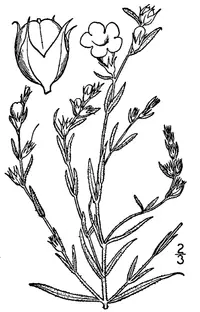
umber pussytoes Care (Antennaria umbrinella)

Also known as: brown-bract pussytoes, Brown Pussytoes
umber pussytoes

About umber pussytoes

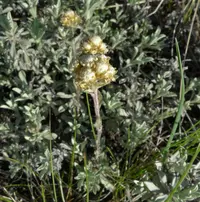
Umber pussytoes (Antennaria umbrinella) is a low-growing, mat-forming perennial in the daisy family. It is valued as a tough groundcover for dry, sunny sites. The plant forms tight rosettes of gray-green, often woolly leaves, and sends up short stems topped with small, clustered flower heads in muted cream to brownish tones. This creates a fine-textured, carpeting effect. In nature, it occurs in open, rocky or sandy habitats, often in higher elevations of western North America. Its tolerance of poor soils, drought, and wind makes it relatively easy to grow once established. Gardeners who learn how to care for umber pussytoes usually appreciate its durability in low-maintenance landscapes.

Main Plant Requirements

Care Difficulty

Easy Care

Light Preference

Full Sun

Water Requirements

Low Water

Temperature Preference

Cold Hardy

Hardiness Zone

3–8

Soil Texture

Sandy, Loamy, Rocky

Soil pH

Slightly acidic (6.5–7.0), Neutral (7.0)

Soil Drainage

Well-drained

Fertilization

Minimal (feed rarely)

Get Personalized Care Plan

Scan your plant to receive care tips personalized for your specific plant

Available on iOS and Android

How to Care for the umber pussytoes

This alpine perennial thrives in full sun but tolerates light shade in hot regions.

  • Provide 6–8 hours of direct sun daily; strong morning sun with light afternoon shade suits most sites.
  • In hotter climates, protect umber pussytoes from intense midafternoon sun to prevent leaf scorch, especially in shallow or dry soils.
  • In cooler climates, full sun all day supports dense, compact growth; in partial shade, expect looser foliage and fewer flowers, especially in late spring.

This species prefers dry, fast-draining conditions and is sensitive to excess moisture.

  • Allow the top 3–5 cm of soil to dry fully before watering; in the ground, established clumps may need no irrigation beyond normal rainfall.
  • Use sharply draining, gritty soil or a rocky slope so water runs off quickly and does not pool around Antennaria umbrinella roots.
  • Watch for yellowing, limp foliage or a musty smell as signs of overwatering; crisp, folding leaves and shriveling rosettes signal prolonged drought stress.

This cold-hardy perennial tolerates a wide temperature range once established.

  • Optimal active growth occurs around 55–75°F (13–24°C), especially in spring and early summer when soil remains cool.
  • Mature plants withstand winter lows near -30°F (-34°C) under snow cover, but young plants benefit from light mulch in their first cold season.
  • In summer heat above 85–90°F (29–32°C), growth can slow; provide excellent drainage and avoid heat-reflecting surfaces that overheat the root zone.

This alpine species prefers dry air and rarely has humidity problems in typical indoor or outdoor conditions.

  • Target 30–50% humidity, similar to most heated homes or dry outdoor sites.
  • Leaves may soften, elongate, or mildew slightly if kept in consistently humid, poorly ventilated spaces.
  • Improve air movement and avoid grouping near humidifiers or water features if foliage stays damp.

This species thrives in lean, very well-drained, sandy or gravelly soil that mimics its native rocky habitats.

  • Use a mix of roughly 50–70% mineral material such as coarse sand or fine grit with the rest light garden loam.
  • Keep organic matter low; add only a small amount of compost so the soil stays fast-draining rather than rich.
  • Aim for slightly acidic to neutral pH around 6.0–7.0, which suits Antennaria umbrinella in most garden settings.
  • Avoid compacted clay, waterlogged spots, or peat-heavy mixes that hold water around the roots.

This species is suitable for container growing, especially in shallow, free-draining pots or troughs.

  • Choose a wide, shallow container to match the spreading mat growth and prevent dense, airless root zones.
  • Use a gritty top dressing of fine gravel to keep leaf rosettes dry at the base and reduce crown rot risk.
  • Select clay or unglazed ceramic pots to let excess moisture evaporate faster in wet or humid climates.

This low-nutrient prairie perennial needs minimal feeding, as umber pussytoes is adapted to lean, well-drained soils.

Pruning needs for Antennaria umbrinella are light and mainly cosmetic.

  • Cut back spent flower stems in late spring or early summer with clean hand pruners to keep mats tidy.
  • Remove dead or damaged rosettes whenever noticed to reduce disease risk.
  • Thin out congested areas lightly to maintain airflow and prevent thatch-like buildup.

This species is typically grown in the ground and is moved only when necessary.

  • Transplant in early spring or early fall, when temperatures are mild and soil is workable.
  • Shift clumps if growth declines, centers thin out, or plants encroach on nearby species.
  • Lift carefully with a trowel, keeping root mats intact and soil attached to limit stress.
  • Replant at the same depth in very well-drained soil, then water once to settle roots.

Antennaria umbrinella is commonly propagated by division or seed to expand groundcover patches.

  • Divide mature mats in early spring or early fall, slicing clumps into small sections with intact roots.
  • Replant divisions into gritty, well-drained soil and water lightly until established.
  • Sow seeds on the surface of a free-draining mix; they need light to germinate.
  • Provide cool to mild temperatures and avoid overwatering to prevent damping-off in seedlings.

This hardy alpine perennial usually needs little special winter care in most temperate climates.

  • Plants tolerate substantial frost and snow once established in sharply drained soil.
  • In very cold or exposed sites, apply a thin gravel or grit mulch to protect crowns from heaving.
  • For container-grown plants, move pots to a sheltered, unheated spot to avoid repeated freeze–thaw cycles.

Care Tips

Encourage Dense Mats

Lightly pinch back the longest stolons in early summer to encourage branching, which creates a denser, more weed-suppressing carpet over time.

Gravel Mulch Layer

Apply a thin 0.5–1 in layer of coarse grit or small gravel around the crowns to keep leaf rosettes dry at the base and reduce rot in wet climates.

Winter Drainage Check

Before winter, confirm that the planting site does not collect standing water by observing it after a heavy rain, and if needed, add extra grit or slightly raise the planting area.

Weed Exclusion Strategy

Install a breathable landscape fabric under a 1–2 in gravel layer in new beds, then slit and plant through it to greatly reduce weed competition while the colony establishes.

Divide For Rejuvenation

Every 3–4 years, lift and divide older patches in early spring, replanting only the firm, non-woody rosettes to keep the groundcover vigorous and prevent center die-out when growing umber pussytoes.

Common Pests and Diseases

Powdery mildew

This disease causes a white to gray, powdery film on leaves and flower stalks, especially in warm, dry conditions with poor air movement.

Solution

Improve air circulation around the clump, avoid overhead watering, and remove the worst-affected leaves to reduce spore load. In persistent cases, apply a sulfur or potassium bicarbonate fungicide labeled for ornamentals, following label directions, and prevent overcrowding in future divisions as part of Antennaria umbrinella care.

Leaf spot

This disease produces small, brown to dark purple spots on leaves that may merge and cause partial dieback in humid or wet conditions.

Solution

Remove and discard heavily spotted foliage and spent flower stems to reduce fungal or bacterial inoculum. Water at the base early in the day so foliage dries quickly, and in severe cases use a copper-based fungicide labeled for ornamental perennials, rotating products if treatment is repeated.

Aphids

These insects cluster on tender stems and undersides of leaves, sucking sap and sometimes causing distorted growth or sticky honeydew on foliage.

Solution

Dislodge colonies with a firm stream of water and pinch off heavily infested shoot tips. If populations remain high, treat with insecticidal soap or a light horticultural oil, ensuring full coverage of stems and leaf undersides while avoiding applications during high heat or full midday sun.

Spider mites

These pests cause fine speckling, dulling, and occasional bronzing of foliage, sometimes accompanied by delicate webbing in hot, dry weather.

Solution

Increase humidity around the planting slightly with occasional overhead rinsing in the morning, and hose down plants to physically remove mites. For ongoing problems, use insecticidal soap or a labeled miticide, repeating applications as directed and reducing drought stress to make the mat-forming foliage less vulnerable.

Interesting Facts

High-elevation specialist

This species naturally occurs in subalpine and alpine habitats of western North America, where it is adapted to cold, windy conditions and thin, rocky soils that many other perennials cannot tolerate.

Dioecious flower heads

Plants are dioecious, meaning individual plants bear only male or only female flower heads, so seed production in the wild depends on populations containing both sexes.

Fuzzy, drought-tolerant foliage

Its small, gray-green leaves are covered with fine hairs that reduce water loss and protect tissues from intense mountain sunlight, a common adaptation in high-elevation flora.

FAQs about umber pussytoes

This species spreads slowly to moderately by short stolons, forming tight mats rather than loose, running patches. In typical garden conditions it is not considered aggressive and is usually easy to keep within its assigned area.

Grow Healthy Plants with Botan Care

Keep your plants happy and healthy with plant identification, disease detection, and easy care guidance.

Botan plant care app — identify plants on mobile

Explore More Plants