Asphodelus macrocarpus Care

Asphodelus macrocarpus

About Asphodelus macrocarpus

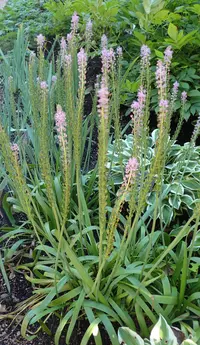
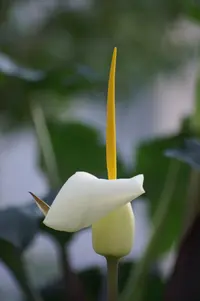
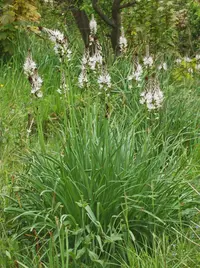
Asphodelus macrocarpus is a perennial herb from Mediterranean regions, growing from fleshy rootstocks and forming upright clumps of narrow, grass-like leaves. In season it sends up tall flower stalks with star-shaped white blooms marked by fine lines, giving a light, architectural look to dry borders or naturalistic plantings.

This species is adapted to sunny, open habitats with well-drained, often poor or rocky soils. It tolerates drought once established but resents heavy, waterlogged ground, which can rot the roots.

For gardeners, it is generally a low-maintenance plant if its need for sun and drainage is respected, so learning how to care for Asphodelus macrocarpus mainly means avoiding excess moisture and shade.

Main Plant Requirements

Care Difficulty

Moderate Care

Light Preference

Full Sun

Water Requirements

Low Water

Temperature Preference

Warm Climate

Hardiness Zone

8–10

Soil Texture

Sandy, Loamy, Rocky

Soil pH

Slightly acidic (6.5–7.0), Slightly alkaline (7.0–7.5)

Soil Drainage

Well-drained

Fertilization

Minimal (feed rarely)

Get Personalized Care Plan

Scan your plant to receive care tips personalized for your specific plant

Available on iOS and Android

How to Care for the Asphodelus macrocarpus

This Mediterranean perennial prefers bright, open conditions with plenty of direct sun.

  • Provide 6–8 hours of direct sunlight daily; morning and midday sun are ideal in mild climates.
  • In hotter regions, give Asphodelus macrocarpus light afternoon shade or filtered sun to reduce leaf scorch and flower stress.
  • Watch for pale, leggy growth as a sign of too little light and for crisp, brown leaf tips as an indicator of excessive intense sun exposure.

This species prefers dry to slightly moist conditions and is sensitive to standing water.

  • Allow the top 3–5 cm of soil to dry before watering; in free-draining ground this may mean deep watering every 7–14 days in the growing season.
  • Reduce watering sharply in late fall and winter, keeping the soil just barely dry to the touch to protect the roots from rot.
  • Signs of overwatering include soft, yellowing leaves and a sour soil smell, while underwatering shows as limp, curling foliage and slow growth.

This hardy perennial tolerates a wide temperature range but performs best in mild, dry conditions.

  • Aim for active growth temperatures around 65–80°F (18–27°C), which support strong foliage and flowering.
  • Established plants typically survive down to about 20°F (−6°C) if soil drains well, but repeated hard frosts below this can damage crowns.
  • In hot summers above 90°F (32°C), growth may slow; combine heat with low humidity and full sun but avoid reflected heat from walls or pavement.

This Mediterranean perennial is adapted to dry air, so humidity management is rarely critical indoors or outdoors.

  • Target 30–50% relative humidity, similar to most heated or air-conditioned homes.
  • Tolerates drier air well; leaf tip browning or shriveling indicates combined drought and heat stress rather than humidity alone.
  • If air is extremely dry and hot, reduce stress by shading during peak sun and slightly increasing watering frequency, avoiding soggy soil.

Asphodelus macrocarpus prefers light, well-drained, mineral soils that do not stay wet after rain or watering.

  • Use a sandy or gritty loam with 30–50% mineral material such as coarse sand or fine gravel to mimic its native rocky habitats.
  • Aim for slightly alkaline to neutral pH around 7.0–8.0, avoiding very acidic mixes that can limit nutrient availability for this species.
  • Blend 20–30% compost or well-rotted leaf mold into a sandy base to add nutrients without creating a heavy, waterlogged structure.
  • Improve aeration and drainage by mixing in perlite or pumice and avoid dense clay, compacted ground, or low-lying spots where water accumulates.

This species can be grown in containers if given a deep, stable pot that supports its substantial root system and tall flower spikes.

  • Choose a pot deeper than it is wide so the fleshy roots can anchor the tall stems without crowding or kinking.
  • Select a heavy terracotta or stone container outdoors to prevent tipping when the flowering stems catch wind.
  • Raise the pot slightly on feet or bricks so drainage holes clear quickly after rain, preventing water from pooling at the base.

This Mediterranean perennial thrives in lean soil and usually needs only light feeding in cultivation.

  • Use a balanced, low-strength liquid fertilizer (e.g., 10-10-10) at 1/2–1/4 label dose during the main growing season if growth appears weak.
  • Apply every 4–6 weeks in spring–early summer; skip feeding in late summer to allow Asphodelus macrocarpus to harden growth.
  • Avoid frequent organic compost top-dressings in already fertile soil, which can cause lanky foliage and fewer flowers.
  • Do not feed during fall and winter dormancy, especially in cold climates or when plants are semi-deciduous.

Pruning needs for Asphodelus macrocarpus are low and focus mainly on cleanliness and seed control.

  • Cut back spent flower spikes at the base in late flowering or early summer to direct energy to roots and future blooms.
  • Remove dead, yellowing, or damaged leaves with clean hand pruners to reduce disease risk and maintain a tidy clump.
  • Thin out crowded or crossing stems lightly if plants are dense, improving air flow without cutting healthy green fans hard.
  • Disinfect blades before and after use to avoid spreading fungal or bacterial problems between plants.

This deep-rooted perennial is more often transplanted in the ground than kept long-term in containers.

  • Plan transplanting for late fall or early spring when top growth is minimal and soil is workable.
  • Look for signs like roots circling inside the pot, water running straight through, or noticeably slowed growth before moving a container-grown clump.
  • Transplant every 3–5 years at most, keeping the root ball intact and replanting at the same depth in free-draining soil.
  • Water thoroughly after planting, then keep soil just slightly moist for 1–2 weeks to limit root stress, avoiding heavy disturbance of thick storage roots.

Propagation of Asphodelus macrocarpus is usually performed from seed, with division used more cautiously on mature clumps.

  • Collect ripe seeds in late summer, sow them in autumn or early spring in a free-draining, gritty mix, and keep at 59–68°F for even germination.
  • Provide bright light and consistent, light moisture; damp, not wet, conditions reduce damping-off disease in seedlings.
  • Divide established clumps only when necessary, lifting carefully and separating sections with several healthy roots and shoots.
  • Plant divisions immediately at the original depth, watering lightly until new growth resumes and avoiding high-nitrogen fertilizers early on.

This species is quite cold tolerant in temperate climates and usually needs only modest winter attention outdoors.

  • In regions with frost, apply a 5–8 cm mulch of gravel or coarse organic material around the crown to buffer temperature swings.
  • Avoid waterlogged soil in winter, which increases root rot risk more than low temperatures themselves.
  • Move container plants to a sheltered, unheated spot with good light, protecting pots from repeated freeze–thaw cycles.

Care Tips

Stabilize tall stems

Install low, discreet stakes or a short ring support before flowering stems reach full height so the tall scapes stay upright and do not lodge in strong wind or heavy rain.

Encourage dense clumps

After flowering, remove spent flower stalks at the base and lightly top-dress around the clump with a thin layer of grit or fine gravel to keep the crown dry and promote tighter, healthier growth.

Plan for seasonal dieback

Mark the plant’s position with a durable label when foliage starts to yellow and die back, so the dormant crown is not damaged by digging or overplanting during winter.

Improve drainage zone

In heavy or marginal soils, create a slightly raised planting mound with added coarse grit or small gravel in the top 10–15 cm to protect the crown from standing water during wet seasons.

Monitor for crown rot

During late winter and early spring, inspect the crown for soft, dark tissue, remove affected parts with a clean knife, and improve air flow and surface drainage as a preventive step when growing Asphodelus macrocarpus.

Common Pests and Diseases

Rust fungus

This disease causes small yellow to orange pustules on leaves and flowering stems, which can coalesce and lead to premature leaf drop in humid conditions.

Solution

Remove and destroy affected leaves to reduce spore spread, avoid overhead watering, and improve air circulation; if rust recurs, apply a sulfur- or copper-based fungicide labeled for ornamental perennials during the early stages of infection.

Leaf spot

This disease produces dark, water-soaked or tan lesions on foliage, often with a defined margin, which can weaken clumps and reduce flowering over time.

Solution

Cut off and discard heavily spotted leaves, irrigate at soil level rather than on the foliage, and keep plant spacing generous; in persistent cases, rotate a broad-spectrum ornamental fungicide according to label directions to protect new growth.

Aphids

These insects cluster on young stems and flower stalks, sucking sap and causing distortion, sticky honeydew, and sometimes sooty mold on leaves and scapes.

Solution

Spray colonies off with a strong stream of water, then treat remaining insects with insecticidal soap or a light horticultural oil, repeating every 5–7 days until populations are suppressed, a key step in effective Asphodelus macrocarpus care instructions.

Bulb mites

This pest feeds on the basal portions of the rootstock, leading to poor emergence, weak growth, and occasional rotting of underground organs in poorly drained or previously infested soil.

Solution

Discard severely affected plants, avoid reusing contaminated soil, and store any lifted rootstocks in cool, dry, well-ventilated conditions; before replanting into infested beds, solarize the soil where feasible or rotate with non-host plants for several seasons.

Narcissus bulb fly

This insect lays eggs near the base of the plant; larvae tunnel into the bulb-like rootstock, causing yellowing foliage, stunting, and eventual collapse of affected shoots.

Solution

Inspect clumps for weak or collapsing shoots and destroy any infested root pieces, use fine mesh or floating row covers over valuable plantings during peak egg-laying periods, and encourage healthy, firm root development through well-drained soil and moderate watering to make plants less attractive to attack.

Interesting Facts

Large Mediterranean geophyte

This species forms a substantial underground tuber and can reach over 1 m in height when in flower, a size noticeably larger than many other Asphodelus species occurring in the Mediterranean basin.

Distinctive floral markings

Its white, star-shaped flowers carry a prominent reddish-brown midvein on each tepal (the petal-like segments), a diagnostic feature botanists use to separate it reliably from closely related asphodels in mixed populations.

Preference for calcareous soils

In the wild it is typically found on limestone or other calcium-rich substrates, showing a strong association with dry, rocky, calcareous grasslands and open scrub in the eastern Mediterranean region.

Botan icon

Did you know?

In some parts of its native range in the eastern Mediterranean, this species can form visually striking, almost pure stands after winter rains, with dense colonies of tall flowering spikes dominating the herb layer before summer drought forces the plant back into dormancy.

FAQs about Asphodelus macrocarpus

The flowers produce nectar and pollen that draw bees, hoverflies, and sometimes small butterflies. Planting several clumps together increases visibility to pollinators and supports local insect diversity in low-maintenance, Mediterranean-style planting schemes.

Grow Healthy Plants with Botan Care

Keep your plants happy and healthy with plant identification, disease detection, and easy care guidance.


Botan plant care app — identify plants on mobile

Explore More Plants