lentil Care (Vicia lens)

About lentil

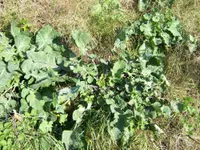
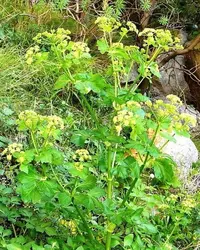
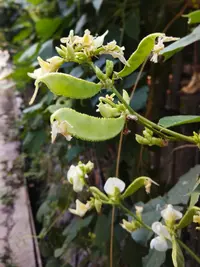
Lentil, Vicia lens, is a cool-season annual legume grown mainly for its edible seeds. It has slender, branching stems with small paired leaflets and delicate tendrils. In bloom, it carries small white to pale lilac flowers that develop into short pods with 1–3 flattened seeds.

The plant likely originated in the Mediterranean and western Asia and is now cultivated in many temperate, semi-arid regions. Its ability to fix nitrogen in the soil makes it useful in crop rotations and relatively undemanding once established.

Lentil prefers full sun, moderately fertile, well-drained soil, and even moisture during early growth. Understanding these basic needs helps guide how to care for lentil in home gardens or small plots.

Main Plant Requirements

Care Difficulty

Moderate Care

Light Preference

Full Sun

Water Requirements

Moderate Water

Temperature Preference

Cool Climate

Hardiness Zone

5–9

Soil Texture

Loamy, Sandy, Organic-rich

Soil pH

Acidic (5.5–6.5), Slightly acidic (6.5–7.0)

Soil Drainage

Well-drained

Fertilization

Minimal (feed rarely)

Get Personalized Care Plan

Scan your plant to receive care tips personalized for your specific plant

Available on iOS and Android

How to Care for the lentil

This cool-season legume needs consistent sun exposure for strong, compact growth.

  • Provide 6–8 hours of direct sun daily; morning and midday sun are ideal, with light afternoon shade in hot, dry regions.
  • Tolerates light partial shade (3–4 hours sun), but flowering and pod set decrease and plants may grow taller and weaker.
  • In late spring and early summer, protect from intense late-afternoon sun with row cover or neighboring taller crops to reduce leaf scorch and soil drying.

This species prefers steady soil moisture without becoming waterlogged.

  • Water when the top 3–5 cm of soil feels dry; soil should feel slightly moist at root depth, never soggy or dusty dry.
  • Use well-drained loam or sandy loam; standing water, anaerobic conditions, and a sour smell indicate overwatering and raise root rot risk for Vicia lens.
  • In cool spring, watering may be needed only after several dry days; increase checks during flowering and pod fill, watching for wilting between waterings as an underwatering sign.

This cool-season annual grows best in mild temperatures and struggles in heat or hard frost.

  • Ideal growth occurs around 55–70°F (13–21°C), which supports steady vegetative growth and good flowering.
  • Seeds can germinate in soil near 40°F (4–5°C), but young plants are at risk below 28°F (-2°C), especially during prolonged or windy cold snaps.
  • As days warm above 80°F (27°C), expect reduced flowering and earlier maturity; use mulches and earlier sowing dates in warm regions to avoid peak summer heat.

This species handles a wide humidity range and usually does not need special humidity management.

  • Aim for 30–60% relative humidity, similar to typical indoor air in most homes.
  • Lentil tolerates drier air but combined heat and very low humidity can cause leaf edges to dry and curl.
  • If air is extremely dry, group plants together or place a shallow water tray nearby to slightly raise local humidity.

Vicia lens prefers moderately fertile, loose soil that drains freely but does not dry out instantly.

  • Use a loamy or sandy loam mix with 20–30% compost for nutrients and a crumbly structure.
  • Ensure fast drainage by blending in coarse sand or perlite so water does not pool around the roots.
  • Aim for a slightly acidic to neutral pH around 6.0–7.5 to keep nutrients available without toxicity.
  • Avoid heavy clay, waterlogged spots, or dense potting mixes that compact and limit root aeration.

This species can be grown in containers if the pot supports its root depth and vining habit.

  • Choose a pot at least 20–25 cm deep so roots can anchor and support upright stems without lodging.
  • Use a wide, stable container or weight the base if using a support, since top growth and tendrils can make the pot tip-prone.
  • Select a breathable material like unglazed terracotta if the mix stays wet for long, or plastic if it dries too quickly in sun.

This annual legume fixes its own nitrogen, so lentil benefits from only light, well-timed feeding.

  • Before sowing, work in a thin layer of mature compost to improve structure and supply gentle nutrients.
  • During active growth, apply a low-rate balanced NPK fertilizer (for example 5-5-5) once if soil is poor.
  • Use fertilizer at 1/2 strength to avoid excess nitrogen, which encourages foliage over pods.
  • Do not feed in late season as plants yellow and dry down; this is normal senescence, not deficiency.

Pruning for Vicia lens is minimal and mainly helps maintain plant health and manageable growth.

  • In mid to late season, snip off dead, diseased, or storm-damaged stems with clean scissors or hand pruners.
  • Lightly tip back excessively long, flopping shoots to reduce lodging and keep rows accessible.
  • Remove heavily crowded or tangled growth to improve air movement and reduce fungal problems.
  • After harvest, cut plants at soil level, leaving roots to decompose and return nitrogen to the soil.

This species is best direct-sown; transplanting Vicia lens is possible but should be done carefully to limit root disturbance.

  • Use small, deep cells if starting indoors; transplant when roots just fill the plug but are not circling.
  • Move seedlings outdoors in spring after frost risk passes, handling by leaves or root ball, not stems.
  • Plant into loose, well-drained soil at the same depth, firm gently, and water thoroughly to settle roots.
  • Provide shade cloth or light row cover for 2–3 days after transplanting to reduce stress and moisture loss.

New Vicia lens plants are almost always raised from seed, which germinates reliably in suitable conditions.

  • Sow seeds in early to mid spring once soil reaches about 50–60°F and can be worked.
  • Pre-soak seed for 6–8 hours to speed imbibition, then sow 2–4 cm deep in loose, well-drained soil.
  • Keep soil evenly moist, not waterlogged, until seedlings emerge, usually within 7–14 days.
  • Thin seedlings to recommended spacing so each plant has room for root and shoot development.

As a cool-season annual, Vicia lens usually completes its life cycle before hard winter and needs little true winter care.

  • In regions with mild winters, late-sown plants tolerate light frosts but may be damaged by prolonged freezes.
  • After plants dry and set seed, remove top growth or leave as mulch, depending on rotation plans.
  • In very cold climates, rely on spring sowing rather than overwintering plants outdoors.

Care Tips

Low trellis support

Install a low trellis or mesh 30–60 cm high as soon as seedlings are 5–8 cm tall so the vines can climb early, which reduces lodging and keeps foliage drier and easier to monitor for pests.

Staggered sowing blocks

Sow 2–3 small blocks of seed 10–14 days apart to spread flowering and pod set, which helps reduce the impact of a single heat spike, late frost, or short pest outbreak on the entire crop.

Targeted inoculation

Dust seeds with a rhizobium inoculant formulated for peas and lentils just before sowing to promote efficient nitrogen fixation and stronger early growth, especially in beds that have not grown legumes for several years.

Drying pods on-plant

For dry seed harvest, stop irrigation once most pods turn tan and allow plants to dry in place, then pull whole plants and hang them upside down under cover to complete drying and make threshing easier.

Focused pest scouting

When caring for lentil, check the underside of leaves and young pods twice weekly during flowering and early pod fill, so any aphids, thrips, or caterpillars are found early and can be controlled with spot treatments rather than whole-plot sprays.

Common Pests and Diseases

Ascochyta blight

This disease causes pale tan to brown spots with dark margins on leaves, stems, and pods, which can merge and kill whole shoots. Symptoms include poor pod fill and premature plant death in wet, cool weather.

Solution

Remove and destroy infected plant debris and severely affected plants to reduce inoculum. Practice 3–4 year crop rotation, avoid overhead watering, keep foliage as dry as possible, and use clean, disease-free seed; a labeled copper or chlorothalonil fungicide can help protect plants in high-pressure areas before prolonged wet periods.

Anthracnose

This disease produces dark, sunken lesions on stems, leaves, and pods, often with pinkish spore masses in very humid conditions. Symptoms include stunted plants, deformed pods, and poor seed quality.

Solution

Plant certified disease-free seed and avoid saving seed from infected crops. Rotate away from other legumes for at least 3 years, remove and destroy crop residues after harvest, minimize leaf wetness, and apply an appropriate protectant fungicide early if the disease is common in the area and wet weather is expected.

Fusarium wilt

This disease causes gradual yellowing of lower leaves, wilting during the day, and brown discoloration in the vascular tissue inside stems and roots. Symptoms include stunting and eventual plant collapse, especially in warm soils.

Solution

Discard affected plants and do not compost them, as the fungus survives in soil for many years. Use long rotations with non-legume crops, improve soil drainage, avoid overwatering and compaction, and whenever possible choose more tolerant lentil lines, since chemical control is not effective once plants are infected.

Aphids

These insects cluster on young shoots and undersides of leaves, sucking sap and causing curling, yellowing, and sticky honeydew that can lead to sooty mold. This pest can also transmit viruses that reduce yield and vigor.

Solution

Dislodge colonies with a strong stream of water and prune heavily infested tips. Encourage natural predators such as lady beetles, use reflective mulches or row covers early in the season, and if needed apply insecticidal soap or a neem-based product, coating the undersides of leaves and repeating as labeled.

Lentil pod borer

This pest is the larval stage of a moth that tunnels into flowers and developing pods, feeding on seeds and causing empty or damaged pods. Symptoms include webbing, small entry holes, and frass inside pods.

Solution

Inspect flowering plants regularly and hand-remove visible larvae and infested pods where plant numbers are manageable. In field situations, use pheromone traps to monitor adult moth flights, adjust sowing dates to avoid peak infestation where possible, destroy crop residues after harvest, and, if needed, apply a targeted biological insecticide such as Bacillus thuringiensis (Bt) when small larvae first appear on flowers and pods.

Interesting Facts

Ancient domesticated legume

Vicia lens, the cultivated lentil, is one of the earliest domesticated crops, with clear archaeological evidence from Neolithic sites in the Fertile Crescent over 8,000 years ago.

Dual seed color lines

Modern cultivated lentils fall into two main genetic groups based on seed coat color, broadly described as red/brown lentils and green lentils, which differ in traits such as seed size, phenology, and adaptation to specific climates.

Nitrogen-fixing symbiosis

Like many legumes, this species forms nodules on its roots that host Rhizobium bacteria, which convert atmospheric nitrogen into forms the plant can use, reducing the need for synthetic nitrogen fertilizers in crop rotations.

Botan icon

Did you know?

Charred Vicia lens seeds have been found in ancient Egyptian tombs and Bronze Age archaeological layers around the eastern Mediterranean, showing that lentils were a staple food in some of the earliest urban civilizations and were traded across long distances as a durable protein source.

FAQs about lentil

Yellowing leaves often result from nitrogen deficiency, natural aging of lower foliage, or waterlogging that reduces root oxygen. Check drainage, avoid overwatering, and use a balanced, nitrogen-leaning fertilizer according to legume-specific recommendations.

Grow Healthy Plants with Botan Care

Keep your plants happy and healthy with plant identification, disease detection, and easy care guidance.

Botan plant care app — identify plants on mobile

Explore More Plants