Use low supports
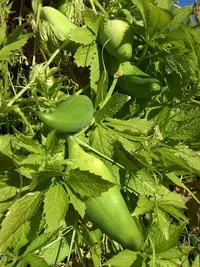
Install short pea sticks or a low mesh around the plants so the fine stems can lean on them, which keeps foliage off wet soil and reduces fungal problems on pods and leaves.

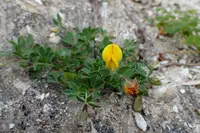
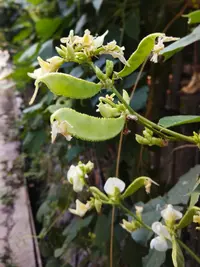
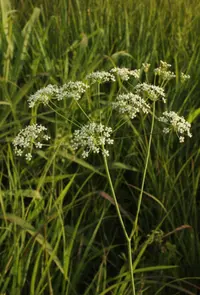
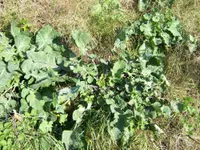
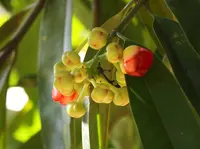
Edible bird's-foot-trefoil (Lotus edulis) is a low, herbaceous legume known for its slender stems, small trifoliate leaves, and yellow, pea-like flowers. It usually forms loose patches rather than dense mats.
This species occurs naturally around the Mediterranean region and nearby areas, often in dry, open habitats and light grassland. As a nitrogen-fixing plant, it tolerates relatively poor soils but dislikes prolonged waterlogging.
Gardeners find it moderately easy to grow if its preference for sun, drainage, and rather lean soil is respected. Understanding how to care for edible bird's-foot-trefoil mainly involves providing bright conditions and avoiding heavy, constantly wet ground.

Care Difficulty
Moderate Care

Light Preference
Full Sun

Water Requirements
Moderate Water

Temperature Preference
Warm Climate

Hardiness Zone
8–11

Soil Texture
Sandy, Loamy

Soil pH
Slightly acidic (6.5–7.0), Neutral (7.0)

Soil Drainage
Well-drained

Fertilization
Minimal (feed rarely)
Scan your plant to receive care tips personalized for your specific plant
Available on iOS and Android
Lotus edulis prefers bright, direct light in open, sunny sites for strong growth and flowering.
Lotus edulis prefers steady, moderate moisture in well-drained soil, without staying soggy.
This species prefers mild, Mediterranean-like conditions and does not tolerate hard freezing.
This Mediterranean legume handles typical indoor humidity but benefits from moderately dry to average air.
Lotus edulis prefers lean, well-drained mineral soil that never stays waterlogged.
This species is suitable for container growing when the pot is prepared for its deep, spreading root system.
Lotus edulis grows in relatively poor soils and only needs light feeding to maintain healthy growth.
Pruning Lotus edulis is simple and mainly helps maintain a tidy, floriferous mound.
This species is more often transplanted in the garden than kept long term in containers.
Lotus edulis is most commonly raised from seed, with simple requirements for germination.
This Mediterranean annual or short-lived perennial usually needs minimal winter care in mild climates.

Plant Health Check
Not sure what's wrong with your plant? Check your plant's health inside the app.
This species behaves as a winter annual in its native Mediterranean range, germinating with autumn rains, growing through the cool season, then flowering and setting seed in spring before summer drought arrives.
The species name edulis means edible and refers to its young seed pods, which have traditionally been eaten in parts of the Mediterranean, although they are minor and local foods rather than a widely cultivated crop.
Lotus edulis often grows on coastal sands, rocky slopes, and calcareous (lime-rich) soils, where it benefits from open, low-competition habitats and good drainage.

Like many legumes, Lotus edulis forms root nodules with nitrogen-fixing bacteria, allowing it to convert atmospheric nitrogen into forms usable by plants and subtly enrich surrounding soils in nutrient-poor Mediterranean habitats.
The young pods and seeds have been used traditionally as a minor wild food, usually cooked rather than eaten raw. Consumption should be moderate, as related Lotus species can contain cyanogenic compounds. Local foraging guidance is recommended before regular use.
Keep your plants happy and healthy with plant identification, disease detection, and easy care guidance.