Root sucker control
Inspect the surrounding soil 2–3 times per year and promptly cut root suckers at or below ground level with a sharp spade to prevent unwanted thickets and keep the tree’s energy focused on the main canopy.

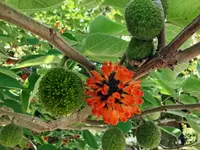
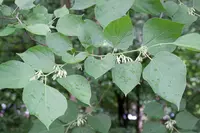
Paper mulberry, Broussonetia papyrifera, is a fast-growing deciduous tree known for its broad, heart-shaped leaves and pale, rough bark. It often forms thickets and can spread quickly by root suckers.
The species is native to East Asia but has naturalized in many warm and temperate regions, including parts of the United States, where it is sometimes considered invasive. It tolerates poor soils, heat, and urban conditions, which makes it easy to establish but harder to contain.
Gardeners who want to care for paper mulberry should understand its vigorous growth and plan for regular pruning or space management. It generally prefers full sun, moderate moisture, and well-drained soil.

Care Difficulty
Easy Care

Light Preference
Full Sun

Water Requirements
Moderate Water

Temperature Preference
Cold Hardy

Hardiness Zone
5–9

Soil Texture
Sandy, Loamy, Clay

Soil pH
Acidic (5.5–6.5), Slightly acidic (6.5–7.0)

Soil Drainage
Well-drained

Fertilization
Minimal (feed rarely)
Scan your plant to receive care tips personalized for your specific plant
Available on iOS and Android
This fast-growing tree prefers bright outdoor exposure with ample daily sun for strong growth.
This species prefers evenly moist, free-draining soil once established in the landscape.
This hardy deciduous tree tolerates a wide range of outdoor temperatures once established.
Humidity is not a major factor for Broussonetia papyrifera, which adapts well to a wide range.
Soil preparation for Broussonetia papyrifera should support fast drainage and strong root anchoring.
This fast-growing tree is generally unsuited to long-term container culture due to size and vigorous roots.
This fast-growing tree usually needs minimal feeding in the ground but benefits from light support in poor soils or containers.
Pruning Broussonetia papyrifera focuses on structure, safety, and controlling its vigorous growth.
This species is usually grown in the ground, so focus on correct transplanting of young trees rather than frequent repotting.
Propagation of Broussonetia papyrifera is straightforward and often vigorous, so plan ahead for potential spread.
Mature trees are quite cold hardy in much of the US and usually need little winter care once established.

Plant Health Check
Not sure what's wrong with your plant? Check your plant's health inside the app.
The inner bark of this tree has long, strong fibers that have been used for centuries across East Asia to make traditional papers, including Japanese washi and early banknotes.
It produces root suckers and readily sprouts from cut stumps, allowing a single tree to form dense thickets that outcompete native vegetation in many regions where it is introduced.
Male and female flowers grow on separate trees, and pollen is carried by wind rather than insects, which can contribute to heavy local pollen loads in urban areas.

Pollen from this species has been identified as a significant seasonal allergen in several Asian and Mediterranean cities, with atmospheric pollen monitoring studies linking its expansion in urban plantings to rising rates of spring respiratory allergies.
This species grows quickly, often 0.6–1.5 m per year in suitable conditions. Growth is fastest in full sun, fertile soil, and consistent moisture, which is why it can become invasive in many regions.
Keep your plants happy and healthy with plant identification, disease detection, and easy care guidance.