Strong central leader
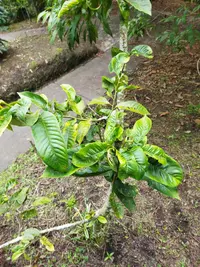
In the first 5–8 years, select and lightly stake one straight central leader and remove competing upright stems to build a stable trunk structure that tolerates storms and heavy branching later.

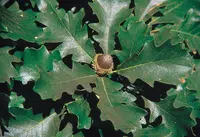
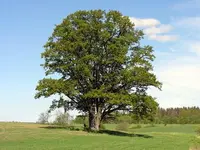
Bur oak, Quercus macrocarpa, is a long-lived deciduous tree native to central and eastern North America. It is commonly found in prairies, savannas, and open woodlands.
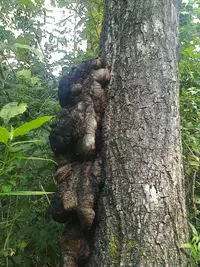
This species develops a massive trunk, broad crown, and thick, corky bark that offers strong protection against fire and harsh weather. Its large, deeply lobed leaves and heavy acorns give it a bold, rugged appearance in the landscape.
Bur oak grows slowly but becomes very robust once established, with high tolerance for cold, wind, and drought. It prefers full sun and well-drained soils, so understanding how to care for bur oak early on helps it adapt and thrive.

Care Difficulty
Moderate Care

Light Preference
Full Sun

Water Requirements
Moderate Water

Temperature Preference
Cold Hardy

Hardiness Zone
3–8

Soil Texture
Sandy, Loamy, Clay

Soil pH
Slightly acidic (6.5–7.0), Neutral (7.0)

Soil Drainage
Moist but well-drained

Fertilization
Minimal (feed rarely)
Scan your plant to receive care tips personalized for your specific plant
Available on iOS and Android
This species develops best in open sites with strong, direct sun from an early age.
Quercus macrocarpa prefers deep, infrequent watering that encourages a strong taproot.
This hardy oak tolerates wide temperature swings but grows fastest in moderate warmth.
This species is highly tolerant of low humidity and generally does not require special air-moisture management outdoors.
Quercus macrocarpa prefers deep, well-structured mineral soils that stay evenly moist yet never waterlogged.
This species is only moderately suitable for large, short-term containers because it develops a deep, extensive root system.
This long-lived oak needs minimal feeding in most soils, focusing on soil health rather than frequent fertilizer use.
Quercus macrocarpa benefits from thoughtful, light pruning to develop a strong, safe structure.
Bur oak is usually field-grown and transplanted when young, as it dislikes frequent disturbance of its deep root system.
This species is propagated almost entirely from seed, since cuttings root poorly and vegetative methods are uncommon for home growers.
This oak is very cold hardy and typically needs little special winter care once established in the landscape.

Plant Health Check
Not sure what's wrong with your plant? Check your plant's health inside the app.
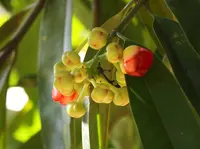
Bur oak produces some of the largest acorns of any North American oak, with a thick, fringed cup that can cover most of the nut. This heavy, shaggy cup helps protect the seed and influences which animals can handle and disperse it.
Young bur oaks develop thick bark and deep roots that allow them to tolerate prairie fires and extended dry periods. This adaptation helped the species persist along historic prairie–forest borders in central North America.
Bur oak acorns and foliage support a wide range of wildlife, including squirrels, wild turkey, deer, and many moth and butterfly larvae. The tree’s broad crown and durable branches also provide long-term nesting and roosting sites for many bird species.

Individual bur oaks can live for several centuries, and some documented trees have surpassed 300 years of age, making them long-lived structural anchors of prairie and savanna landscapes over many human generations.
This species grows slowly to moderately, usually about 30–60 cm per year in good conditions. Growth is faster in deep, well-drained soils and open sun, and slower in compacted, dry, or disturbed sites.
Keep your plants happy and healthy with plant identification, disease detection, and easy care guidance.