Mulch Root Zone
Apply a 5–8 cm layer of shredded bark or leaf mold over the root zone each spring, keeping it 5–8 cm away from the trunk, to buffer soil temperature, conserve moisture, and protect the shallow feeder roots.

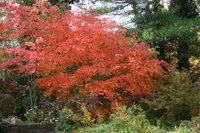
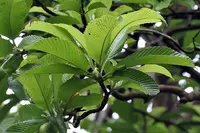
Fullmoon maple, Acer japonicum, is a small deciduous tree or large shrub valued for its rounded crown and broad, almost circular leaves. It is closely related to the Japanese maple but usually has larger leaves and a fuller, softer outline. Native to woodlands in Japan and parts of Korea, it prefers cool, temperate climates with some protection from harsh conditions. The foliage often shows rich autumn color, which is one of its main ornamental features. It is considered moderately easy to grow when provided with partial shade, consistent moisture, and well-drained, humus-rich soil, and this understanding is key to how to care for Fullmoon Maple.

Care Difficulty
Moderate Care

Light Preference
Partial Shade

Water Requirements
Regular Water

Temperature Preference
Cold Hardy

Hardiness Zone
5–7

Soil Texture
Loamy, Sandy, Organic-rich

Soil pH
Acidic (5.5–6.5), Slightly acidic (6.5–7.0)

Soil Drainage
Moist but well-drained

Fertilization
Minimal (feed rarely)
Scan your plant to receive care tips personalized for your specific plant
Available on iOS and Android
Acer japonicum grows best in bright, gentle light that protects foliage from harsh midday sun.
This maple prefers evenly moist, cool soil that never stays saturated for long periods.
This species is a cool-temperate tree that handles cold winters but dislikes extreme heat.
This maple prefers moderate ambient humidity but usually adapts to typical outdoor levels in temperate gardens.
This species grows best in cool, moist, aerated soil that neither stays waterlogged nor dries out rapidly.
This maple can adapt to container culture if the pot and setup control moisture and provide stable support.
Acer japonicum benefits from modest, targeted feeding rather than heavy fertilization.
Pruning Acer japonicum is mainly about maintaining structure and removing problem wood, not frequent reshaping.
This maple is usually grown in the ground, so focus on careful transplanting rather than frequent repotting.
Acer japonicum is most often propagated by seed or grafting, with layering and cuttings used less commonly.
This species is generally cold hardy in much of the US but benefits from some root-zone protection in severe winters.

Plant Health Check
Not sure what's wrong with your plant? Check your plant's health inside the app.
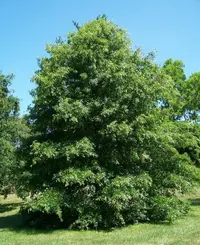
In its native habitat, this species typically forms a broad, dome-shaped crown with layered branches, creating a distinctive full-moon silhouette that inspired its common name, fullmoon maple.
Although wild-type leaves are only moderately lobed, many horticultural selections have extremely dissected foliage, showing the wide genetic variability within this single species used by breeders for ornamental traits.
This maple is naturally distributed in cool, mountainous forests of Japan, where it has adapted to tolerate cold winters better than many related ornamental maples, making it suitable for temperate climates with freezing conditions.

Historical records from Japanese horticulture show that selected forms of Acer japonicum, such as the well-known cultivar 'Aconitifolium', have been cultivated and admired in temple and garden landscapes for their intense, multicolored autumn foliage for more than a century.
Yellowing leaves usually indicate root stress, often from poor drainage, waterlogged soil, or compacted roots. Nutrient deficiencies, especially nitrogen or iron, can also cause chlorosis. Check drainage, adjust watering, and consider a soil test before fertilizing.
Keep your plants happy and healthy with plant identification, disease detection, and easy care guidance.