Encourage Single Leader
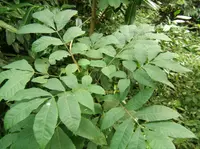
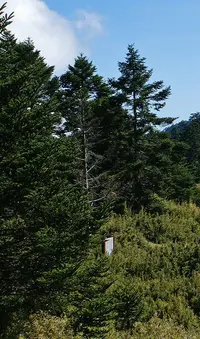
In the first 2–3 years, select the strongest upright stem as the main leader and lightly remove competing vertical shoots to develop a stable central trunk and reduce future storm damage.

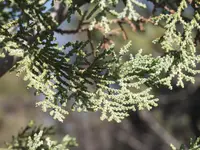
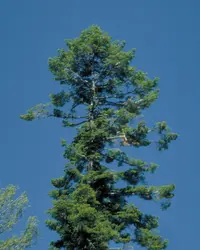
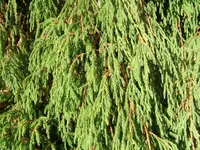
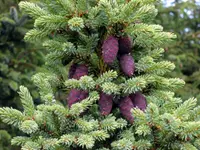
MacNab cypress (Hesperocyparis macnabiana) is a small, aromatic conifer native to dry, rocky slopes and chaparral in northern California. It usually forms a rounded to irregular shrub or small tree with dense, fine foliage. Leaves are scale-like and gray-green, often releasing a resinous scent when rubbed, and the plant carries small woody cones that persist on the branches. This species is adapted to poor, well-drained soils and seasonal drought, which shapes how to care for MacNab cypress in cultivation. It suits exposed, sunny sites and low-water landscapes, but does not thrive in humid, poorly drained, or heavily shaded conditions.

Care Difficulty
Moderate Care

Light Preference
Full Sun

Water Requirements
Low Water

Temperature Preference
Cold Hardy

Hardiness Zone
6–9

Soil Texture
Sandy, Loamy, Rocky

Soil pH
Slightly acidic (6.5–7.0), Slightly alkaline (7.0–7.5)

Soil Drainage
Well-drained

Fertilization
Minimal (feed rarely)
Scan your plant to receive care tips personalized for your specific plant
Available on iOS and Android
This sun-loving conifer thrives in bright, open sites with long daily exposure.
This species prefers dry, well-drained conditions and is sensitive to excess moisture.
This hardy conifer is adapted to regions with warm, dry summers and cool to cold winters.
This species tolerates low humidity and rarely needs special humidity management in typical outdoor conditions.
Hesperocyparis macnabiana prefers lean, fast-draining mineral soils similar to its native rocky slopes.
This species can be grown in containers short- to medium-term if the potting setup controls moisture and supports the woody root system.
This drought-adapted conifer needs only light feeding, so focus on soil health rather than frequent fertilizer for MacNab cypress.
Hesperocyparis macnabiana benefits from modest structural pruning to maintain a stable, natural form.
This species is usually grown in the ground, so focus on careful transplanting rather than frequent container repotting.
New plants are commonly raised from seed, while semi-hardwood cuttings of Hesperocyparis macnabiana are possible but slower to root.
This species is generally cold hardy in suitable climates and usually needs minimal winter attention.

Plant Health Check
Not sure what's wrong with your plant? Check your plant's health inside the app.
This species often grows on nutrient-poor serpentine soils in California, tolerating high levels of heavy metals that limit many other plants.
Its woody seed cones are serotinous, meaning many remain closed until exposed to the heat of wildfire, which then triggers mass seed release onto freshly cleared soil.
It forms scattered, small woodlands and stands in the inner Coast Ranges and Sierra Nevada foothills of California, rather than broad continuous forests.

MacNab cypress is one of the few native California conifers that can form almost pure, low woodland stands on harsh sites, creating distinctive gray-green patches visible on aerial and satellite images due to its dense, rounded canopy pattern.
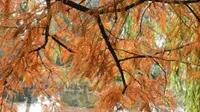
This species is a true evergreen conifer. It keeps foliage year-round rather than dropping leaves in autumn. Older interior sprays may shed gradually, but the plant maintains green coverage and structure through all seasons in suitable climates.
Keep your plants happy and healthy with plant identification, disease detection, and easy care guidance.