elephant apple Care (Dillenia indica)

Also known as: chulta
elephant apple

About elephant apple

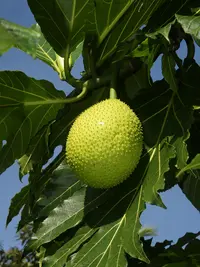
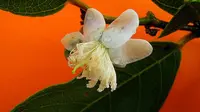
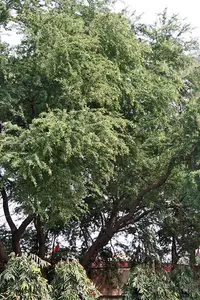
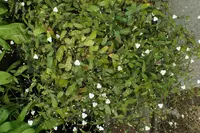
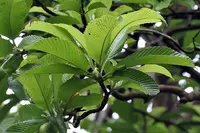
Elephant apple, Dillenia indica, is a tropical evergreen tree known for its large glossy leaves, showy white flowers, and distinctive round, segmented fruits. It naturally occurs in humid forests of South and Southeast Asia, where it grows as a medium to large canopy tree.

The plant has a strong architectural form and needs space as it matures, which makes it more suitable for larger gardens in warm climates. Its preference for consistently moist, well-drained soil and high humidity can make care for elephant apple more demanding in dry or cool regions.

In general, it grows best in warm, frost-free conditions with good light, sheltered from strong, drying winds.

Main Plant Requirements

Care Difficulty

Moderate Care

Light Preference

Full Sun

Water Requirements

Regular Water

Temperature Preference

Tropical / Frost Sensitive

Hardiness Zone

10–12

Soil Texture

Loamy, Sandy, Organic-rich

Soil pH

Acidic (5.5–6.5), Slightly acidic (6.5–7.0)

Soil Drainage

Moist but well-drained

Fertilization

Minimal (feed rarely)

Get Personalized Care Plan

Scan your plant to receive care tips personalized for your specific plant

Available on iOS and Android

How to Care for the elephant apple

This tropical tree needs strong light to build dense foliage and flower well outdoors in warm climates.

  • Provide 6–8 hours of direct sun daily, with preference for gentle morning sun and some protection from harsh midafternoon rays in very hot regions.
  • Tolerates light partial shade, especially in the afternoon, but dense shade reduces flowering and leads to sparse, leggy growth in elephant apple.
  • In cooler seasons, choose the brightest, least shaded site; in hot summers, use neighboring trees or structures to cast dappled shade during the hottest hours.

This species prefers consistently moist but not waterlogged soil, especially in warm, rainy climates.

  • Aim for soil that feels evenly moist; allow only the top 2–3 cm to dry slightly between deep waterings rather than frequent shallow splashes.
  • Use soil with good structure and drainage so water soaks in within a few minutes and does not stand around the trunk or in planting basins.
  • In cool or rainy seasons, reduce watering to avoid soggy conditions, watching for yellowing leaves and soft stems as overwatering signs, or dull, curling leaves as underwatering signs in Dillenia indica.

This tropical tree grows best in consistently warm, frost-free conditions.

  • Optimal growth occurs at 70–86°F (21–30°C), with steady warmth supporting active shoot and root development through the growing season.
  • The tree is highly frost sensitive; short exposure below 40°F (4°C) can damage foliage, and temperatures of 32°F (0°C) or lower may kill young plants.
  • Mature trees tolerate brief heat up to about 95°F (35°C) if soil moisture is maintained, but prolonged extreme heat with dry soil can cause leaf scorch and reduced flowering.

This species prefers moderately humid air and benefits from stable moisture around the foliage in warm climates.

  • Aim for 50–70% humidity, which mimics the moist lowland habitats where elephant apple naturally occurs.
  • Tolerates brief drops to 35–40% humidity but prolonged dry air can crisp leaf edges and slow new growth.
  • If air is dry, group plants, use a nearby humidifier, or place containers over a pebble tray with water kept below the pot base.

This tree prefers deep, moist, well‑aerated soil that stays evenly damp but not waterlogged.

  • Use a loamy mix with 40–60% organic matter, such as composted bark and leaf mold, to support sustained moisture and nutrient availability for Dillenia indica.
  • Ensure drainage by blending coarse sand or fine gravel with the organic base so water moves through while roots remain evenly moist.
  • Target a slightly acidic to neutral pH around 6.0–7.0, avoiding strongly alkaline soils that can lock up key nutrients like iron and manganese.
  • Avoid heavy, compacted clay or mixes dominated by fine peat that stay saturated, and improve aeration by incorporating chunky materials that create stable air pockets.

This species can be grown in large containers when kept as a small tree or juvenile specimen outdoors in warm climates.

  • Choose a wide, heavy container that resists tipping, as the woody canopy becomes top‑heavy in wind or rain.
  • Select thick‑walled clay or concrete pots if extra evaporation is needed to prevent prolonged saturation around the root zone.
  • Use a deep pot that allows a strong taproot and lateral roots to extend downward rather than coil tightly near the surface.

Dillenia indica benefits from light, balanced feeding when grown in managed landscapes or containers.

  • Use a balanced granular or slow-release fertilizer (around 10-10-10) or well-rotted compost in spring as new growth starts.
  • Apply fertilizer every 6–8 weeks during the warm growing season for young or container-grown elephant apple.
  • Reduce or stop feeding in late fall and winter when growth slows.
  • Use fertilizers at half the label rate on container plants to limit salt buildup and root burn.

Dillenia indica responds well to light structural pruning that maintains a strong framework and safe size.

  • Carry out main pruning at the end of the dry or cool season, just before active growth resumes.
  • Remove dead, diseased, crossing, or storm-damaged branches with clean, sharp bypass pruners or a pruning saw.
  • Thin crowded inner branches to improve light penetration and airflow, helping reduce fungal problems.
  • Limit cuts to moderate-sized branches to preserve natural form and flowering wood.

This tree is usually grown in the ground, so focus on careful transplanting of young plants rather than frequent repotting.

  • Transplant when roots just fill the pot or when growth slows and roots circle the container base and sides.
  • Choose late spring or early summer for moving Dillenia indica, when soil is warm and recovery is fastest.
  • Dig a wide planting hole, keep the root ball intact, and set it at the same soil level as before.
  • Water thoroughly after planting and keep soil evenly moist for several weeks to reduce transplant shock.

Dillenia indica is most often raised from seed, with vegetative methods used less commonly in home settings.

  • Collect ripe seeds, clean off pulp, and sow fresh in a free-draining, slightly acidic seed mix.
  • Sow in warm conditions around 75–85°F with bright, indirect light to support steady germination.
  • Keep the medium consistently moist but not waterlogged, using a clear cover to maintain humidity if needed.
  • Transplant seedlings once they have several true leaves, handling roots gently to limit damage.

This tropical tree is frost-tender and needs protection in regions with cool or freezing winters.

  • In USDA zones cooler than 10–11, grow in large containers and move indoors or to a heated greenhouse before frost.
  • Maintain indoor temperatures above 55°F and provide bright light to reduce leaf drop.
  • For in-ground plants in marginal climates, apply a 5–8 cm mulch layer over the root zone for insulation.
  • Avoid waterlogged soil in winter, as cold, saturated conditions greatly increase root stress and rot risk.

Care Tips

Early framework training

During the first 3–4 years, select 3–5 strong scaffold branches and remove steep, crossing, or low branches to build a stable, open framework that supports heavy fruit without splitting.

Fruit load management

If branches bend under fruit weight, thin clustered young fruits so that each medium branch carries only a few, and use soft ties or props to prevent breakage before storms or strong winds.

Mulch for root cooling

Apply a 5–8 cm layer of coarse organic mulch around, but not touching, the trunk to keep roots cool, reduce soil compaction from heavy rains, and limit weed competition.

Wind and cyclone preparation

In windy or cyclone‑prone areas, install sturdy windbreaks or plant on the leeward side of buildings, and prune long, whippy shoots before storm season to reduce branch tearing.

Sanitary ground management

Remove dropped fruits and leaves promptly and dispose of them away from the planting area to reduce fungal disease pressure and discourage rodents when growing elephant apple.

Common Pests and Diseases

Fruit borer

This pest tunnels into developing fruits, causing premature drop, internal feeding damage, and contamination with frass. Symptoms include small entry holes on the fruit surface and browned, decaying pulp inside.

Solution

Collect and destroy infested and fallen fruits regularly to break the life cycle, and prune to keep the canopy open for better monitoring. Where pressure is high, use fruit bagging or fine mesh netting on young fruits and apply targeted Bacillus thuringiensis (Bt) or neem-based sprays to young larvae according to local label directions.

Leaf miner

These insects live and feed inside the leaf tissue, leaving winding, pale trails that reduce the photosynthetic area. In heavy infestations, young leaves become distorted and may drop early.

Solution

Remove and dispose of mined leaves as soon as they are noticed to reduce larval numbers. Encourage natural predators, avoid broad-spectrum insecticides, and if needed use a systemic insecticide or neem-based spray directed at young flushes when new leaves are expanding.

Scale insects

This pest attaches firmly to twigs, leaves, and young stems and sucks sap, leading to yellowing foliage and reduced vigor. Honeydew excreted on plant surfaces encourages sooty mold growth, making leaves appear blackened and dirty.

Solution

Wipe or gently scrub infested areas with a soft cloth or brush dipped in mild soapy water or horticultural oil, repeating as needed. For larger trees, apply horticultural oil sprays that thoroughly coat branches and the underside of leaves, and prune heavily infested twigs to improve air movement and light penetration.

Anthracnose

This disease causes irregular brown to black lesions on leaves and young shoots, sometimes with a distinct margin, leading to leaf distortion and early leaf fall. In humid conditions, affected areas may coalesce, giving a scorched appearance to foliage tips and edges.

Solution

Prune and dispose of diseased leaves and twigs, and thin the canopy to improve airflow and reduce leaf wetness duration. During extended wet periods in areas where anthracnose is common, use preventive copper or other registered fungicide sprays on new flushes according to label instructions, and avoid overhead irrigation on smaller or young plants.

Leaf spot

Symptoms include small, circular to irregular spots on leaves that start as pale or water-soaked areas and turn brown, often with a yellow halo. Severe spotting can cause partial defoliation and reduce fruiting in stressed trees.

Solution

Rake and discard fallen leaves, avoid wetting foliage late in the day, and maintain balanced nutrition to support recovery. In locations with recurrent issues, apply a protective fungicide at the start of the rainy season and repeat as directed, focusing on young, expanding leaves as part of comprehensive Dillenia indica care.

Interesting Facts

Specialized fruit dispersal

The large, segmented fruits are primarily dispersed by large mammals such as elephants and deer, which eat the fleshy carpels and help spread the seeds in tropical forests of South and Southeast Asia.

Night-opening flowers

The tree produces large, white, bowl-shaped flowers that typically open in the evening or at night and often attract beetles and other nocturnal visitors as pollinators.

Acidic culinary pulp

The sour, aromatic pulp of the ripe fruit is widely used in parts of India and Southeast Asia as a natural souring agent in curries, chutneys, and preserves due to its high organic acid content.

Botan icon

Did you know?

Genetic and morphological studies suggest that Dillenia indica represents a relatively ancient lineage within the small family Dilleniaceae, preserving several primitive flower traits such as numerous free stamens and separate carpels that offer insight into early flowering plant evolution.

FAQs about elephant apple

The fruit is edible and widely used in chutneys, curries, and beverages. It is very sour when raw and usually cooked with sugar or spices. Seeds are generally discarded, and only the fleshy segments are used.

Grow Healthy Plants with Botan Care

Keep your plants happy and healthy with plant identification, disease detection, and easy care guidance.

Botan plant care app — identify plants on mobile

Explore More Plants