hemlock varnish shelf Care (Ganoderma tsugae)

hemlock varnish shelf

About hemlock varnish shelf

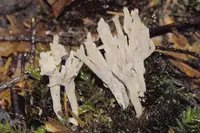
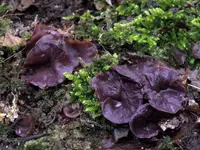
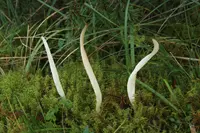
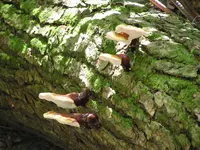
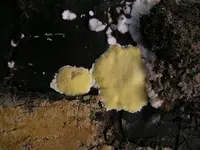
Hemlock varnish shelf, Ganoderma tsugae, is a shelf-forming polypore fungus rather than a traditional leafy plant. It grows as layered, fan-shaped brackets with a shiny, varnished surface in reddish to orange-brown tones. The underside is pale with fine pores instead of gills.

This species typically appears on dead or dying conifers, especially hemlock, in cool temperate forests of eastern North America. It relies on decaying wood, so it is not easily grown in standard garden soil.

Those wanting to care for hemlock varnish shelf must provide stable moisture, shaded conditions, and suitable wood substrate, which makes cultivation more specialized than most common houseplants.

Main Plant Requirements

Care Difficulty

Hard Care

Light Preference

Shade

Water Requirements

Keep Soil Moist

Temperature Preference

Cool Climate

Hardiness Zone

3–7

Soil Texture

Loamy, Silty, Organic-rich

Soil pH

Strongly acidic (4.5–5.5), Acidic (5.5–6.5)

Soil Drainage

Moist but well-drained

Fertilization

Minimal (feed rarely)

Get Personalized Care Plan

Scan your plant to receive care tips personalized for your specific plant

Available on iOS and Android

How to Care for the hemlock varnish shelf

This wood-decay fungus thrives in cool, shaded forest conditions with only brief periods of direct sun.

  • Aim for bright shade or dappled forest light, with at most 1–2 hours of weak morning sun and no harsh afternoon sun on the fruiting bodies.
  • Provide conditions similar to a north-facing woodland edge, where surrounding trees filter light to mimic natural hemlock varnish shelf habitats.
  • Protect from intense summer sun, which can dry and crack caps; slightly deeper shade is helpful during late spring–summer fruiting.

This species prefers consistently moist, not saturated, wood and surrounding soil.

  • Maintain evenly moist conditions around host logs or stumps; surface soil should feel slightly damp to the touch, never dusty dry or soupy.
  • In dry periods, moisten the substrate when the top 2–3 cm feel dry, allowing excess water to drain away to avoid stagnant pockets around Ganoderma tsugae.
  • Watch for pale, shrunken margins as a sign of dryness and dark, slimy patches as an indicator of prolonged excess moisture.

This fungus develops best in cool to mild conditions typical of temperate conifer forests.

  • Optimal fruiting occurs around 55–75°F (13–24°C), with slow but possible development from about 45–80°F (7–27°C).
  • It tolerates cold down to near freezing, but repeated dips below 32°F (0°C) can damage developing fruiting bodies, especially when combined with wind.
  • In hot spells above 80°F (27°C), provide extra shade and moisture buffering, as sustained heat and drying winds can halt growth and desiccate tissues.

This fungus needs consistently moist, high-humidity conditions to form healthy fruiting bodies.

  • Target 70–90% humidity around the substrate, similar to a damp forest understory where hemlock varnish shelf naturally develops.
  • In dry air, caps may crack, edges dry and curl, and growth may stall or become misshapen.
  • Increase humidity with a humidification tent, regular fine misting of the air (not soaking caps), and damp perlite trays near the growing area.

Ganoderma tsugae grows best on woody, organic-rich substrates rather than standard potting soil.

  • Use a substrate based on hardwood or conifer sawdust, chipped logs, or a mix of sawdust and coarse bark with minimal fine soil content.
  • Ensure very free drainage so excess water runs off while the substrate remains evenly moist, avoiding standing water around the inoculated material.
  • Keep pH slightly acidic to neutral, around 5.5–7.0, by using unlimed wood-based materials and avoiding alkaline amendments.
  • Improve aeration by mixing in coarse wood chips or straw so air can move through the substrate and the mycelium does not suffocate.

This species can be grown in containers if the setup mimics a ventilated, moist log or sawdust block environment.

  • Choose a deep, sturdy tub or bag that can hold a solid block of colonized substrate without collapsing or tipping as fruiting bodies form.
  • Provide small filtered air holes or a loose-fitting lid so the container retains moisture but still allows gas exchange around the developing mushrooms.
  • Elevate the container on slats or bricks so any drainage holes stay clear and excess moisture can escape without pooling underneath the substrate.

Ganoderma tsugae typically grows on nutrient-rich conifer wood and usually needs no added fertilizer when established outdoors.

  • For cultivated hemlock varnish shelf on logs or sawdust, mix in well-aged compost before inoculation rather than feeding later.
  • If using a liquid balanced NPK around 10-10-10, apply at 1/4 strength only to nutrient-poor substrates during active growth.
  • Avoid fertilizing during winter or when growth and spore production have clearly slowed.
  • Excess fertilizer can disturb substrate microflora, so monitor for mold or off-odors and reduce feeding if they appear.

Pruning for Ganoderma tsugae is minimal and mainly related to hygiene and spore management rather than shaping.

  • Harvest fruiting bodies with a clean, sharp knife when caps are firm and edges are slightly pale.
  • Remove damaged, diseased, or overmature brackets to limit unwanted spore load and decay on cultivation logs.
  • Cut close to the wood without gouging the substrate to reduce entry points for competing fungi.
  • Discard heavily infested or moldy tissue away from the grow area to reduce contamination pressure.

Ganoderma tsugae is usually managed by renewing logs or substrate rather than traditional repotting.

  • Transplant or move colonized logs when fruiting declines, surfaces crack deeply, or production shifts to very small brackets.
  • Best timing is late spring to early summer, allowing the mycelium to recover quickly in warm, stable conditions.
  • Shift logs or blocks gently to a new shaded, humid site, minimizing impact shocks that can disrupt internal mycelium.
  • Maintain moisture with careful watering or misting after moving, avoiding waterlogging that could suffocate roots and fungal tissue.

Propagation of Ganoderma tsugae is commonly done through spawn on logs or sawdust substrates rather than by seed-like spores alone.

  • Use grain or sawdust spawn from a reputable lab as the starting material for new logs or blocks.
  • Inoculate fresh, healthy hemlock or other suitable conifer logs in spring to early summer for reliable colonization.
  • Drill holes, insert spawn, and seal with wax to maintain moisture and exclude competing fungi.
  • Keep inoculated material in shaded, humid conditions with good airflow until white mycelium is visible at cut ends.

Outdoor Ganoderma tsugae on hardy conifer logs tolerates typical temperate winters with little intervention.

  • Ensure logs are not in standing water or ice, which can cause bark splitting and reduce future fruiting.
  • Apply a light mulch or leaf cover around log bases in very exposed sites to moderate freeze–thaw cycles.
  • For container-style sawdust blocks, move into an unheated but frost-free shed or garage to avoid deep freezing.

Care Tips

Use fresh logs

Harvest fresh, healthy eastern hemlock or related conifer logs within 2–4 weeks of felling, as older, partially decomposed wood often carries competing fungi that outcompete this species.

Debark selectively

Strip only the top and upper side bark where you will drill and inoculate, leaving the shaded underside bark intact to reduce moisture loss while still giving the mycelium good entry points.

Staggered log placement

Stack inoculated logs off the ground on pallets or rails in a crib or lean-to pattern, so air can move between them while the ends remain close enough to retain moisture.

Moisture monitoring routine

Lift a log periodically and check weight and cut-surface color; if it feels significantly lighter and looks pale or checks (small cracks) appear, soak or heavily hose the logs to restore moisture.

Shade and airflow balance

Site production logs in 70–90% shade with open lateral airflow, such as the north side of a building or under high tree canopy, to limit overheating and mold while still keeping the wood surface cool and moist when caring for hemlock varnish shelf.

Common Pests and Diseases

Competing wood-decay fungi

This disease involves other decay fungi colonizing the same conifer logs or stumps and outcompeting the hemlock varnish shelf for wood resources. Symptoms include weak or misshapen brackets, patchy distribution, and presence of other fungal fruiting bodies on the same substrate.

Solution

Remove and discard sections of wood heavily colonized by competing fungi and select fresh, sound hemlock or related conifer logs for cultivation. Maintain consistent moisture without waterlogging and keep inoculated logs in a shaded, ventilated area to favor stable colonization when growing hemlock varnish shelf.

Fungus gnats

These insects lay eggs in damp, organic substrates and the larvae feed on mycelium and young fruiting bodies. Symptoms include slowed mycelial growth, surface tunneling in developing brackets, and small black flies hovering near the substrate.

Solution

Allow the surface of cultivation blocks or trays to dry slightly between mistings while keeping internal moisture stable, and improve airflow to discourage adult gnats. Sticky traps help reduce adult numbers, and a biological control such as Bacillus thuringiensis israelensis (Bti) can be used in moist substrates if populations become high.

Mite infestations

These pests may appear in high-humidity mushroom cultivation setups and feed on spores or tender tissue of young brackets. Symptoms include pale or roughened pore surfaces, tiny moving specks on the underside of brackets, and reduced or distorted growth.

Solution

Lower humidity slightly while preserving adequate moisture for the fungus, and increase air circulation to make conditions less favorable for mites. Remove and dispose of heavily infested fruiting bodies, clean nearby surfaces, and if needed, introduce predatory mites compatible with mushroom production rather than using chemical miticides.

Bacterial blotch

This disease develops on moist fruiting surfaces when free water remains for long periods, especially in stagnant air. Symptoms include slimy, water-soaked, or darkened patches on the cap surface that may develop an unpleasant odor.

Solution

Reduce overhead watering, avoid prolonged water film on brackets, and increase ventilation around fruiting bodies. Remove and discard affected tissue and adjust irrigation so that surfaces dry within a few hours after misting while humidity in the growing area remains moderately high.

Interesting Facts

Hemlock specialist

This bracket fungus grows almost exclusively on living or recently dead eastern hemlock and a few other conifers, which makes it a useful indicator of hemlock decline in North American forests.

Cool-season fruiting

In the northeastern US it typically produces its conspicuous red‑to‑varnished orange shelves in late spring to early summer, earlier in the year than the related reishi species that fruit in warmer months.

Color-shifting surface

Young caps are often bright yellow to orange and become darker and more lacquered-looking with age, while the pore surface bruises brown when handled due to oxidation of pigments in the tissues.

Botan icon

Did you know?

Ganoderma tsugae is one of the few large wood-decay fungi that can be relatively reliably identified in the field by its strict preference for hemlock hosts combined with its early-season fruiting pattern, so forest ecologists often use it as a natural marker when surveying hemlock stands.

FAQs about hemlock varnish shelf

The fruiting body is considered a medicinal, not culinary, mushroom. It is very tough, woody, and not eaten as food. Instead, it is usually dried and simmered to make teas, tinctures, or extracts.

Grow Healthy Plants with Botan Care

Keep your plants happy and healthy with plant identification, disease detection, and easy care guidance.

Botan plant care app — identify plants on mobile

Explore More Plants