alpine spicywintergreen Care (Gaultheria humifusa)

Also known as: alpine wintergreen, matted wintergreen, western wintergreen
alpine spicywintergreen

About alpine spicywintergreen

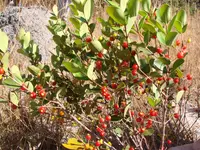
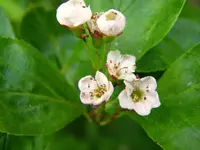
Alpine spicywintergreen, Gaultheria humifusa, is a low, creeping evergreen shrub that forms dense mats close to the ground. It usually has small, glossy leaves and produces delicate bell-shaped flowers followed by red berries.

This species is native to high mountain regions of western North America, where it grows in rocky slopes, tundra edges, and open coniferous forests. Its natural habitat is cool, moist, and well-drained, which shapes how to care for alpine spicywintergreen in gardens.

The plant is slow-growing but generally tough once established, as long as it receives consistent moisture and protection from hot, direct sun. It does best in acidic, humus-rich soil that stays cool and never completely dries out.

Main Plant Requirements

Care Difficulty

Hard Care

Light Preference

Partial Shade

Water Requirements

Keep Soil Moist

Temperature Preference

Cold Hardy

Hardiness Zone

4–8

Soil Texture

Sandy, Loamy, Rocky

Soil pH

Strongly acidic (4.5–5.5), Acidic (5.5–6.5)

Soil Drainage

Moist but well-drained

Fertilization

Minimal (feed rarely)

Get Personalized Care Plan

Scan your plant to receive care tips personalized for your specific plant

Available on iOS and Android

How to Care for the alpine spicywintergreen

Gaultheria humifusa is a low, mat-forming subalpine shrub that prefers cool, bright conditions without harsh exposure.

  • Provide 3–5 hours of gentle morning sun with light shade or dappled light the rest of the day, especially in warmer lowland gardens.
  • In hot climates, protect alpine spicywintergreen from strong midday and afternoon sun to prevent leaf scorch and excessive drying of the root zone.
  • In cooler or high-elevation sites, it tolerates more direct sun, but monitor foliage; pale, sparse growth suggests too little light, while crisped edges indicate too much.

This subalpine groundcover prefers consistently moist, cool soil but reacts poorly to both drought and waterlogging.

  • Water when the top 2–3 cm of soil feels slightly dry, aiming for evenly moist soil around the shallow roots rather than saturation.
  • Ensure sharply drained, humus-rich soil; puddling for longer than 30–40 minutes after watering indicates poor drainage and higher risk of root rot.
  • In hot, dry spells, increase monitoring rather than fixed schedules; wilting, dull leaves suggest underwatering, while yellowing, soft foliage often signals excess moisture.

This species is adapted to cool mountain conditions and handles substantial cold but dislikes prolonged heat combined with drought.

  • Ideal growing temperatures are 50–70°F (10–21°C), with steady cool conditions supporting dense foliage and reliable berry set.
  • Plants tolerate winter cold down to about -20°F (-29°C) under snow cover, but repeated freeze–thaw without snow can damage roots and stems.
  • In summer, prolonged exposure above 80–85°F (27–29°C) can stress plants; provide mulch and light shade to keep the root zone cool and reduce heat stress.

This alpine groundcover prefers cool, moderately moist air but usually copes with typical household humidity.

  • Aim for 40–60% humidity; brief drops lower are tolerated if soil moisture is consistent.
  • Dry air may cause slight leaf edge browning and slower new growth, especially in heated rooms.
  • If alpine spicywintergreen looks stressed, group plants, place on a pebble tray with water below the pot base, or run a nearby humidifier.

This species needs loose, acidic, well-drained soil that mimics a cool, humus-rich forest floor.

  • Use a mix of 50–60% fine pine bark or peat, 20–30% coarse sand, and 10–20% perlite for structure and drainage.
  • Target a pH around 4.5–5.5, as Gaultheria humifusa struggles in alkaline or even neutral soils.
  • Keep texture friable, not compacted, so roots receive both air and moisture without waterlogging.
  • Avoid heavy clay, unamended garden soil, or mixes with lime, which reduce aeration and raise pH.

This low, spreading species can be grown in containers if moisture, acidity, and drainage are carefully managed.

  • Choose a wide, shallow pot to match its mat-forming root system and encourage lateral spreading rather than depth.
  • Select a frost-resistant, heavier container outdoors to stabilize the plant and prevent tipping as stems spread over the rim.
  • Elevate the pot slightly on feet or pot risers so drainage holes stay clear and excess water leaves the root zone quickly.

Gaultheria humifusa is a low-feeding alpine species that benefits from light nutrition in containers or poor soils.

  • Use a balanced, slow-release fertilizer (for example 10-10-10) or a thin layer of compost in early spring.
  • Feed lightly every 6–8 weeks during the growing season if container-grown, skipping years in rich garden soil.
  • Apply at half the label strength to avoid root burn and maintain compact growth.
  • Stop feeding in late summer so alpine spicywintergreen can harden off before winter dormancy.

Pruning needs for Gaultheria humifusa are minimal and focus on light cleanup rather than shaping.

  • Carry out any pruning in late winter or just after flowering to avoid removing buds.
  • Use clean, sharp hand pruners or scissors to cut out dead, diseased, or storm-damaged stems at the base.
  • Thin crowded or tangled sections lightly to improve air flow and keep the mat low and even.
  • Avoid heavy cutting; removing only the top 10–20% preserves natural groundcover form and berry display.

This species is more often transplanted in the landscape than repotted, as it forms a shallow, spreading root system.

  • Transplant in early spring or early fall when temperatures are cool and soil moisture is stable.
  • Look for signs such as roots circling the pot, water running off quickly, or slowed growth in containers.
  • Shift to a wide, shallow container or new bed with acidic, well-drained soil every 2–3 years if container-grown.
  • Water thoroughly before and after moving, keep roots shaded, and maintain even moisture for several weeks to reduce stress.

Gaultheria humifusa is commonly propagated on a small scale through division, layering, and semi-ripe cuttings.

  • Lift and divide small sections of rooted stems in early spring, replanting them immediately into acidic, moist, well-drained soil.
  • Use simple layering in spring or summer by pegging flexible stems to the soil until they root, then severing from the parent.
  • Take semi-ripe cuttings in midsummer, using a rooting hormone and high humidity under bright, indirect light.
  • Sow fresh seed in autumn in a cool frame; germination is slow and benefits from natural winter chilling.

This alpine groundcover is quite cold hardy and usually needs only modest winter attention in the garden.

  • Tolerates typical frosts in cold climates when planted in the ground with good drainage.
  • Apply a 3–5 cm layer of bark or leaf mulch around, not on top of, the crowns to insulate roots.
  • In areas with freeze–thaw cycles, ensure soil drains well to prevent root rot under snow or ice.
  • Move container plants to a sheltered, unheated spot, keeping soil just barely moist through winter.

Care Tips

Mulch For Cooling

Apply a 2–3 cm layer of fine bark or conifer needle mulch around the plant crown to keep the shallow roots cool, suppress weeds, and stabilize soil moisture without burying the stems.

Alpine Drainage Layer

In rock gardens or troughs, build a coarse gravel layer under the planting pocket so excess water can move away quickly, which mimics its natural scree habitat and reduces root rot risk.

Snow And Frost Management

Allow natural snow cover to insulate plants in winter but brush off heavy, wet snow or ice crusts that can snap stems or compact the mat, especially near paths or roofs.

Berry And Runner Renewal

After berrying, lightly thin out any dead or overly woody stems and allow new runners to root into adjacent gritty soil patches to keep the mat dense and productive.

Companion Plant Spacing

Plant only low, shallow-rooted alpine companions nearby and leave 10–15 cm of open, well-drained surface so the mat can spread without being shaded or crowded, which is essential for growing alpine spicywintergreen successfully.

Common Pests and Diseases

Leaf spot

This disease causes small brown to purplish spots on leaves that may merge, leading to premature leaf drop, especially in cool, wet conditions. Symptoms include more damage on older, lower foliage where moisture lingers longer.

Solution

Remove and discard affected leaves to reduce inoculum, and avoid overhead watering so foliage dries quickly. Improve air circulation around plants, limit dense mulch directly against stems, and if wet weather persists, a copper-based fungicide labeled for ornamentals can be used according to instructions.

Powdery mildew

This disease produces a white to gray, powdery coating on upper leaf surfaces, which can lead to leaf distortion and reduced vigor. Symptoms include increased incidence in shaded, crowded plantings with poor air movement.

Solution

Prune or thin surrounding vegetation to increase light and airflow, and water at the soil level rather than on the foliage. Remove heavily infected leaves and, in recurrent cases, use a low-impact fungicide such as horticultural oil or potassium bicarbonate when conditions first favor disease development.

Phytophthora crown blight

This disease affects the crown and lower stems, causing wilting, reddening, and collapse of shoots, often in poorly drained or chronically wet soils. Symptoms include plants that brown and die back from the base while roots and crowns show dark, water-soaked tissue.

Solution

Improve drainage by planting on a slight mound or slope and avoiding heavy, compacted soils, since Gaultheria humifusa care depends on well-aerated, cool root zones. Remove and dispose of severely affected plants and avoid replanting in the exact spot unless drainage is corrected; use only clean, disease-free stock and avoid overwatering.

Winter injury

This disorder occurs when foliage and stems are damaged by alternating freeze–thaw cycles or drying winter winds, leading to bronzing, browning, and dieback, especially on exposed sites with little snow cover. Symptoms include scorched or bleached leaves in late winter and early spring.

Solution

Site plants where snow naturally accumulates or provide a loose, breathable mulch such as pine needles over and around the mat to insulate crowns. Avoid late-season nitrogen fertilization that encourages tender growth, and in exposed locations consider a temporary windbreak or burlap screen during harsh winters.

Scale insects

These insects appear as small, rounded or oval bumps on stems and leaf midribs, feeding on sap and potentially causing yellowing and weakened growth. This pest often produces sticky honeydew that can support black sooty mold on nearby surfaces.

Solution

Prune out and discard heavily infested stems, and gently scrub remaining scales from small plants using a soft brush or cloth dipped in soapy water. For persistent infestations, apply horticultural oil during the crawler stage, ensuring thorough coverage of stems and leaf undersides while avoiding application in high heat or strong sun.

Interesting Facts

High mountain specialist

This species is native to high-elevation rocky slopes of the western United States, often growing among talus and alpine scree where few other broadleaf shrubs can survive.

Creeping carpet growth

It forms a very low, mat-like groundcover that creeps between rocks, helping stabilize loose substrate and creating small sheltered microhabitats for mosses and invertebrates.

Berries for wildlife

The red berries are eaten by alpine birds and small mammals, which help disperse the seeds across harsh mountain terrain and into new rocky crevices.

FAQs about alpine spicywintergreen

This species forms a low, slowly spreading mat through short stems and underground rhizomes. It is not aggressive and rarely becomes a problem, but can gradually fill small gaps in rock gardens or between stones.

Grow Healthy Plants with Botan Care

Keep your plants happy and healthy with plant identification, disease detection, and easy care guidance.

Botan plant care app — identify plants on mobile

Explore More Plants