swamp titi Care (Cyrilla racemiflora)

Also known as: Swamp Cyrilla, Leatherwood, Titi, Littleleaf Titi
swamp titi

About swamp titi

Swamp titi, Cyrilla racemiflora, is an evergreen to semi-evergreen shrub or small tree native to wet habitats in the southeastern United States, the Caribbean, and parts of Central and South America. It often forms thickets along bogs, stream edges, and swamp margins.

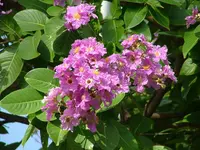
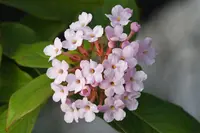
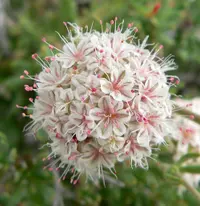
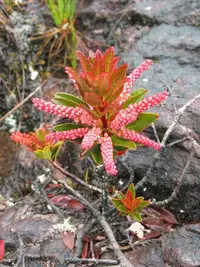
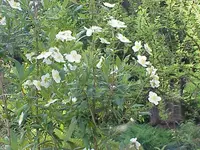
Plants have narrow, glossy leaves and produce slender clusters of small white flowers that attract bees and other pollinators. Bark is usually gray to reddish-brown and can become textured with age.

Swamp titi prefers acidic, consistently moist to wet soils and does best in full sun to light shade. In suitable climates, it is a durable landscape shrub, though gardeners should understand how to care for swamp titi in sites that do not stay naturally damp.

Main Plant Requirements

Care Difficulty

Moderate Care

Light Preference

Partial Sun

Water Requirements

Keep Soil Moist

Temperature Preference

Warm Climate

Hardiness Zone

6–10

Soil Texture

Sandy, Loamy, Peaty

Soil pH

Strongly acidic (4.5–5.5)

Soil Drainage

Waterlogged tolerant

Fertilization

Minimal (feed rarely)

Get Personalized Care Plan

Scan your plant to receive care tips personalized for your specific plant

Available on iOS and Android

How to Care for the swamp titi

This wetland shrub prefers consistent light with protection from harsh afternoon exposure.

  • Provide 4–6 hours of direct morning sun with light shade after midday, especially in hotter regions.
  • Tolerates bright dappled shade, but flowering of swamp titi improves with more morning sun and open exposure.
  • In hot summers, watch for leaf scorch on west-facing sites; in denser shade, expect leggier growth and fewer flowers.

This species naturally grows in saturated, acidic soils and prefers steady moisture.

  • Maintain soil that is consistently moist to wet, allowing only the top 1–2 cm to lose surface sheen before rewetting in garden settings.
  • Use soil rich in organic matter that holds water yet still drains slowly to prevent stagnant, foul-smelling conditions indicating poor aeration.
  • In drought, foliage may wilt or crisp at the edges; true overwatering shows as yellowing leaves and dieback on roots in poorly drained sites.

This plant is adapted to warm, humid climates with mild winters.

  • Optimal growth occurs around 70–85°F (21–29°C), with good vigor during long, warm growing seasons.
  • Mature plants tolerate brief drops to about 20°F (−6°C), but young shrubs benefit from protection from hard freezes and drying winter winds.
  • Handles summer heat up to about 95°F (35°C) if soil stays moist; extended colder periods below 20°F (−6°C) can cause stem dieback.

This species is adaptable but benefits from moderately high humidity.

  • Aim for 50–70% humidity, similar to a humid woodland edge, especially for young or container-grown plants.
  • It tolerates brief dry air, but extended humidity below 40% can slow growth and cause leaf edges to brown.
  • Signs of humidity stress include crisp leaf margins, curling, and premature leaf drop on swamp titi; raise humidity with grouped plants, trays of damp pebbles, or a nearby humidifier.

Cyrilla racemiflora prefers consistently moist, acidic, organic-rich soil with slow drainage.

  • Use a mix of 50–70% peat or fine pine bark with the rest coarse sand to create a moist, aerated but not fast-draining substrate.
  • Target an acidic pH of 4.5–6.0; avoid adding lime or alkaline amendments that raise pH.
  • In heavy native soil, incorporate shredded bark and leaf mold to increase organic matter and pore space while maintaining moisture retention.
  • Do not plant in compacted clay that ponds for long periods or in very sandy soil that dries out quickly, as both stress roots.

This shrub can be grown in large containers, especially in wet or bog-style planters.

  • Select a deep, heavy container that resists tipping and allows a substantial root zone for a multi-stem shrub.
  • Use a moisture-retentive but aerated mix and place the pot in a saucer or outer cachepot that can hold extra water without submerging the drainage holes.
  • Position the container where runoff from roofs or irrigation can keep the mix evenly damp, mimicking naturally wet habitats.

This species is adapted to low-nutrient, acidic wetlands, so swamp titi usually needs only light, careful feeding in garden settings.

  • Use a balanced, acid-forming slow-release fertilizer (for example 10-10-10 or 14-14-14) in spring for in-ground plants with pale, weak growth.
  • Apply once per year during the growing season; avoid fertilizing stressed, waterlogged, or newly transplanted plants.
  • For container specimens, use a half-strength balanced liquid fertilizer every 4–6 weeks in spring–summer, then stop feeding in fall–winter.
  • Lightly incorporate compost or leaf mold around the drip line instead of heavy fertilization to maintain soil organic matter.

Cyrilla racemiflora benefits from light, timed pruning to maintain structure and encourage healthy flowering wood.

  • Carry out structural pruning in late winter to early spring, before new growth starts.
  • Remove dead, diseased, crossing, or inward-growing branches first to open the canopy and improve air flow.
  • Shorten or thin crowded shoots to maintain a natural, layered form rather than creating hard edges.
  • Use clean, sharp bypass pruners or loppers and make cuts just above a bud or branch junction to promote proper healing.

This wetland shrub or small tree is usually grown in the ground, so focus on careful transplanting rather than frequent repotting.

  • Transplant in late winter to early spring when the plant is dormant and soil is workable.
  • Look for signs such as slow growth, poor vigor, or roots circling inside a nursery container before shifting to a larger size.
  • Move up only 1 container size, keeping the root ball intact and disturbing roots as little as possible to limit stress.
  • Water thoroughly before and after transplanting, then maintain consistently moist, acidic soil and shade from harsh sun for 1–2 weeks.

Propagation of this species is possible but somewhat specialized, so it is not commonly attempted by casual gardeners.

  • Use semi-ripe cuttings in late summer, placed in a moist, acidic, well-drained medium under high humidity and bright, indirect light.
  • Apply a rooting hormone to cuttings and keep the rooting zone warm, around 70–75°F, for several weeks.
  • Sow fresh seeds in fall in a cold frame or outdoors; natural chilling over winter can improve germination.
  • Keep seed trays and cuttings evenly moist but not waterlogged, as saturated media reduces oxygen around developing roots.

This species is moderately cold hardy in much of its native range, but young plants and container specimens benefit from simple winter care.

  • In USDA zones near its hardiness limit, add a 5–8 cm mulch layer around the root zone to moderate soil temperature.
  • Avoid heavy pruning or fertilizing late in the season so new growth can harden before freezing weather.
  • Move container-grown plants into a sheltered, frost-free but cool spot, keeping the root ball just moist, not saturated.

Care Tips

Water-table placement

In wet landscapes, position plants just above the usual waterline or on a low berm so roots access consistent moisture without sitting in stagnant water that can reduce oxygen and root health over time.

Mulch for acidity

Apply a 5–8 cm layer of pine bark or pine needle mulch over the root zone to help maintain the slightly acidic conditions this species prefers and to keep the shallow roots cool and evenly moist.

Wind-buffered siting

Site plants with some protection from strong, drying winds or use a temporary windbreak for the first 2–3 years, as young shrubs establish more reliably when foliage and fine roots are not stressed by constant wind exposure.

Gentle form training

On multi-stem plants, selectively remove the weakest or most congested stems at the base in late winter to encourage a well-spaced framework and improve air movement through the canopy.

Post-flood inspection

After heavy storms or short-term flooding, hose off silt from leaves and check for exposed roots, adding soil and mulch where needed to stabilize the plant and support healthier long-term growth when caring for swamp titi.

Common Pests and Diseases

Scale insects

This pest feeds on stems and leaves, sucking sap and causing yellowing, reduced vigor, and sooty mold on the honeydew they excrete.

Solution

Prune out heavily infested twigs, then wipe reachable stems with a cloth dipped in diluted insecticidal soap or horticultural oil; for larger shrubs, apply a horticultural oil spray during the growing season, coating stems thoroughly, and repeat as needed while monitoring for beneficial insects.

Leaf spot

This disease causes brown to purplish spots or blotches on leaves, sometimes with yellow halos and early leaf drop during warm, wet periods.

Solution

Remove and discard affected leaves from the plant and ground, increase air circulation by thinning crowded branches, avoid overhead watering, and, in severe recurring cases, use a copper-based fungicide labeled for ornamental shrubs at the first sign of new spots.

Sooty mold

This disease appears as black, soot-like growth on leaves and stems, growing on the sugary honeydew left by sap-feeding insects such as scales or aphids.

Solution

Control the underlying insect infestation first, then gently wash affected foliage with a mild soap-and-water solution or plain water to remove the mold so leaves can photosynthesize properly.

Twig dieback

Symptoms include browning and death of shoot tips or small branches, often following stress or minor canker infections on this wetland shrub.

Solution

Cut back affected twigs into healthy wood, disinfecting pruners between cuts, improve plant vigor with consistent soil moisture and a light mulch layer, and avoid mechanical damage to stems that can open entry points for pathogens.

Interesting Facts

Specialized bog habitat

This species often dominates acidic bogs, pocosins, and wet flatwoods in the southeastern US, thriving where many woody plants cannot tolerate the low pH and waterlogged soils.

Late-summer nectar source

Its long, drooping flower racemes appear in late summer and provide an important nectar source for bees and other pollinators when many other native shrubs have already finished flowering.

Fire-adapted shrub

In its native coastal plain habitats, this shrub often survives periodic low-intensity fires by resprouting from its base and root system, which helps it persist in fire-managed ecosystems.

Botan icon

Did you know?

In some coastal plain wetlands, dense stands of this species are so characteristic that entire plant communities are named for it, and these shrub thickets play a key role in stabilizing peat soils and moderating local hydrology.

FAQs about swamp titi

Poor flowering often results from too much shade, dry soil, or recent heavy pruning. It blooms best in consistent moisture, acidic soil, and full sun to light shade. Avoid pruning in late winter and spring when flower buds form.

Grow Healthy Plants with Botan Care

Keep your plants happy and healthy with plant identification, disease detection, and easy care guidance.

Botan plant care app — identify plants on mobile

Explore More Plants