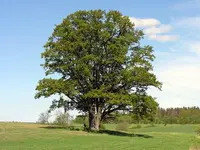


bur oak Identification (Quercus macrocarpa)

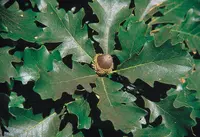
Recognize bur oak by its large leaves with deep middle sinuses and a broad, rounded tip, plus very large acorns partly enclosed by a thick, fringed cup.

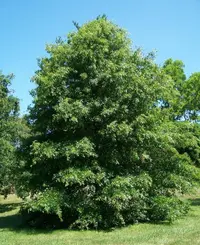
The tree also shows stout twigs and a broad trunk with deeply furrowed gray bark, giving mature specimens a heavy, rugged structure.

Quercus macrocarpa Identification

Check Your Plant ID

Upload a plant photo and check the identification in seconds.

Clear images work best. Avoid photos taken too close or too far away

  • 1 free identification
  • No sign-up
  • 30,000+ plants in database

Check the leaves, acorns, and bark on Quercus macrocarpa.

  • Leaves are 6-12 inches (15-30 cm) long, with deep rounded lobes and a narrow middle that gives a fiddle-like outline.
  • Acorns are large, about 1-2 inches (2.5-5 cm) long, with a thick cup covering about half to most of the nut.
  • The acorn cup has long, shaggy fringe-like scales around the rim, easy to see by eye.
  • Bark is thick, gray-brown, and deeply ridged into broad, rough plates on older trunks.

Large fringed acorn cups are one of the quickest visible clues.

Bur oak shows clear visual shifts from seedling leaves to corky, broad-crowned maturity.

  • Seedling: Early plants carry alternate leaves that are often less deeply lobed than adult foliage, on a slender stem with a strong taproot and few side branches.
  • Young plant: Saplings begin showing the classic broad middle sinuses and larger leaves, often 6-12 inches (15-30 cm) long, with thicker twigs and more lateral branching.
  • Mature plant: Older trees develop a massive trunk, stout spreading limbs, and a broad crown; bark becomes thick, ridged, and corky, unlike the smoother young stems.
  • Fruiting stage: Acorns become a strong clue: large nuts sit in deep, fringed cups that enclose much of the nut, standing out more than the tree’s flowers.

In spring, Quercus macrocarpa leafs out with large, deeply lobed leaves and dangling male catkins that make flowering visible before or as the canopy fills. By late summer into fall, the large acorns become a strong clue, with thick, fringed caps covering much of the nut. Fall foliage usually turns yellow-brown to brown, and after leaf drop the stout twigs, broad crown, and deeply ridged bark stand out.

Several oaks can be mistaken for bur oak at a glance.

swamp white oak(Quercus bicolor)

Both have broad, unevenly lobed leaves. Swamp white oak leaves are whitened beneath and usually lack the deep middle waist; acorns have shallower cups.

overcup oak(Quercus lyrata)

Its leaves can share the broad, lyre-like outline. Overcup oak usually has more rounded lobes and acorns mostly enclosed by the cup, unlike the fringed bur oak cup.

English oak(Quercus robur)

Large rounded lobes can confuse young trees. English oak leaves have short petioles and ear-like leaf bases; bur oak usually shows a pronounced middle constriction.

Quercus macrocarpa is native to central and eastern North America, from the Great Plains east to the Great Lakes and parts of the Mississippi Valley. It is most often found in open oak woodlands, prairie edges, savannas, and bottomlands. That habitat helps with identification because this oak often appears as a lone tree or in scattered stands across grassland-woodland transition zones, not mainly in dense forest.

  • Acorns and young leaves: Quercus macrocarpa acorns and young leaves contain tannins. Ingestion can be harmful to pets, especially dogs and livestock, and large amounts can also upset humans.
  • Falling acorns: The large acorns are a physical hazard rather than a toxin. They can cause injury if they fall from the tree or create a slipping risk underfoot for people and pets.

Scan. Check. Confirm.

Use Botan to compare a photo and verify the plant before you spend time on the wrong identification.

FAQ

The quickest check is the acorn. This species has a very large acorn with a deep cup edged by shaggy, fringe-like scales. Leaves also show a broad rounded tip and a narrowed middle, useful for bur oak identification.

More Plant Identification Guides

Identify the Plant and Get Its Profile

Use Botan to identify a plant from a photo, then review plant details, care information, and common problems.

Botan app identifying a plant from a photo
How Often to Water Fruit Trees

7 min read · 11 Aug 2026

How Often to Water Fruit Trees

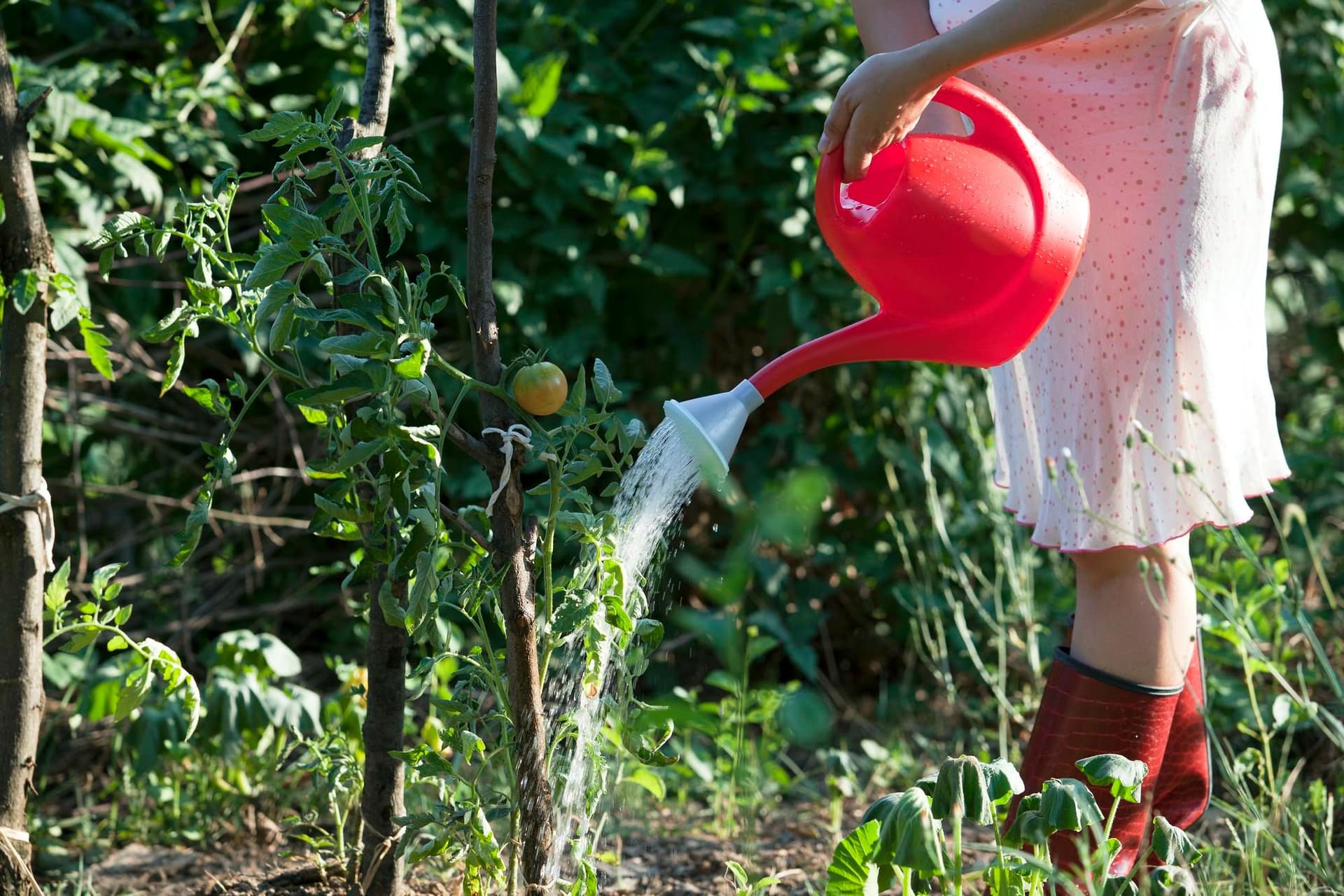
Irrigation needs change as roots establish and weather shifts. This guide gives practical starting intervals, explains how soil and tree type change them, and shows how to recognize both excess moisture and drought stress.

Plant Care
How Often to Water Fruit Trees
How to Tell if a Plant Is Dead

6 min read · 19 Aug 2026

How to Tell if a Plant Is Dead

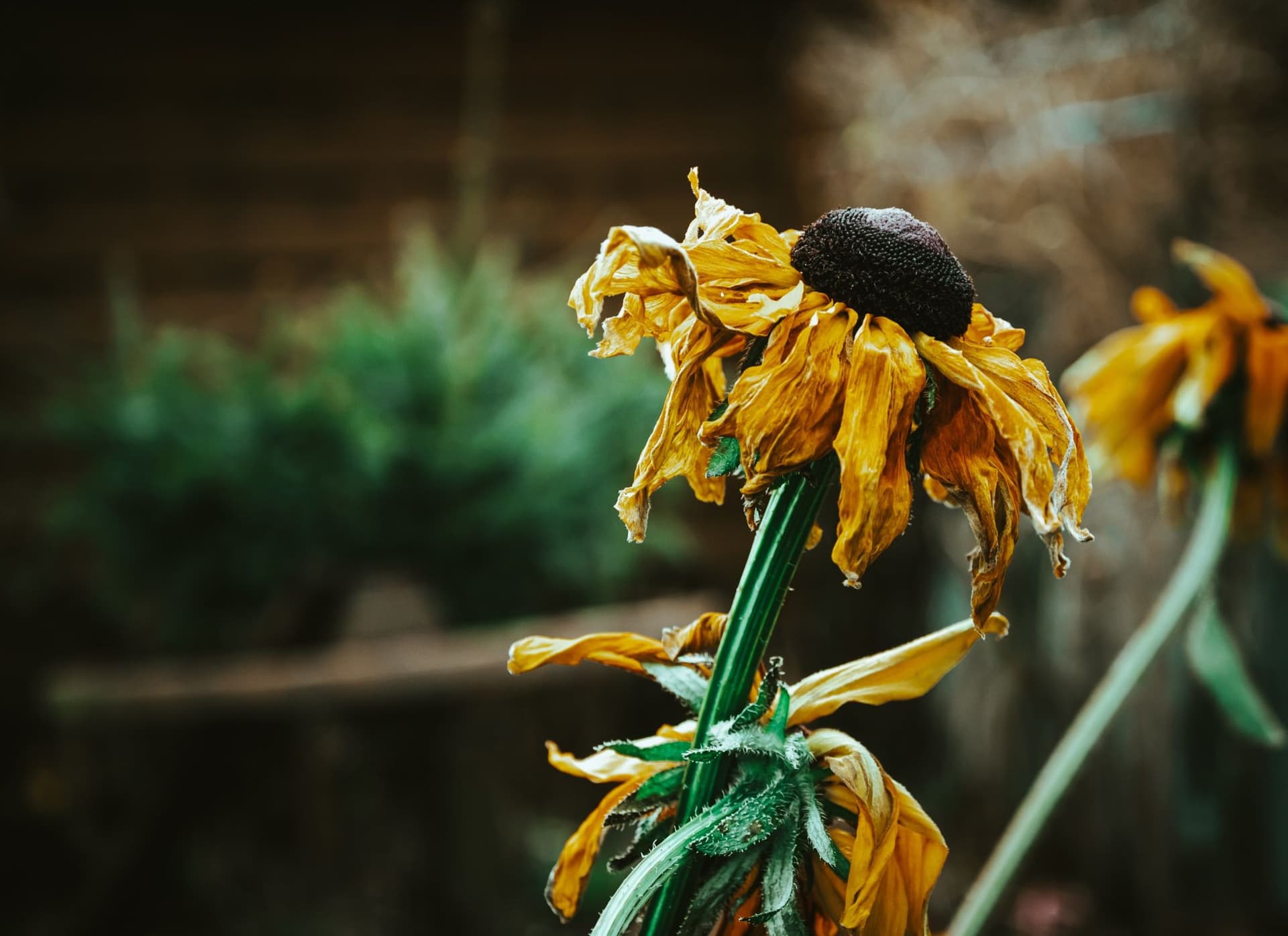
A plant can lose its leaves, stop growing, or collapse and still remain alive. A closer look at the stems, roots, bulbs, and tubers can show whether the plant still has a chance to recover.

Beginner Guides
How to Tell if a Plant Is Dead
Best Time to Water Grass in Summer – Lawn Watering Tips

5 min read · 21 Jul 2026

Best Time to Water Grass in Summer – Lawn Watering Tips

Summer watering is easy to get wrong. This guide explains when to turn on your sprinkler, how much liquid your grass needs each week, and how to tell if you're overwatering or underwatering.

Plant Care
Best Time to Water Grass in Summer – Lawn Watering Tips