
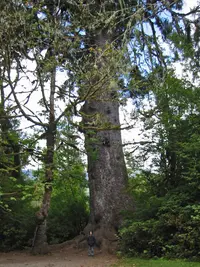

Cedar Identification (Cedrela fissilis)

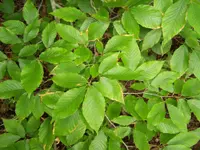
To recognize Cedrela fissilis, check for long, alternate pinnate leaves with many opposite to subopposite leaflets, often 2 to 6 inches (5 to 15 cm) long, on a straight trunk.

Another reliable cue is the bark: gray-brown and fissured on older trees. The crown is open, with branches spaced rather than densely packed.

Cedrela fissilis Identification

Identify Your Plant with Botan

Take or upload a photo to confirm your plant ID with Botan.

Clear images work best. Avoid photos taken too close or too far away

Check the leaf form and the woody fruit first on Cedrela fissilis.

  • Leaves are alternate and once pinnate, usually about 8-24 inches (20-60 cm) long.
  • Each leaf carries many opposite to nearly opposite leaflets, often 10-20 pairs, narrow and pointed.
  • The trunk is straight and columnar, with gray to brown bark that becomes fissured into long vertical ridges.
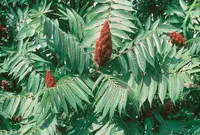
  • Fruits are upright, woody capsules that split into five valves, releasing many flat winged seeds.

A combination of long pinnate leaves and five-part woody capsules is the quickest visual check.

Cedrela fissilis shows distinct visual shifts from sapling form to flowering and fruiting maturity.

  • Young plant: Young plants carry long pinnate leaves with many opposite leaflets, while the stem stays slender and upright with little trunk flare or heavy branching.
  • Mature plant: The mature tree develops a tall, straight trunk and broader crown, often reaching 60-100 feet (18-30 m), with thicker limbs and a more open branch framework.
  • Flowering stage: At flowering, branch tips bear loose clusters of small pale blossoms, adding a fine textured canopy layer not present on nonflowering individuals.
  • Fruiting stage: Fruiting plants show erect, woody capsules that split into valves, exposing many winged seeds and making the crown look studded and more angular.

Cedrela fissilis is deciduous, so one of the clearest seasonal clues is leaf drop in the dry season or cooler months, leaving an open crown and bare twigs. When in flower, the loose clusters become visibly prominent against the foliage. Later, woody capsules develop and split open on the tree, making fruiting branches easier to recognize.

Several South American timber trees can be mistaken for Cedrela fissilis at a glance.

Spanish cedar(Cedrela odorata)

Often confused because both are tall trees with large pinnate leaves. Cedrela odorata usually has more leaflets, often 10-20 pairs, and its fruiting capsules are smaller; C. fissilis typically has fewer leaflet pairs and larger woody capsules.

Australian red cedar(Toona ciliata)

Similar in habit and in having compound leaves. A quick check is the leaf edge: Toona ciliata leaflets are usually clearly toothed, while C. fissilis leaflets are usually entire or only faintly toothed.

Cedrela fissilis is native to tropical and subtropical South America, including Brazil, Bolivia, Paraguay, Argentina, and parts of Peru. Its range helps separate it from similar cedars outside the Neotropics. In the wild it occurs in seasonal and humid forests, including Atlantic Forest and gallery forest, often on well-drained sites from lowlands into foothills. Finding a tree in these forested South American habitats can help narrow identification.

Scan. Check. Confirm.

Use Botan to compare a photo and confirm the plant, which helps avoid mix-ups before you label it or look up details.

FAQ

It produces woody capsules that split open when mature. Inside are many flat, winged seeds, a useful Cedrela fissilis identification feature because the dry fruits differ clearly from fleshy fruits such as berries.

Everything About Cedar

More Plant Identification Guides

Identify Your Plant and Learn More

Identify a plant from a photo, then get species-specific care information, safety notes, and other key details in Botan.

Botan app identifying a plant from a photo
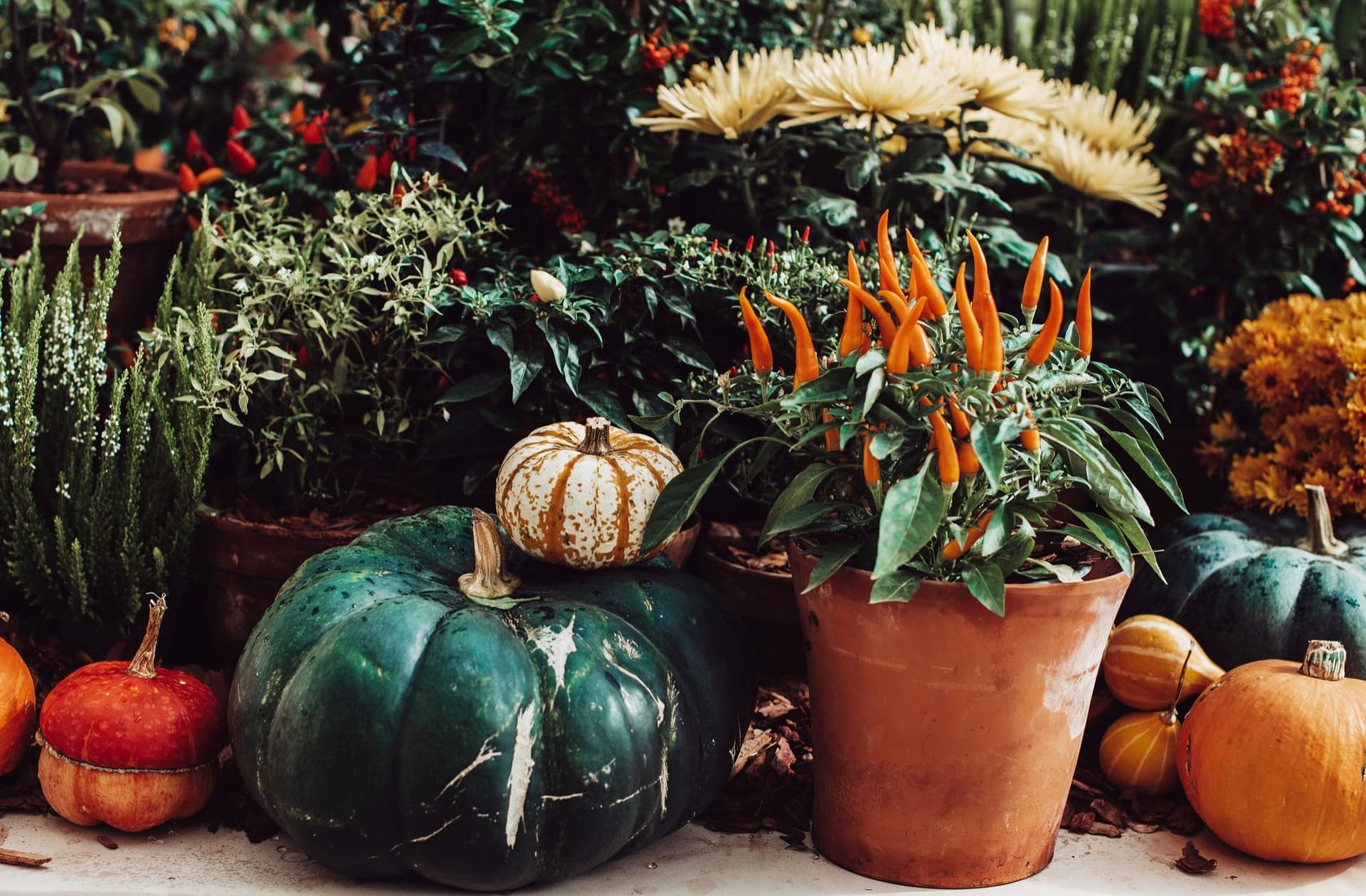
15 Best Scary Halloween Plants and Fungi for a Spooky Garden

8 min read · 9 Oct 2026

15 Best Scary Halloween Plants and Fungi for a Spooky Garden

Want a garden that looks eerie in October? Here are 15 Halloween plants and fungi, from carnivorous traps to bleeding mushrooms. For each species, we cover its appearance, care requirements, and potential uses in your landscape.

Plant Recommendations
15 Best Scary Halloween Plants and Fungi for a Spooky Garden
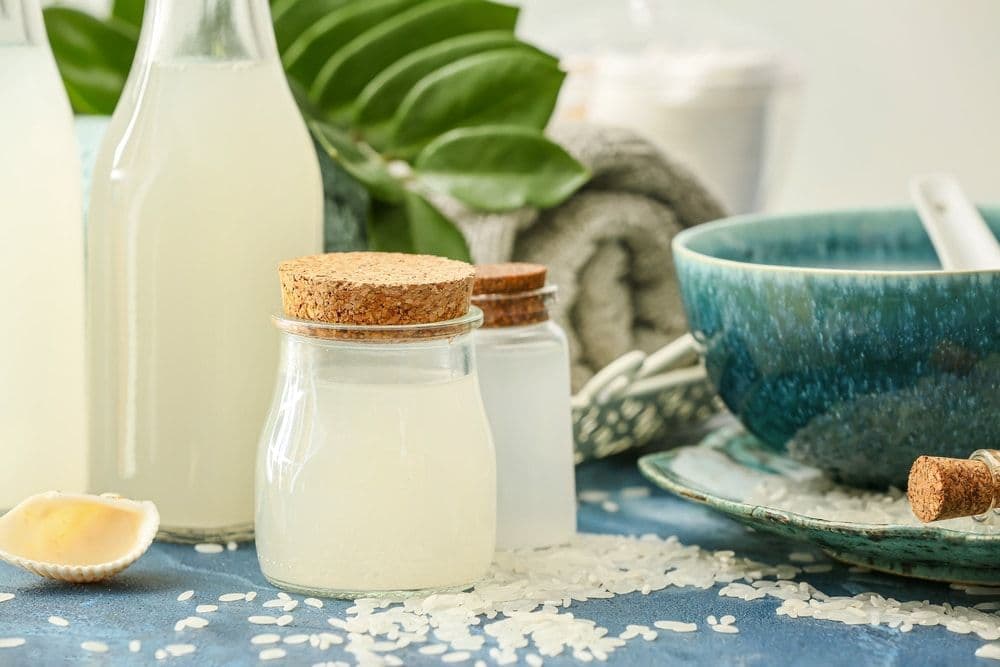
Rice Water for Plants – Which Plants Love It and How to Make It

8 min read · 14 Jul 2026

Rice Water for Plants – Which Plants Love It and How to Make It

Rice water can be an ideal DIY solution for orchids, roses, or fruiting plants. It supports growth, leaf count, and height. We’ll share how to make and apply it correctly for your plant.

Plant Care
Rice Water for Plants – Which Plants Love It and How to Make It
Best Fertilizer for Vegetable Gardens – What to Use for Each Plant

11 min read · 20 Jul 2026

Best Fertilizer for Vegetable Gardens – What to Use for Each Plant

Here, you’ll find the right fertilizer formula for vegetables in your garden. Learn how to adjust feeding correctly throughout the growing cycle, spot nutrient deficiencies by their symptoms, and keep your plants healthy and prolific.

Plant Recommendations
Best Fertilizer for Vegetable Gardens – What to Use for Each Plant