California phacelia Care (Phacelia californica)

California phacelia

About California phacelia

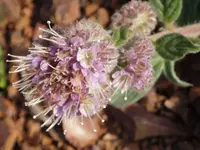
California phacelia (Phacelia californica) is a low, bushy perennial wildflower native to coastal regions of California and southern Oregon. It is often found on bluffs, dunes, and open slopes. The plant forms clumps of deeply lobed, sometimes slightly hairy foliage, topped with clusters of lavender to purple, bell-shaped flowers that attract bees, butterflies, and other pollinators. It typically grows in dry, sunny, and exposed sites, showing good tolerance to wind and salt spray. Once established, it handles low to moderate water and lean, well-drained soils, which makes it relatively undemanding in suitable climates. Understanding how to care for California phacelia mostly involves matching these tough, coastal conditions in the garden.

Main Plant Requirements

Care Difficulty

Easy Care

Light Preference

Full Sun

Water Requirements

Low Water

Temperature Preference

Warm Climate

Hardiness Zone

7–10

Soil Texture

Sandy, Loamy, Rocky

Soil pH

Slightly acidic (6.5–7.0), Neutral (7.0)

Soil Drainage

Well-drained

Fertilization

Minimal (feed rarely)

Get Personalized Care Plan

Scan your plant to receive care tips personalized for your specific plant

Available on iOS and Android

How to Care for the California phacelia

This coastal wildflower prefers bright conditions that mimic its native, open habitats.

  • Provide 6–8 hours of direct sun, ideally with morning sun and light afternoon shade in hotter inland areas to reduce stress.
  • Tolerates light or dappled shade, but flowering decreases if it receives less than about 4–5 hours of sun, and stems may stretch or flop.
  • In very hot summers, protect California phacelia from intense late-afternoon sun with nearby taller plants, fences, or light shade cloth.

This species is adapted to dry, coastal conditions and prefers infrequent, deeper watering once established.

  • Allow the top 5–7 cm of soil to dry before watering; soil should feel dry and crumbly rather than cool and moist to the touch.
  • During the first growing season, water thoroughly when foliage just begins to lose firmness, then reduce frequency once roots are established.
  • Use sharply draining, sandy or rocky soil to prevent standing water; watch for yellowing, soft stems as a sign of overwatering and crisp, rolling leaves as underwatering.

This plant handles a mild, coastal climate but has moderate tolerance for both cool and warm conditions.

  • Ideal growth occurs around 55–75°F (13–24°C), with strongest vegetative growth and flowering in cool to mild spring weather.
  • Plants tolerate brief drops to about 25°F (−4°C), but repeated hard frosts or freezes below this can damage foliage and kill young plants.
  • Heat tolerance is good up to about 90°F (32°C) if soil is not soggy; in hotter inland summers, flowering may slow and plants benefit from afternoon shade and mulch.

This species is adapted to dry coastal and chaparral air, so indoor humidity management is usually unnecessary.

Phacelia californica prefers mineral, sharply draining soil that mimics dry, coastal slopes.

  • Use sandy or sandy-loam soil with 20–30% coarse sand or fine gravel to prevent water retention around the roots.
  • In garden beds or mixes, blend in a modest amount of compost (10–20%) for structure but avoid heavy, peat-rich media.
  • Aim for slightly acidic to neutral pH, roughly 6.0–7.2, adjusting with garden lime or sulfur only if soil is very extreme.
  • Avoid compacted clay, consistently wet ground, or low-lying spots where water collects after rain, since roots are prone to rot in saturation.

This species can be grown in containers outdoors if the pot is set up to drain very quickly.

  • Choose a broad, relatively shallow container to suit its spreading root system and reduce water pooling at the base.
  • Use a gritty mix, such as 50–60% standard potting soil with the rest coarse sand and small gravel, to keep drainage rapid.
  • Place the container in a slightly raised position or on pot feet so outflowing water clears the drainage holes after irrigation.

This native wildflower generally needs little feeding in average to lean soil, but light nutrition can support flowering in poor sites.

  • Use a thin topdressing of compost or a low-strength balanced NPK fertilizer (around 5-5-5) in spring for California phacelia in depleted soil.
  • Apply at most once at the start of the main growing season; frequent fertilization is unnecessary and can cause lush, weak growth.
  • Dilute liquid products to 25–50% of the label rate to avoid salt buildup in well-drained but dry sites.
  • Stop feeding in late summer to fall so plants can harden off naturally before winter dormancy.

Phacelia californica benefits from light, timely pruning to keep the plant tidy and extend flowering.

  • In late spring to early summer, snip off spent flower spikes with clean scissors or hand pruners to encourage continued blooming.
  • Remove dead, damaged, or diseased stems whenever noticed, cutting back to healthy tissue to limit pest and disease problems.
  • Lightly thin crowded, floppy growth after the main bloom to maintain a compact, mounding shape.
  • Avoid cutting into the woody base; focus on soft, current-season stems to reduce stress and maintain vigor.

This species is usually grown in the ground, so transplanting young plants is more common than long-term container repotting.

  • Transplant in early to mid spring when soil is workable and cool, allowing roots to establish before summer heat.
  • Look for roots circling the plug or container holes and slowed top growth as signs that a plant has outgrown its pot.
  • Move plants with as much root ball as possible, disturbing roots minimally and replanting at the same depth in well-drained soil.
  • Water deeply after transplanting, then keep soil slightly moist for 1–2 weeks to reduce root stress before returning to normal dry-down cycles.

Phacelia californica is most often propagated by seed, with occasional use of division in established clumps.

  • Sow fresh or stored seed in fall or very early spring outdoors, where natural chill and moisture help break dormancy.
  • Prepare a well-drained, sandy or loamy surface and cover seed very lightly, about 2–3 mm, to support even germination.
  • Keep the top layer just moist, not saturated, until seedlings emerge and develop several true leaves.
  • For division, split small, healthy clumps in early spring, replanting sections promptly and watering to settle soil around roots.

Mature plants are generally cold hardy in mild coastal climates and need little active winter care.

  • In regions with occasional light frost, a 2–5 cm layer of dry mulch around the root zone helps buffer temperature swings.
  • Avoid heavy, soggy soils in winter; ensure good drainage so crowns do not rot in prolonged cold, wet conditions.
  • Container plants in colder inland areas can be moved to a sheltered, unheated porch or cold frame during hard freezes.

Care Tips

Encourage Side Shoots

Pinch back the soft tips of young stems in late winter or early spring to encourage more branching, which increases flower production and helps create a fuller, more wind-stable clump.

Plan For Pollinators

Stagger sowing or planting times by 2–3 weeks in early spring so flowering is spread over a longer period, which supports pollinators and extends the visual impact of the patch.

Protect From Wind

In exposed coastal or open sites, place plants behind a low windbreak such as a short hedge or mesh fencing to reduce salt-laden or drying winds that can scorch foliage and bend stems.

Smart Mulch Use

Apply a light, coarse mulch such as fine gravel or decomposed granite around but not touching the crowns to suppress weeds and stabilize soil temperature without trapping excess moisture at the base.

Manage Self-Seeding

If you want controlled stands, deadhead most spent flower clusters before seed set and leave only a few to ripen, then collect and re-sow seed where you actually want to grow Phacelia californica.

Common Pests and Diseases

Leaf-mining flies

This pest tunnels inside leaves, creating pale, winding trails and blotches that reduce photosynthesis and weaken plants, especially young rosettes.

Solution

Remove and dispose of heavily mined leaves before larvae mature, and encourage or introduce beneficial parasitoid wasps when possible; in small plantings, floating row covers over young plants and avoiding nearby weedy hosts reduce new infestations.

Aphids

These insects cluster on tender stems and flower buds, sucking sap and excreting sticky honeydew that can attract sooty mold and beneficial insects such as ants.

Solution

Dislodge colonies with a firm stream of water, pinch or cut off heavily infested tips, and use insecticidal soap or horticultural oil targeted to the undersides of leaves while maintaining good airflow around the planting to limit rapid population growth.

Powdery mildew

This disease causes a white to gray, powdery coating on leaves and stems, leading to distorted growth and premature leaf drop, especially in dense, irrigated stands.

Solution

Improve air circulation by thinning crowded plants, water at soil level rather than overhead, remove and dispose of affected foliage, and, if needed, apply a low-toxicity fungicide such as potassium bicarbonate or sulfur at the first signs as part of broader Phacelia californica care instructions.

Botrytis blight

This disease produces soft, water-soaked spots on leaves, buds, and flowers that quickly develop gray, fuzzy mold under cool, damp conditions, often on older or damaged tissue.

Solution

Promptly remove and discard infected plant parts, avoid overhead irrigation or late-day watering, keep plant debris off the soil surface, and increase spacing or airflow so foliage dries quickly, reserving targeted fungicides for persistent cases in high-value plantings.

Interesting Facts

Coastal bluff specialist

This species is naturally concentrated along coastal bluffs and dunes from Oregon into coastal California, where it anchors unstable sandy and rocky slopes with a dense, fibrous root system.

Key spring nectar source

Its coiled clusters of purple flowers open progressively along the inflorescence in spring, providing a sustained nectar and pollen source for native bees, butterflies, and syrphid flies on the Pacific coast.

Salt and wind tolerant

The plant tolerates salt spray, strong onshore winds, and lean, fast-draining soils, which is why it often dominates exposed ocean-facing sites where many other forbs cannot persist.

Botan icon

Did you know?

California phacelia is considered an important component of some coastal restoration projects because its fast establishment and dense cover help reduce erosion while simultaneously supporting native pollinator communities.

FAQs about California phacelia

Yes, this species is highly attractive to native bees, honeybees, hoverflies, and some butterflies. Dense clusters of nectar-rich flowers make it valuable in pollinator gardens and restoration plantings, especially in dry, coastal, and meadow-style landscapes.

Grow Healthy Plants with Botan Care

Keep your plants happy and healthy with plant identification, disease detection, and easy care guidance.

Botan plant care app — identify plants on mobile

Explore More Plants