Red-berried Elder Care (Sambucus racemosa)

Also known as: red elderberry, Red Elder, American red elderberry
Red-berried Elder

About Red-berried Elder

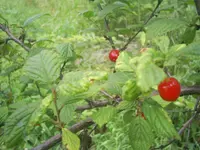
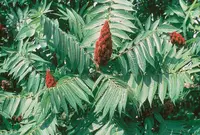
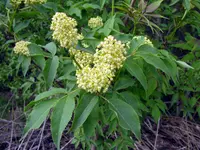
Red-berried elder, Sambucus racemosa, is a deciduous shrub known for its bright red berry clusters and finely divided, medium-green leaves. It usually forms a dense, multi-stemmed clump with creamy white flower clusters in spring followed by showy fruit.

This species is native to cooler regions of North America and Eurasia, where it grows in woodland edges, moist slopes, and along streams. In gardens it suits naturalistic plantings and wildlife areas, but its suckering habit and fast growth require some space and periodic pruning.

It prefers moist, well-drained soil and light from partial shade to sun. These traits make it relatively easy to care for Red-berried Elder in temperate outdoor conditions.

Main Plant Requirements

Care Difficulty

Moderate Care

Light Preference

Partial Shade

Water Requirements

Regular Water

Temperature Preference

Cold Hardy

Hardiness Zone

3–7

Soil Texture

Loamy, Silty, Organic-rich

Soil pH

Acidic (5.5–6.5), Slightly acidic (6.5–7.0)

Soil Drainage

Moist but well-drained

Fertilization

Minimal (feed rarely)

Get Personalized Care Plan

Scan your plant to receive care tips personalized for your specific plant

Available on iOS and Android

How to Care for the Red-berried Elder

This shrub grows best in cool climates with moderate light rather than intense, all-day sun.

  • Provide 4–6 hours of sun daily, ideally with morning sun and light afternoon shade, especially in warmer regions, for healthy flowering and fruiting of Red-berried Elder.
  • Allow partial shade (dappled woodland light) during midday; too much dense shade leads to lanky growth and fewer flower clusters.
  • In hot summers, protect from strong afternoon sun to reduce leaf scorch and water stress, using neighboring trees, buildings, or shrubs as light filters.

This species prefers steadily moist, well-drained soil and does not tolerate long dry spells.

  • Water when the top 3–5 cm of soil feels slightly dry, aiming for evenly moist but never waterlogged conditions around the root zone.
  • Increase monitoring during hot, windy weather; drooping leaves, crisp edges, and dry soil indicate underwatering, while yellowing leaves and soggy soil suggest overwatering.
  • Ensure soil drains freely, using organic matter to improve structure, because Sambucus racemosa is prone to root problems in compacted or standing water conditions.

This cold-hardy shrub tolerates a wide temperature range but grows best in cool to mild conditions.

  • Active growth is strongest around 60–75°F (16–24°C), especially in spring and early summer when soil moisture is consistent.
  • Plants tolerate winter lows near -20°F (-29°C) once established, but young shrubs benefit from mulch to buffer freeze–thaw cycles around the roots.
  • During summer heat above 85°F (29°C), provide extra soil moisture and partial shade to reduce stress, since prolonged extreme heat can slow growth and scorch foliage.

Humidity is not a major factor for Sambucus racemosa and typical outdoor levels are sufficient for Red-berried Elder.

This shrub prefers deep, moist, well-drained loam with high organic content.

  • Use a mix of native soil, compost, and leaf mold to create a crumbly, moisture-retentive but airy structure.
  • Aim for slightly acidic to neutral pH around 5.5–7.0, avoiding strongly alkaline or highly compacted ground.
  • In heavy clay, improve drainage and aeration by incorporating coarse sand or fine gravel plus organic matter to at least 20–30 cm depth.
  • Avoid waterlogged sites, hardpan layers, and very dry, sandy ground where roots cannot stay evenly moist.

This species can be grown in containers, although long-term culture is more demanding than in-ground planting.

  • Choose a wide, heavy container to counterbalance the shrub’s top growth and reduce tipping in wind exposure.
  • Use a deep pot that allows strong vertical root development, not a shallow bowl-style container.
  • Select thicker-walled materials like wood or heavy ceramic to buffer root-zone temperature and slow moisture loss.

This species is a hardy woodland shrub that usually needs only light feeding in average garden soil.

  • Apply a thin layer of compost around the root zone in early spring to support steady growth.
  • In poorer soils, use a balanced slow-release fertilizer (such as 10-10-10) once in early spring for caring for Red-berried Elder.
  • Dilute liquid balanced fertilizer to 1/2 strength for container plants and feed every 4–6 weeks during the growing season.
  • Stop fertilizing in late summer so new growth can harden off before winter dormancy.

Sambucus racemosa responds well to thoughtful pruning that maintains structure and flowering wood.

  • Carry out main pruning in late winter to early spring before buds break.
  • Remove dead, damaged, or crossing stems first, cutting back to healthy wood with clean, sharp bypass pruners.
  • Thin a few of the oldest, thickest canes at the base to encourage vigorous new shoots and better air flow.
  • Lightly shorten overly long stems after flowering to control size without removing next year’s flower buds.

This shrub is usually grown in the ground, so focus on careful transplanting rather than frequent repotting.

  • Transplant in early spring or early fall when temperatures are mild and soil is workable.
  • Move plants that show poor vigor, are shaded out, or have outgrown their space, keeping as much root ball intact as possible.
  • Water thoroughly before and after transplanting, then keep soil evenly moist for several weeks to reduce root stress.
  • Container-grown plants needing more space show roots circling the pot or slowed growth; shift up 1 pot size only.

Propagation is commonly done from cuttings, with seeds used mainly for larger restoration or wildlife projects.

  • Take softwood cuttings in late spring to early summer, 10–15 cm long, with 2–3 leaf nodes.
  • Insert cuttings into a moist, free-draining medium under high humidity and bright, indirect light until rooted.
  • Use hardwood cuttings in late fall to winter, setting them in outdoor nursery beds or deep pots.
  • Sow cleaned seeds outdoors in fall so natural winter chilling breaks dormancy and improves germination.

This species is generally cold hardy in temperate climates and needs minimal winter attention once established.

  • Tolerates typical freezes in most temperate US regions, though very young plants are more vulnerable.
  • Apply a 5–8 cm mulch layer over the root zone in late fall, keeping mulch slightly away from the stems.
  • In exposed, windy sites, stake young shrubs and avoid heavy pruning late in the season to prevent dieback.

Care Tips

Windfirm Training

In the first 2–3 years, selectively head back long, whippy shoots by 1/3 in late winter so the shrub develops a shorter, branched framework that resists wind and snow damage.

Bird-Safe Netting

If fruit display is important, install fine, loose bird netting over the shrub just as berries begin to color, keeping it raised off the clusters with stakes so birds are deterred but branches are not constricted.

Sucker Management

Inspect the base each spring and cut unwanted root suckers at or slightly below soil level to prevent the shrub from spreading into nearby beds while still allowing a few suckers where you want a thicket.

Forest-Style Mulching

Apply a 5–8 cm ring of shredded bark or leaf mold under the canopy, keeping it a few cm away from stems, to mimic woodland leaf litter, conserve moisture, and encourage beneficial soil fungi around the roots when caring for Red-berried Elder.

Shade-Tolerant Underplanting

Underplant with low, shade-tolerant perennials or groundcovers to cover exposed soil, reduce weed pressure, and keep root zones cooler and more stable in summer.

Common Pests and Diseases

Elder aphids

This pest forms dense colonies on young shoots, leaves, and flower clusters, sucking sap and causing curling, yellowing, and sticky honeydew. Symptoms include distorted growth and sooty mold developing on the honeydew deposits.

Solution

Prune off heavily infested shoot tips and dispose of them. For remaining colonies, hose down plants with a strong stream of water, then use insecticidal soap or a light horticultural oil, repeating every 5–7 days as needed while monitoring beneficial insects such as lady beetles.

Elder shoot borer

This pest is a caterpillar that tunnels inside young stems, leading to wilting, dieback of shoot tips, and hollow stems filled with frass (insect droppings). Symptoms include sudden collapse of new shoots even when soil moisture is adequate.

Solution

Cut out and destroy affected shoots several inches below the visible damage to remove larvae from the plant. Keep shrubs vigorous with proper watering and fertilization, and avoid excessive nitrogen, which encourages lush, susceptible new growth that attracts egg‑laying adults.

Powdery mildew

This disease causes a white, powdery coating on leaves, especially in shaded or crowded parts of the shrub, which can lead to leaf distortion and premature drop. Symptoms include patchy white films on upper leaf surfaces and sometimes on young stems and flower stalks.

Solution

Improve air circulation by thinning out crowded branches and avoiding overhead watering in the evening. Remove and discard heavily infected leaves, then apply a sulfur or potassium bicarbonate fungicide labeled for ornamental shrubs at the first sign of mildew, following label intervals during warm, humid periods.

Leaf spot

This disease produces small brown, purple, or tan spots on leaves that may merge into larger blotches, sometimes causing early leaf drop by late summer. Symptoms include spotted foliage that looks scorched in severe cases, while stems usually remain healthy.

Solution

Rake up and destroy fallen leaves to reduce the source of infection and avoid wetting foliage when irrigating. In recurrent or severe cases, thin the shrub for better airflow and apply a copper- or chlorothalonil-based fungicide in spring when new leaves emerge, especially during extended wet weather.

Scale insects

These insects appear as small, fixed bumps on stems and sometimes leaves, feeding on sap and weakening the shrub over time. Symptoms include sticky honeydew, black sooty mold, and gradual decline or poor vigor in affected branches.

Solution

In winter or early spring, apply a dormant horticultural oil thoroughly to twigs and branches to smother overwintering scales. During the growing season, prune out heavily infested stems and, if needed, use a lighter horticultural oil spray targeting the crawler stage, checking labels for timing and temperature limits for Sambucus racemosa care instructions.

Interesting Facts

Bright but toxic berries

The vivid red berries are an important early-summer food source for many songbirds, yet they are considered poisonous to humans and some mammals when raw due to cyanogenic glycosides, compounds that can release cyanide.

Preference for cool mountains

This species naturally favors cool, moist, and often montane habitats, and in North America it is especially common along forest edges, clearings, and stream banks in the Pacific Northwest and mountainous regions.

Early-season nectar source

Its dense clusters of small white flowers open in spring, providing one of the earlier nectar and pollen resources for native bees, hoverflies, and other pollinating insects in cool-temperate forests.

Botan icon

Did you know?

In several parts of Europe and North America, red-berried elder is used as a bioindicator plant, because its presence and vigor can reflect relatively undisturbed, moist forest conditions with cooler summer temperatures.

FAQs about Red-berried Elder

Poor flowering usually comes from too much shade, heavy pruning at the wrong time, or nutrient imbalance. Prune right after flowering, avoid cutting older flowering wood in winter, and maintain moderate fertility rather than high-nitrogen feeding.

Grow Healthy Plants with Botan Care

Keep your plants happy and healthy with plant identification, disease detection, and easy care guidance.

Botan plant care app — identify plants on mobile

Explore More Plants