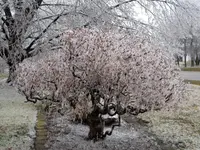
dwarf rose Care (Rosa gymnocarpa)

Also known as: Baldhip Rose, wood rose
dwarf rose

About dwarf rose

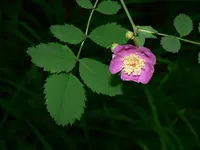
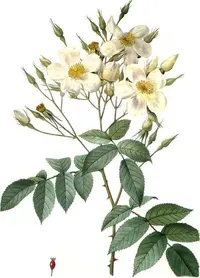
Rosa gymnocarpa, commonly called dwarf rose or baldhip rose, is a small, delicate wild shrub rose native to western North America. It typically forms open, airy thickets with slender stems, small leaflets, and single pink flowers followed by smooth, often nearly bald hips.

This species usually grows in woodlands, forest edges, and shaded slopes, which hints at its preference for light shade and reasonably moist, well-drained soil. It is generally hardy and low-maintenance once established, but its woodland origin means it dislikes very dry, exposed, or compacted sites.

Gardeners who learn how to care for dwarf rose can enjoy a subtle, naturalistic shrub that supports local wildlife without demanding intensive pruning or high-input care.

Main Plant Requirements

Care Difficulty

Moderate Care

Light Preference

Partial Shade

Water Requirements

Moderate Water

Temperature Preference

Cold Hardy

Hardiness Zone

5–9

Soil Texture

Loamy, Sandy, Rocky

Soil pH

Acidic (5.5–6.5), Slightly acidic (6.5–7.0)

Soil Drainage

Well-drained

Fertilization

Minimal (feed rarely)

Get Personalized Care Plan

Scan your plant to receive care tips personalized for your specific plant

Available on iOS and Android

How to Care for the dwarf rose

This native woodland rose prefers bright conditions with some protection from intense midday sun.

  • Provide 3–6 hours of direct morning or late-afternoon sun, with dappled or filtered shade during the strongest midday light.
  • Tolerates partial shade, especially in hotter regions, but flowering and fruiting decline if it receives less than about 3 hours of direct sun.
  • Avoid exposed all-day sun in hot, dry sites, which can scorch foliage; in summer, nearby shrubs or trees can offer ideal light levels for caring for dwarf rose.

Rosa gymnocarpa prefers evenly moist, well-drained soil that never stays saturated for long periods.

  • Water when the top 3–5 cm of soil feels dry, allowing deeper soil to remain slightly moist rather than fully drying out between waterings.
  • Increase monitoring during hot, windy weather; drooping leaves and dry, crumbly soil indicate thirst, while yellowing leaves and soft stems suggest overwatering.
  • Plant in soil enriched with organic matter and good drainage; avoid standing water around roots, especially in winter when evaporation is slow.

This species is adapted to cool to mild climates with distinct seasons and moderate summer heat.

  • Active growth is strongest around 55–75°F (13–24°C), with good vigor in cool spring and early summer conditions.
  • Hardy to about 0°F (−18°C) or slightly lower once established, tolerating typical winter frosts and brief cold snaps in many temperate regions.
  • Handles summer highs up to about 85–90°F (29–32°C) if soil moisture is maintained, but prolonged heat above this can stress plants and reduce flowering.

Humidity is not a major factor for Rosa gymnocarpa, which adapts well to typical outdoor conditions in most temperate regions.

Rosa gymnocarpa prefers moderately fertile, well-drained, slightly acidic to neutral soil with a loose, crumbly structure.

  • Use a loamy mix with roughly equal parts garden soil, coarse sand, and compost to balance drainage and moisture retention.
  • Aim for pH 6.0–7.0; add elemental sulfur for high-pH soils or a small amount of garden lime if soil is very acidic.
  • In heavy clay, incorporate coarse sand or fine gravel plus organic matter to improve aeration and reduce waterlogging risk.
  • Avoid compacted, waterlogged, or extremely sandy soils that either suffocate roots or dry out within hours after watering.

This species can be grown in containers outdoors if the pot supports its root depth and spreading habit.

  • Choose a deep, heavy container that resists tipping as the plant gains height and develops woody stems.
  • Use a wide pot to allow lateral root spread, which stabilizes the shrub and supports better top growth.
  • Select a thick-walled terracotta or concrete pot if summers are hot, as these materials buffer root-zone temperature and reduce rapid moisture swings.

Rosa gymnocarpa is a low-nutrient woodland rose that usually needs only modest feeding in the ground.

  • On poor soils, apply a thin layer of compost or well-rotted manure around the root zone once each spring.
  • For potted plants or dwarf rose forms, use a balanced slow-release fertilizer (around 10-10-10) at half strength in spring.
  • Avoid fertilizing after midsummer so new growth hardens before winter and reduces risk of cold damage.

Rosa gymnocarpa responds well to light, selective pruning that maintains a natural, airy shape.

  • Prune in late winter to early spring before new growth, using clean bypass pruners.
  • Remove dead, diseased, or crossing stems first, cutting back to healthy wood or a strong outward-facing bud.
  • Thin crowded interior shoots to improve airflow and reduce fungal problems while keeping an open, arching habit.
  • After flowering, lightly shorten overly long stems to control size without removing too many hips.

This wild rose is most often grown in the ground, so focus on careful transplanting rather than frequent repotting.

  • Transplant young plants in early spring or fall when temperatures are mild and soil is workable.
  • Choose a site with similar light and soil; move with a generous root ball to limit root disturbance.
  • Water deeply before and after transplanting, then keep soil evenly moist until new growth resumes.
  • Container plants need shifting only when roots circle the pot or growth slows, usually every 2–3 years.

Rosa gymnocarpa is commonly propagated by semi-hardwood cuttings and by seed for restoration or naturalistic plantings.

  • Take semi-hardwood cuttings in late summer, 10–15 cm long, and remove lower leaves.
  • Dip cut ends in rooting hormone, then insert into a moist, well-drained medium under high humidity and bright shade.
  • Sow cleaned seeds outdoors in fall so natural winter cold provides stratification that breaks dormancy.
  • Keep seed beds evenly moist and labeled, as germination may be slow and uneven the following spring.

This species is naturally cold hardy across much of its range and usually needs minimal winter care in the ground.

  • Apply a 5–8 cm mulch layer around the root zone in late fall, keeping it slightly back from the stems.
  • Avoid late-season nitrogen feeding so tissues harden off and tolerate freezing better.
  • For container plants, move pots into a sheltered, unheated area or heel them into the ground to prevent root freeze-thaw stress.

Care Tips

Woodland-style mulching

Apply a 3–5 cm layer of shredded leaf mold or fine bark around the root zone to mimic its native forest floor, keeping mulch a few cm away from stems to reduce rot and create a cool, evenly moist root environment.

Understory placement

Site plants beneath open-canopy trees or tall shrubs where they receive dappled light and shelter from hot afternoon sun and wind, which preserves foliage quality and supports more natural, arching growth.

Suckering colony control

Allow a limited number of root suckers to establish to form a loose thicket, but remove unwanted shoots by cutting them at the point of origin below soil level to keep paths, neighboring plants, and property lines clear.

Targeted wildlife support

Leave a portion of hips on the plant through winter to provide food for birds and small mammals, then remove remaining old hips and thin congested stems in late winter to maintain plant vigor and reduce disease carryover.

Gentle path edging

When using this species along trails, selectively tip-prune only the stems that snag clothing and flag small plants with unobtrusive markers during the first year so they are not damaged by foot traffic while establishing, which is especially helpful when growing dwarf rose in naturalistic plantings.

Common Pests and Diseases

Rose leafhopper

This pest feeds on the undersides of leaves, causing pale speckling, reduced vigor, and premature leaf drop in woodland stands. Symptoms include tiny white or yellow stippling and quick movement of small wedge-shaped insects when branches are disturbed.

Solution

Prune out heavily infested shoots and encourage natural predators by avoiding broad-spectrum insecticides nearby. For targeted control, use a strong water spray to dislodge nymphs, and if needed apply a low-impact insecticidal soap or neem oil to leaf undersides during the nymph stage, repeating every 7–10 days until activity drops.

Rose rust

This disease produces bright orange to rust-brown pustules on leaf undersides, often with yellowing on upper surfaces and premature leaf drop, especially in cool, moist coastal or forest-edge sites. Infected plants may show thin, weakened shoots and reduced flowering over time.

Solution

Remove and discard infected leaves and any severely affected stems to reduce spore load, and avoid overhead watering that keeps foliage wet. Improve air circulation by spacing plants and selectively thinning nearby vegetation, and in high-pressure areas consider applying a sulfur or other labeled rose rust fungicide in early spring when new foliage emerges.

Powdery mildew

This disease shows as white to gray powdery growth on young leaves, shoots, and flower stalks, which can cause leaf curling and reduced vigor under shaded, dry-to-moderate moisture conditions. Symptoms include distorted new growth and a dull, dusty look to foliage along forest margins and trail edges.

Solution

Prune out the most affected tips and any crowded interior stems to open the shrub to light and airflow. Avoid overhead watering in the evening, water at soil level, and in repeated problem sites use a labeled fungicide for powdery mildew on roses, applying preventively when new shoots start to elongate and conditions are warm with high humidity.

Rose sawfly larvae

These insects feed on leaf surfaces, skeletonizing the foliage and leaving only veins, which can make plants appear scorched and sparse. This pest is more noticeable on sunny edges of woodlands where larvae cluster on younger leaves in late spring to early summer.

Solution

Handpick larvae where practical and drop them into soapy water, and prune off localized clusters of damaged leaves. For broader infestations, use a strong water spray or apply insecticidal soap or horticultural oil thoroughly to leaf surfaces in late spring when young larvae first appear, repeating as needed while monitoring natural predators.

Botrytis blight

This disease can affect flowers, developing hips, and tender shoots, leading to soft gray mold, browning petals, and dieback of young stems during extended cool, wet periods. Symptoms include fuzzy gray fungal growth on spent flowers and shriveling of affected tissue.

Solution

Promptly remove and discard spent flowers, infected hips, and blighted shoot tips to limit inoculum, and avoid leaving pruned material on the ground. Improve airflow and light penetration by thinning nearby vegetation, and in persistently wet, high-risk sites consider a preventive application of a labeled Botrytis fungicide at the start of cool, rainy seasons.

Interesting Facts

Spineless rose hips

This species often lacks the persistent sepals that many roses keep on their hips, giving the fruit a smooth, “naked” appearance that inspired the name gymnocarpa, meaning naked fruit.

Shade-tolerant forest rose

Rosa gymnocarpa commonly grows in the understory of coniferous and mixed forests in western North America, showing an unusual shade tolerance for a wild rose that often allows it to thrive beneath tree canopies.

Early-season insect resource

Its relatively early and prolonged blooming period in late spring to early summer provides nectar and pollen for a range of native bees, flies, and other pollinators during a key resource window in Pacific coast forests.

Botan icon

Did you know?

In many western North American forests, the fine, twiggy structure and modest height of Rosa gymnocarpa help it act as a living snow trap, holding light snow near the ground and subtly influencing soil moisture patterns as that snow melts in spring.

FAQs about dwarf rose

Lack of flowers often results from insufficient light, nutrient imbalance, or old, unpruned wood. Remove spent blooms, lightly prune to stimulate new shoots, and ensure balanced fertilization rather than high-nitrogen formulas that only promote leafy growth.

Grow Healthy Plants with Botan Care

Keep your plants happy and healthy with plant identification, disease detection, and easy care guidance.

Botan plant care app — identify plants on mobile

Explore More Plants