wild comfrey Care (Andersonglossum virginianum)

wild comfrey

About wild comfrey

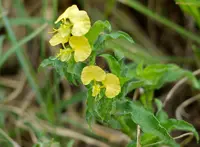
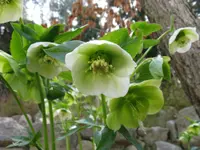
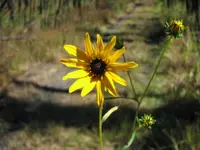
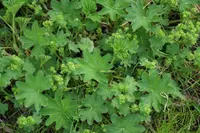
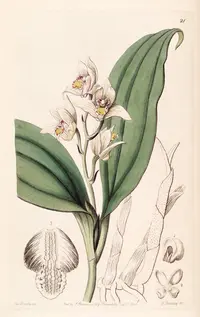
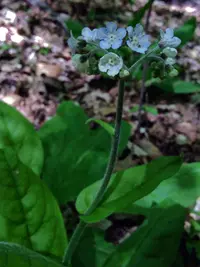
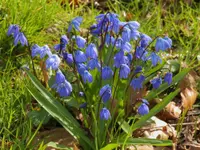
Wild comfrey, Andersonglossum virginianum, is a perennial woodland plant native to eastern North America. It typically forms upright clumps with rough, hairy leaves and tall flowering stems. In spring to early summer, it produces small, tubular white to pale blue flowers that attract bees and other pollinators. The plant often grows in open woods, shaded slopes, and along forest edges. It is generally hardy and long-lived once established, but can be slow to establish from seed and does not like being moved. Wild comfrey prefers partial shade, consistent moisture, and well-drained, humus-rich soil, which guides how to care for wild comfrey in gardens.

Main Plant Requirements

Care Difficulty

Easy Care

Light Preference

Partial Shade

Water Requirements

Moderate Water

Temperature Preference

Cold Hardy

Hardiness Zone

4–8

Soil Texture

Loamy, Silty, Organic-rich

Soil pH

Acidic (5.5–6.5), Slightly acidic (6.5–7.0)

Soil Drainage

Moist but well-drained

Fertilization

Minimal (feed rarely)

Get Personalized Care Plan

Scan your plant to receive care tips personalized for your specific plant

Available on iOS and Android

How to Care for the wild comfrey

This woodland perennial prefers bright, indirect light similar to a light forest edge.

  • Provide 3–5 hours of gentle morning sun with dappled or filtered shade in the afternoon to protect foliage from scorch.
  • Tolerates partial shade and can grow under open deciduous canopies, but flowering of wild comfrey is stronger with some direct morning light.
  • Avoid harsh, all-day sun, especially in summer; in hotter regions, shift exposure toward more shade from midday through late afternoon.

This species prefers consistently moist, well-drained soil without prolonged drying or waterlogging.

  • Water when the top 2–4 cm of soil feels dry, aiming for evenly damp but not saturated soil in the root zone.
  • Increase watering during active spring–early summer growth and dry spells, then reduce slightly once flowering tapers and rainfall increases.
  • Watch for yellowing, limp leaves as a sign of waterlogged soil and crisp, drooping foliage as a sign Andersonglossum virginianum is too dry.

This hardy native is adapted to temperate climates with cold winters and mild to warm summers.

  • Active growth is strongest around 60–75°F (16–24°C), typical of spring and early summer woodland conditions.
  • Plants tolerate down to about 0°F (-18°C) in the ground with mulch, dying back to roots and resprouting in spring.
  • Heat tolerance extends to about 85–90°F (29–32°C) if soil stays moist and roots are shaded; prolonged hotter, dry periods can reduce vigor and flowering.

This woodland perennial handles a wide humidity range and rarely needs special adjustment outdoors.

This species prefers loose, humus-rich woodland soil that stays evenly moist but never waterlogged.

  • Use a loamy mix with high organic matter, such as garden loam blended with leaf mold or compost.
  • Ensure drainage by avoiding heavy, compacted clay; incorporate leaf mold, fine bark, or coarse sand to open the structure.
  • Aim for slightly acidic to neutral conditions around pH 6.0–7.0 for best nutrient availability.
  • Avoid sites that collect standing water or dry out to hard, cracked ground, as both stress Andersonglossum virginianum and reduce vigor.

This plant is only moderately suitable for container growing, mainly for short-term display or nursery staging.

  • Choose a deep container to accommodate its taproot and prevent the root system from coiling tightly near the base.
  • Use a heavier, stable pot if placed outdoors so wind and tall foliage do not tip the container.
  • Combine moisture-retentive compost with coarse mineral grit so the mix stays evenly damp but drains freely after rain or watering.

Andersonglossum virginianum usually needs minimal feeding, especially when grown in reasonably fertile garden soil.

  • On poor soils, apply a light layer of compost or well-rotted leaf mold in early spring to support growth.
  • If using a balanced NPK granular fertilizer (such as 10-10-10), use a low dose once in spring only.
  • Avoid mid-summer and fall feeding to prevent soft, frost-tender growth and to respect its native, low-input habit.
  • For wild comfrey in containers, use a half-strength balanced liquid fertilizer every 4–6 weeks during active growth only.

Pruning needs for Andersonglossum virginianum are modest and mainly focused on cleanup rather than shaping.

  • Cut back spent flowering stems after bloom in late spring or early summer to maintain a tidy clump.
  • Remove dead, damaged, or diseased leaves at ground level using clean, sharp hand pruners.
  • Thin out congested stems lightly to improve air flow if foliage remains too dense.
  • Avoid cutting into the crown during the growing season to reduce stress and preserve next year’s growth points.

This species is more often established in garden beds than kept in containers, so focus on careful transplanting rather than frequent repotting.

  • Transplant in early spring or early fall when temperatures are mild and soil is evenly moist.
  • Move plants only when necessary, since deep, somewhat taprooted systems resent disturbance and may sulk afterward.
  • Choose a site with similar light and soil, planting at the same depth and watering thoroughly to settle soil around roots.
  • Minimize root stress by lifting with a generous soil ball, handling roots gently, and shading plants for a few days after transplanting.

Propagation of Andersonglossum virginianum is usually done from seed, with division attempted only on established, vigorous clumps.

  • Collect seeds when fruits darken and dry, then sow fresh in fall outdoors for natural cold stratification.
  • Use a gritty, well-drained seed mix, keeping it evenly moist but not waterlogged until germination in spring.
  • If refrigeration stratification is needed, store moist seed at 35–40°F for 8–12 weeks before spring sowing.
  • Attempt division only in early spring, splitting large clumps with a sharp spade and replanting divisions promptly at original depth.

This native perennial is cold hardy across much of its range and usually needs little active winter care in the ground.

  • After frost blackens foliage, allow stems to die back naturally, then cut to ground level once fully dry.
  • Apply a light 3–5 cm layer of organic mulch around the crown in late fall to stabilize soil temperature.
  • For container-grown plants in colder zones, move pots into an unheated garage or cold frame to reduce freeze–thaw stress.

Care Tips

Mark Dormant Clumps

Flag plant locations in late summer with durable markers so dormant crowns are not accidentally disturbed by autumn or spring soil work or mulching.

Encourage Self‑Seeding

Leave some mature seed heads on the plant and avoid heavy mulch directly under the stems so seedlings can establish naturally in a loose, lightly disturbed soil surface.

Root Zone Protection

Place a 5–8 cm ring of leaf mold or shredded hardwood mulch around, but not touching, the crowns to protect shallow roots from freeze–thaw cycles and soil compaction.

Gentle Woodland Weeding

Hand-weed around plants using a narrow trowel or hori-hori knife, sliding the blade parallel to the soil surface to avoid cutting the perennial crown and young feeder roots.

Wildlife-Safe Management

When caring for wild comfrey in naturalized beds, avoid broad-spectrum insecticides and instead use spot hand-picking of pests and targeted slug barriers to protect pollinators and other beneficial insects.

Common Pests and Diseases

Leaf spot fungi

This disease shows as irregular brown to black spots on leaves, sometimes with a pale halo and early yellowing. Symptoms include thinning foliage on stressed plants growing in dense, shaded, or very damp sites.

Solution

Remove and discard badly spotted leaves to reduce spore spread, and avoid overhead watering so foliage dries quickly. Improve air circulation by thinning nearby vegetation, and if the plant is in a garden setting with recurring issues, consider a labeled copper or chlorothalonil fungicide applied according to directions in early spring as new leaves emerge.

Rust

This disease produces small orange to brown pustules on the undersides of leaves, often with pale or yellow areas on the upper surface. Symptoms include premature leaf drop on plants growing in crowded, humid woodland edges or shaded beds.

Solution

Prune out and dispose of affected leaves and stems as soon as rust is noticed, and keep the planting area clear of plant debris through the season. Improve airflow and reduce prolonged leaf wetness; in sites with a history of rust, a preventive application of a labeled rust fungicide in early spring can help protect new growth as part of Andersonglossum virginianum care.

Aphids

These insects cluster on young stems and leaf undersides, sucking sap and causing curling or distortion of new growth. This pest also leaves sticky honeydew that can attract ants or support sooty mold growth on nearby surfaces.

Solution

Wash aphids off foliage with a firm stream of water, repeating every few days until numbers drop. For persistent colonies, treat tender growth with insecticidal soap or a light horticultural oil, applied in the early morning or evening to avoid leaf burn and to protect beneficial insects as much as possible.

Leaf beetles

These insects chew small to medium round holes in leaves, giving foliage a shot‑holed or ragged appearance. Damage is usually cosmetic but can become noticeable on plants in open, sunny sites with high beetle activity.

Solution

Handpick adult beetles into soapy water where practical and remove badly damaged leaves to reduce feeding sites. Encourage natural predators, avoid broad‑spectrum insecticides that harm beneficial insects, and if damage is severe in a garden setting, use a targeted spinosad or pyrethrin product applied only to infested foliage according to label directions.

Powdery mildew

This disease appears as a white to gray powdery coating on upper leaf surfaces, sometimes leading to distorted or prematurely yellowing leaves in shaded, still, or overcrowded plantings. Symptoms include reduced vigor when infections are heavy and persistent through the season.

Solution

Thin surrounding vegetation to increase light and airflow, and remove heavily infected leaves to reduce the amount of fungal spores present. If powdery mildew recurs in garden plantings, apply a labeled fungicide such as potassium bicarbonate, sulfur, or a horticultural oil at the first sign of the white coating, ensuring thorough coverage of both upper and lower leaf surfaces.

Interesting Facts

Boraginaceae family traits

This species belongs to the borage family and shows the typical rough, bristly hairs on its leaves and stems, which discourage many herbivores from feeding on it.

Spring woodland specialist

It is native to eastern North American woodlands and often grows in partial shade on rich, rocky or loamy slopes, where it flowers in late spring before the canopy fully closes.

Elaiosome-bearing seeds

The seeds carry small, nutrient-rich structures called elaiosomes that attract ants, which then transport and disperse the seeds, a process known as myrmecochory.

FAQs about wild comfrey

This species spreads slowly by seed and short rhizomes, not as aggressively as true comfrey. In average garden conditions it usually forms loose clumps. In rich, undisturbed soil it can naturalize, so monitor unwanted seedlings.

Grow Healthy Plants with Botan Care

Keep your plants happy and healthy with plant identification, disease detection, and easy care guidance.

Botan plant care app — identify plants on mobile

Explore More Plants