pale evening primrose Care (Oenothera pallida)

pale evening primrose

About pale evening primrose

Pale evening primrose, Oenothera pallida, is a short-lived perennial wildflower native to dry regions of western North America. It often grows in open deserts, grasslands, and sandy roadsides.

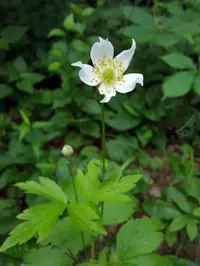
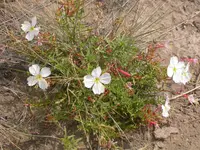
The plant forms low clumps of narrow gray-green leaves and slender stems topped with pale white to soft pink, night-opening flowers that fade by morning. Flowers have a light fragrance and attract moths and other nocturnal pollinators.

This species is adapted to drought, poor soils, and high light, which generally makes it undemanding in low-rainfall gardens. Those who want to learn how to care for pale evening primrose should focus on providing sun, fast-draining soil, and avoiding overwatering.

Main Plant Requirements

Care Difficulty

Easy Care

Light Preference

Full Sun

Water Requirements

Low Water

Temperature Preference

Cold Hardy

Hardiness Zone

4–8

Soil Texture

Sandy, Loamy, Rocky

Soil pH

Slightly acidic (6.5–7.0), Neutral (7.0)

Soil Drainage

Well-drained

Fertilization

Minimal (feed rarely)

Get Personalized Care Plan

Scan your plant to receive care tips personalized for your specific plant

Available on iOS and Android

How to Care for the pale evening primrose

This drought-adapted perennial thrives in open, bright sites with strong sun exposure.

  • Provide 6–10 hours of direct sun daily; full sun promotes compact growth and abundant flowers on pale evening primrose.
  • In very hot regions, give light afternoon shade or filtered light after 3–4 p.m. to reduce leaf scorch and premature wilting.
  • Plants in more than 3–4 hours of dense shade grow leggy, flower poorly, and may flop, especially during cool, low-light seasons.

This species prefers dry to moderately dry soil and is sensitive to chronic moisture.

  • Water only when the top 5–7 cm of soil is completely dry; in typical garden beds this often means deep watering every 7–14 days in summer.
  • Aim for fast-draining, sandy or gravelly soil so water never pools around the crown; Oenothera pallida is prone to root rot in heavy, soggy ground.
  • Reduce watering sharply in cool or rainy seasons; shriveled, limp leaves indicate underwatering, while yellowing and mushy stems suggest overwatering.

This hardy perennial tolerates a wide temperature range but flowers best in moderate warmth.

  • Optimal active growth and flowering occur around 65–85°F (18–29°C), with strong performance in typical spring and early summer conditions.
  • Established plants usually survive down to about 0°F (−18°C) in well-drained soil, though young plants benefit from mulch in colder winters.
  • Heat tolerance extends to about 95–100°F (35–38°C) if soil is dry to slightly dry and roots are not waterlogged, but extreme heat can shorten bloom duration.

Humidity is not a significant factor for Oenothera pallida, which is adapted to arid, low-humidity environments.

Oenothera pallida prefers lean, well-drained, sandy or gravelly soil that mimics its native dry habitats.

  • Use a mix of 50–70% coarse sand or fine gravel with the rest a light, low-organic potting soil.
  • Aim for a slightly alkaline to neutral pH of about 7.0–8.0, avoiding highly acidic mixes.
  • Ensure very rapid drainage by avoiding heavy clay and peat-rich substrates that hold water for long periods.
  • Improve aeration and prevent compaction by blending in mineral grit such as pumice or small gravel pieces.

This species can be grown in containers if the setup mimics dry, fast-draining conditions.

  • Choose a deep, narrow container to accommodate the taproot while limiting excess wet substrate near the crown.
  • Use a heavy, stable pot or add gravel to the bottom layer to prevent tipping from tall flowering stems.
  • Raise the container slightly on pot feet or bricks so gravity can clear drainage holes quickly after rain or watering.

This drought-adapted wildflower needs only light feeding in poor soils; many established plants grow well with no fertilizer.

  • In lean garden soils, apply a thin layer of compost around pale evening primrose once in spring.
  • If using granular slow-release fertilizer, choose a balanced NPK (such as 10-10-10) and apply at half the label rate.
  • Avoid feeding during winter dormancy; excess nutrients encourage weak, floppy growth in this species.

Pruning Oenothera pallida is mainly used to tidy plants and support compact, floriferous growth.

  • In late winter or very early spring, remove dead or winter-damaged stems with clean bypass pruners.
  • Shear back spent flower stems by one-third after blooming to encourage a neater mound and occasional rebloom.
  • Thin crowded or sprawling stems at the base to improve air movement and reduce disease risk.
  • Avoid hard cutting into woody bases; retain healthy green growth to sustain vigor.

This species is usually grown in-ground, so care focuses on thoughtful transplanting rather than frequent repotting.

  • Transplant in early spring or early fall when temperatures are mild and soil is workable.
  • Choose sunny, well-drained sites; avoid moving plants unless roots circle a pot or growth declines in containers.
  • Dig wide, shallow holes to keep the taproot as intact as possible and minimize disturbance.
  • Water thoroughly after transplanting, then keep soil lightly moist for 1–2 weeks to reduce transplant shock.

Oenothera pallida is most commonly propagated from seed, with division used sparingly on older clumps.

  • Sow ripe seed outdoors in fall or early spring; natural cold stratification improves germination.
  • Use a very well-drained, sandy mix and keep it just barely moist until seedlings appear.
  • Thin or prick out seedlings once they form several true leaves, handling the taproot gently.
  • On mature clumps, divide in early spring, ensuring each division has a healthy root portion and several buds.

This perennial is generally cold hardy in much of the US and usually needs minimal winter care once established.

  • In regions with severe freezes, apply a light 2–5 cm mulch after the ground cools to buffer root temperature.
  • Avoid heavy, wet mulches that can trap moisture and promote crown rot.
  • For container plants, move pots to a sheltered, unheated area to prevent repeated freeze–thaw of the root ball.

Care Tips

Encourage Deep Roots

In the first growing season, allow the soil surface to dry slightly deeper between waterings to encourage a strong taproot that will improve drought tolerance in later years.

Support In Windy Sites

In exposed, windy locations, place low, unobtrusive pegs or small rocks around young plants to keep stems from rocking, which helps prevent root disturbance and improves establishment.

Gravel Mulch Band

Apply a 2–5 cm band of light-colored gravel or coarse sand around the crown instead of organic mulch to keep stems dry, reduce crown rot risk, and mimic the plant’s native, well-drained habitat.

Timed Flower Deadheading

If self-seeding is a concern, cut off spent flower spikes before seed capsules swell, but leave a few late-season flowers to set seed if you want a controlled amount of natural regeneration when growing pale evening primrose.

Targeted Aphid Control

For aphids on buds and stems, use a strong water spray in the morning to knock them off, then spot-treat persistent colonies with insecticidal soap, avoiding treatments when flowers are open and pollinators are active.

Common Pests and Diseases

Flea beetles

These insects chew many tiny round holes in leaves, often giving foliage a shot‑holed or lace‑like appearance and slowing growth in young plants.

Solution

Use floating row covers to protect young plants, remove nearby weeds that host beetles, and apply a targeted spinosad or pyrethrin product in the evening if damage is heavy, following the label carefully. Keeping plants well watered but not waterlogged helps them outgrow moderate feeding.

Aphids

These insects cluster on tender stems and buds, sucking sap and causing curling or distortion of new growth while leaving sticky honeydew that can attract sooty mold.

Solution

Spray plants with a firm stream of water to knock aphids off, then use insecticidal soap or a light horticultural oil, coating stems and leaf undersides. Control nearby ants that protect aphids, and remove heavily infested shoots if populations stay high.

Spider mites

This pest thrives in hot, dry conditions, causing fine stippling on leaves, dull foliage color, and sometimes light webbing on stems and buds.

Solution

Increase humidity around plants with occasional overhead rinsing, then wash foliage thoroughly to remove mites. If needed, apply insecticidal soap or a light horticultural oil every 5–7 days for several cycles, ensuring good coverage of the undersides of leaves.

Rust

This disease produces small yellow to orange pustules on leaf undersides, with yellowing or premature leaf drop in severe cases, especially when foliage stays damp.

Solution

Remove and discard infected leaves and any plant debris around the base to reduce spore levels. Water at soil level, improve spacing and airflow, and if outbreaks are recurrent, use a labeled sulfur or chlorothalonil fungicide early in the season according to product directions as part of broader Oenothera pallida care instructions.

Powdery mildew

This disease appears as a white to gray powdery film on leaves and stems, which can lead to distorted growth and reduced flowering under prolonged stress.

Solution

Thin crowded stems and nearby plants to increase airflow, avoid overhead watering in the evening, and remove badly affected leaves. For ongoing issues, apply a labeled potassium bicarbonate, sulfur, or horticultural oil product at the first sign of infection, repeating as directed on the label.

Interesting Facts

Desert night bloomer

This pale evening primrose opens its large, white flowers at dusk and often closes or withers by the following morning, an adaptation to hot, arid habitats where daytime heat would quickly damage the blossoms.

Specialist moth partner

The species is pollinated primarily by nocturnal moths with long proboscises that can reach nectar deep in the floral tube, making it an important component of night-active pollinator networks in western North American deserts.

Color-shifting petals

Fresh flowers are usually white to very pale pink, but the petals often age to deeper pink tones, which may help signal to pollinators that older flowers offer less nectar or pollen.

Botan icon

Did you know?

Genetic studies show that pale evening primrose has been used as a model taxon in research on plant mating systems, because different populations can vary from largely outcrossing to more self-compatible, providing insight into how reproductive strategies evolve in arid environments.

FAQs about pale evening primrose

This species can self-seed and form small colonies but is not usually aggressively spreading in typical garden conditions. Remove spent seed pods before they shatter if you want to limit its spread and keep tighter clumps.

Grow Healthy Plants with Botan Care

Keep your plants happy and healthy with plant identification, disease detection, and easy care guidance.

Botan plant care app — identify plants on mobile

Explore More Plants