


Provide light staking
Install thin canes or twiggy branches when plants are 10–15 cm tall so stems can sway but not lodge in wind, which keeps blooms upright and reduces breakage in rain or irrigation.

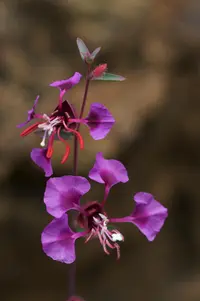
Elegant clarkia (Clarkia unguiculata) is an upright, branching annual wildflower grown mainly for its airy, colorful summer blooms. It forms slender stems with narrow leaves and multiple cup-shaped flowers in shades of pink, lavender, and white.
This species is native to California, where it occurs in open woodlands and grasslands, often thriving in well-drained, slightly dry sites. It is usually easy to grow from seed and adapts well to garden beds and naturalistic plantings.
Plants prefer full sun, light to moderate moisture, and soil that drains freely. Simple steps on how to care for elegant clarkia focus on avoiding wet, heavy soils and strong root disturbance.

Care Difficulty
Moderate Care

Light Preference
Full Sun

Water Requirements
Moderate Water

Temperature Preference
Cool Climate

Hardiness Zone
3–9

Soil Texture
Sandy, Loamy, Organic-rich

Soil pH
Acidic (5.5–6.5), Slightly acidic (6.5–7.0)

Soil Drainage
Well-drained

Fertilization
Minimal (feed rarely)
Scan your plant to receive care tips personalized for your specific plant
Available on iOS and Android
This annual prefers bright outdoor conditions that balance strong light with protection from harsh extremes.
This species prefers evenly moist, well-drained soil rather than frequent shallow watering.
This cool-season annual grows best in mild conditions without temperature extremes.
This species tolerates a wide humidity range and usually does not need special humidity management outdoors.
Clarkia unguiculata prefers light, well-structured soil that drains quickly yet does not dry out instantly.
This species can be grown successfully in containers when given enough root space and stable drainage.
Clarkia unguiculata is a light feeder that grows well in average, not overly rich, soil.
Light pruning supports tidy growth and consistent flowering in Clarkia unguiculata.
This annual is usually direct-sown, so transplanting Clarkia unguiculata requires gentle handling to avoid root stress.
Most gardeners grow Clarkia unguiculata from seed, as vegetative methods are not practical for this annual species.
As a cool-season annual, elegant clarkia usually finishes its life cycle before hard winter and needs minimal winter care.

Plant Health Check
Not sure what's wrong with your plant? Check your plant's health inside the app.
The long, clawed petal bases fit the mouthparts of native solitary bees in California, which guides these insects directly to the nectar and pollen and improves pollination efficiency.
This annual species is naturally found in dry, open slopes and chaparral in California, where it completes its life cycle before the hottest, driest part of summer arrives.
Each flower has four narrow, claw-like petal bases that flare into broader tips, creating the delicate, airy look that many gardeners value when growing elegant clarkia.

Clarkia unguiculata was first described scientifically in the early 19th century from California material and later became a classic example in botany texts for illustrating clawed petals, which is reflected in its species name unguiculata, meaning “with little claws” in Latin-based botanical terminology.
Poor flowering often comes from sowing too late, overcrowded plants, or excessive nitrogen fertilizer, which pushes leaves over buds. Stress from heat spikes or root disturbance also reduces bud formation and can cause buds to drop before opening.
Keep your plants happy and healthy with plant identification, disease detection, and easy care guidance.

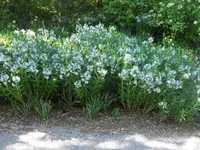
fringed bluestar
Amsonia ciliata
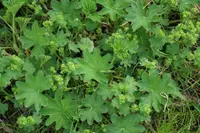
broadtooth lady's mantle
Alchemilla subcrenata
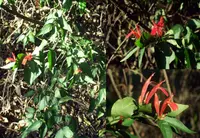
Justicia brasiliana
Justicia brasiliana
star jasmine
Jasminum multiflorum
Black Eyed Susan
Rudbeckia fulgida var. sullivantii 'Goldsturm'
Hairy dog-rose
Rosa corymbifera
longflower tube tongue
Justicia longii
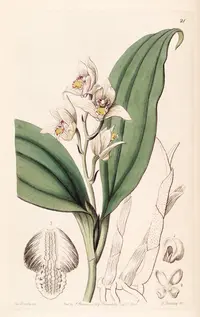
Eria coronaria
Eria coronaria