Rhizome Containment
Install a 20–30 cm deep root barrier or plant in a large bottomless container sunk into the ground to keep the spreading rhizomes from invading nearby beds while still allowing a strong clump to form.

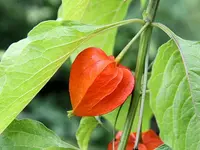
Japanese-lantern, Alkekengi officinarum, is a herbaceous perennial grown mainly for its bright orange, papery husks that surround small berries, resembling hanging lanterns. It forms low clumps and spreads by underground stems, so it can naturalize and slowly take over a planting area if not managed. Native to parts of Europe and Asia, it is often used in temperate gardens and dried-flower arrangements rather than as a long-term indoor plant. It prefers sun to light shade, moderately moist, well-drained soil, and benefits from some protection from very harsh conditions. Understanding how to care for Japanese-lantern starts with controlling its spread and giving it the right light and soil.

Care Difficulty
Easy Care

Light Preference
Full Sun

Water Requirements
Moderate Water

Temperature Preference
Cold Hardy

Hardiness Zone
3–9

Soil Texture
Sandy, Loamy, Organic-rich

Soil pH
Acidic (5.5–6.5), Slightly acidic (6.5–7.0)

Soil Drainage
Moist but well-drained

Fertilization
Minimal (feed rarely)
Scan your plant to receive care tips personalized for your specific plant
Available on iOS and Android
This perennial prefers bright outdoor conditions with some protection from intense midday sun.
This plant prefers evenly moist but not saturated soil throughout the growing season.
This hardy perennial tolerates a wide temperature range but grows best in moderate conditions.
This species handles a wide humidity range and usually does not need special humidity management outdoors.
Alkekengi officinarum grows best in loose, moisture-retentive but well-drained ground.
This species is suitable for container growing, especially where spread must be controlled.
Alkekengi officinarum grows well in moderately fertile soil and benefits from light feeding during the active season.
Alkekengi officinarum responds well to light, timely pruning that maintains vigor and flower display.
This plant is usually grown in the ground, where it spreads by rhizomes and needs only occasional transplanting or division.
Alkekengi officinarum is commonly propagated by division, rhizome pieces, or seeds collected from ripe lanterns.
This species is generally cold hardy in temperate climates and needs minimal winter care once established.

Plant Health Check
Not sure what's wrong with your plant? Check your plant's health inside the app.
After flowering, the sepals of this species enlarge and fuse into a papery, lantern-like calyx that fully encloses the berry, a structure that helps protect the fruit from herbivores and harsh weather while it ripens.
The ripe orange berry is edible and contains carotenoid pigments, but the leaves and unripe green fruits contain higher levels of tropane alkaloids and other toxic compounds and should not be consumed.
The bright orange color of the lantern and berry is due to carotenoids such as beta-carotene and physalins, which act as antioxidants and help protect plant tissues from photo-oxidative damage in strong light.

This species has been depicted in European art since at least the Middle Ages, where the distinctive orange lanterns often appeared in still-life paintings and herbals as visual markers of late summer and autumn, making it one of the more easily recognizable Solanaceae in historical illustrations.
This species spreads via underground rhizomes and self-seeding. In suitable climates it can form dense patches and become troublesome. Use root barriers, containers, or regular digging of runners to keep it within a defined area.
Keep your plants happy and healthy with plant identification, disease detection, and easy care guidance.