Root zone mulching
Apply a 5–8 cm layer of coarse, woody mulch in a wide ring around the drip line to keep roots cooler, suppress weeds, and reduce evaporation without touching the trunk base.

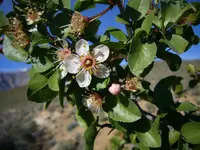
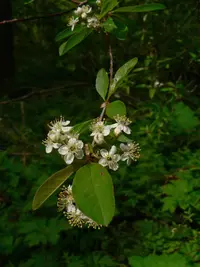
Desert apricot, Prunus fremontii, is a small deciduous shrub or tree native to dry, rocky areas of the southwestern United States and northern Mexico. It typically forms an open, twiggy structure with small leaves and showy white to pale pink spring blossoms.
The plant produces small yellow fruits that feed wildlife and occasionally people, though fruit size and quality vary. Its natural drought tolerance and ability to handle poor, gravelly soils make it well suited to low-water landscapes.
Gardeners who care for desert apricot should note that it prefers full sun, dry air, and well-drained soil, and does not thrive in humid or waterlogged conditions.

Care Difficulty
Moderate Care

Light Preference
Full Sun

Water Requirements
Low Water

Temperature Preference
Warm Climate

Hardiness Zone
8–10

Soil Texture
Sandy, Loamy, Rocky

Soil pH
Slightly acidic (6.5–7.0), Slightly alkaline (7.0–7.5)

Soil Drainage
Well-drained

Fertilization
Minimal (feed rarely)
Scan your plant to receive care tips personalized for your specific plant
Available on iOS and Android
This desert shrub thrives in strong sun but benefits from some seasonal adjustment of exposure.
This species is highly drought-tolerant and prefers infrequent, deep watering once established.
This desert shrub is adapted to hot, dry climates with cool to mild winters.
This desert shrub tolerates very low humidity and usually needs no special humidity management outdoors.
This species thrives in dry, rocky sites with very fast-draining, mineral soils.
This species is marginally suitable for container growing and performs best in large, outdoor tubs with very sharp drainage.
This desert Southwest native usually needs minimal feeding, especially in the ground.
Prunus fremontii benefits from light, focused pruning to maintain structure and health.
This desert shrub or small tree is usually grown in the ground but may start in containers before transplanting.
Prunus fremontii is typically propagated from seed, which is slow but practical for this species.
This species is relatively cold hardy in its native range and generally needs little winter care in the ground.

Plant Health Check
Not sure what's wrong with your plant? Check your plant's health inside the app.
This species is native to arid parts of the southwestern US and northwestern Mexico, where it thrives on rocky, well-drained slopes and washes with very low rainfall.
It produces small, fragrant white to pale yellow flowers in late winter to early spring, providing one of the earliest nectar and pollen sources for native bees and other pollinators in desert habitats.
The small yellow fruits are technically drupes, with a single hard stone inside, and have been traditionally collected and eaten fresh or dried by Indigenous communities for their tart, apricot-like flavor.

This species is considered a keystone shrub in some desert scrub communities because its dense branching and early leaf-out create important shelter and microhabitats for birds, insects, and small mammals during harsh, dry seasons.
The small yellow fruits are edible and were traditionally eaten fresh, dried, or ground into meal. Flavor is tart to mildly sweet. Only the ripe fruit is used; avoid consuming leaves, bark, or large quantities of seeds.
Keep your plants happy and healthy with plant identification, disease detection, and easy care guidance.