Trunk training stakes
During the first 2–3 years, use 1–2 sturdy stakes and soft, wide ties to keep the young trunk straight and stable, adjusting ties each season so they do not rub or constrict the bark as the tree thickens.

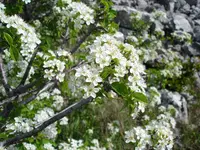
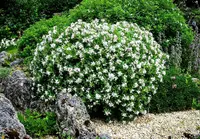
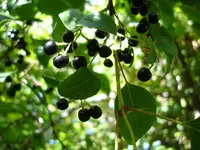
Mahaleb cherry, Prunus mahaleb, is a small deciduous tree or large shrub grown for its fragrant white spring blossoms and small dark fruits. It often develops a rounded crown with fine, twiggy branches and attractive, flaky bark.
This species is native to central and southern Europe, North Africa, and western Asia, where it commonly grows on dry, rocky slopes and open scrub. It is valued as a hardy rootstock and ornamental, since it tolerates poor, alkaline, and shallow soils.
Prunus mahaleb prefers full sun, well-drained soil, and moderate moisture, and it handles urban conditions and drought better than many cherries. These traits usually make it straightforward to care for Mahaleb cherry in typical garden settings.

Care Difficulty
Moderate Care

Light Preference
Full Sun

Water Requirements
Moderate Water

Temperature Preference
Cold Hardy

Hardiness Zone
5–8

Soil Texture
Sandy, Loamy, Rocky

Soil pH
Slightly acidic (6.5–7.0), Slightly alkaline (7.0–7.5)

Soil Drainage
Well-drained

Fertilization
Minimal (feed rarely)
Scan your plant to receive care tips personalized for your specific plant
Available on iOS and Android
This sun-loving species performs best in open, bright conditions.
This species prefers evenly moist but never waterlogged soil once established outdoors.
This hardy tree tolerates a wide range of outdoor temperatures in temperate climates.
This species is adapted to dry, continental climates, so indoor humidity control is usually unnecessary.
Prunus mahaleb prefers moderately fertile, well-drained mineral soils that do not stay wet for long.
This species can be grown in containers for a limited period, mainly as a young tree or patio specimen.
Mahaleb cherry is adapted to lean soils and needs only modest feeding in gardens or landscapes.
Prunus mahaleb responds well to thoughtful pruning that maintains structure and supports flowering.
This species is usually field-grown and transplanted young rather than kept long term in containers.
Prunus mahaleb is most often propagated from seed for rootstock production and wildlife or landscape use.
This hardy cherry tolerates typical temperate winters and usually needs minimal intervention once established.

Plant Health Check
Not sure what's wrong with your plant? Check your plant's health inside the app.
The stones and kernels of Mahaleb cherry release a strong bitter-almond aroma due to cyanogenic glycosides that can generate small amounts of benzaldehyde when crushed and processed.
In several Eastern Mediterranean and Middle Eastern cuisines, finely ground mahaleb kernels are used in small quantities as a baking spice to flavor breads and pastries with a distinctive bitter-sweet, nutty note.
This species is especially well adapted to dry, lime-rich (calcareous) soils and rocky slopes, where it often outcompetes less tolerant woody plants and forms part of open woodland and scrub communities.

Mahaleb cherry has been widely used in Europe as a rootstock for sweet and sour cherries because it imparts good drought tolerance and induces a smaller, more manageable tree size, which is valuable in orchard management.
Lack of flowers usually comes from too much shade, heavy pruning at the wrong time, or nutrient imbalance, especially excess nitrogen. Ensure strong light, prune only after flowering, and use a balanced, moderate fertilizer to support bud formation.
Keep your plants happy and healthy with plant identification, disease detection, and easy care guidance.