skunkbush sumac Care (Rhus trilobata)

Also known as: three-leaf sumac, skunkbrush, lemonadebush, squawbush, skunk bush, basket bush
skunkbush sumac

About skunkbush sumac

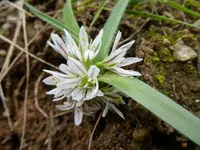
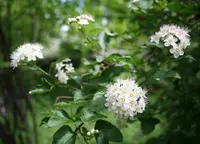
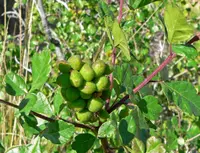
Skunkbush sumac (Rhus trilobata) is a tough, deciduous shrub native to dry slopes, canyons, and prairies across western and central North America. It forms dense thickets with many stems, small three-lobed leaves, and clusters of red berries that persist into winter. In autumn the foliage often turns bright shades of red and orange, adding strong seasonal color in naturalistic landscapes. This species tolerates drought, poor soils, and temperature extremes, so it is generally easy to establish once rooted. It grows best in full sun and well-drained soil, which is important to understand when learning how to care for skunkbush sumac.

Main Plant Requirements

Care Difficulty

Easy Care

Light Preference

Full Sun

Water Requirements

Low Water

Temperature Preference

Cold Hardy

Hardiness Zone

4–9

Soil Texture

Sandy, Loamy, Rocky

Soil pH

Slightly acidic (6.5–7.0), Slightly alkaline (7.0–7.5)

Soil Drainage

Well-drained

Fertilization

Minimal (feed rarely)

Get Personalized Care Plan

Scan your plant to receive care tips personalized for your specific plant

Available on iOS and Android

How to Care for the skunkbush sumac

This drought-tolerant shrub prefers abundant sun to develop dense growth and strong color.

  • Provide full sun for 6–8 hours per day; it also handles light afternoon shade, especially in hotter regions.
  • In partial shade (3–5 hours sun), expect looser growth and reduced fall color for skunkbush sumac, but the plant usually remains healthy.
  • Avoid dense shade, which leads to weak, leggy stems; in very hot, reflective sites, protect young plants from harsh late-afternoon sun during the first 1–2 summers.

This species is adapted to dry conditions and prefers deep, infrequent watering once established.

  • At planting and during the first growing season, water when the top 5–8 cm of soil is dry, then soak the root zone thoroughly and let it drain fully.
  • On established Rhus trilobata in the ground, rely mostly on rainfall and supplement only after prolonged drought when leaves begin to dull or slightly curl.
  • Use fast-draining, gritty or sandy soil; yellowing leaves, soft new shoots, or persistent wet soil indicate overwatering and possible root decline.

This shrub is highly cold-hardy and also tolerates substantial summer heat once established.

  • Active growth occurs best around 60–80°F (16–27°C), typical of spring and early summer in many temperate regions.
  • Rhus trilobata tolerates winter lows near -20°F to -30°F (-29 to -34°C), dropping leaves and going dormant to survive prolonged cold.
  • Mature plants handle dry heat up to about 95–100°F (35–38°C), but young shrubs benefit from mulch to buffer soil temperatures and reduce stress in extreme heat.

Humidity is not a significant factor for Rhus trilobata, which is highly adapted to dry air.

Rhus trilobata thrives in lean, well-drained mineral soils that mimic its native dry habitats.

  • Use sandy or gravelly loam with low to moderate organic matter to prevent excess moisture retention.
  • Ensure very sharp drainage by mixing 30–50% coarse sand or small gravel into native soil or a sandy topsoil base.
  • Aim for a slightly acidic to slightly alkaline pH of about 6.0–8.0, as this shrub is tolerant across this range.
  • Avoid heavy clay, compacted sites, or spots where water stands after rain, since prolonged saturation promotes root decline.

This species can be grown in containers short term, but it is better suited to open ground as it matures.

  • Choose a wide, heavy container to counterbalance the spreading shrub form and reduce tipping in wind.
  • Fill the pot with a gritty mix, such as sandy loam amended with coarse gravel, to keep roots from sitting in water.
  • Place the container where runoff cannot collect underneath, so drainage water leaves quickly and does not re-soak the root zone.

This drought-adapted shrub needs minimal feeding, and excessive fertilizer can reduce its toughness.

  • Apply a light layer of compost or well-rotted manure around the drip line once in spring for established skunkbush sumac.
  • If using fertilizer, choose a balanced slow-release product (around 10-10-10 NPK) and use at 1/2 label strength.
  • Feed only during active growth in spring to early summer; avoid late-summer and fall applications.
  • Do not fertilize during winter dormancy, and skip feeding in nutrient-rich, native soils.

Pruning Rhus trilobata is mainly for structure, safety, and access rather than for plant health.

  • Schedule pruning in late winter to very early spring, before new growth starts.
  • Remove dead, damaged, crossing, or weak stems with clean, sharp bypass pruners or loppers.
  • Thin crowded interior shoots to improve air flow and maintain an open, multi-stemmed form.
  • Shorten overly long branches to control spread, making cuts just above outward-facing buds.

This shrub is usually grown in the ground, so focus on careful transplanting rather than frequent repotting.

  • Transplant young plants in early spring or fall when soil is workable and temperatures are mild.
  • Look for slowed growth, roots circling the nursery pot, or plants tipping in the container as signs they need planting out.
  • Choose a sunny, well-drained site; dig a hole as deep and 2–3 times as wide as the root ball.
  • Water thoroughly after planting, then keep soil evenly moist (not saturated) for the first season to reduce root stress.

Rhus trilobata is commonly propagated from seed and by using its natural suckering habit.

  • Collect ripe berries in fall; clean and cold-stratify seeds for 2–3 months at 34–41°F to improve germination.
  • Sow stratified seed in a well-drained, sandy mix and keep slightly moist with good light and airflow.
  • In early spring or fall, lift and divide rooted suckers, ensuring each piece has several healthy roots.
  • Semi-hardwood cuttings taken in mid to late summer can root in a coarse, well-drained medium under high humidity.

This species is very cold hardy and usually needs little to no special winter care in the ground.

  • Established plants tolerate typical winter lows across much of the US without extra protection.
  • Apply a 5–8 cm layer of mulch around the root zone in late fall, keeping mulch a few cm away from stems.
  • For container plants in colder zones, move pots to a sheltered, unheated area to prevent root freeze-thaw damage.

Care Tips

Establishing windfirm roots

During the first 1–2 years, avoid staking unless truly necessary so the shrub can flex in the wind and develop strong, deep anchoring roots that resist storm damage on exposed sites.

Managing suckering spread

To contain thicket formation, cut unwanted suckers at or slightly below soil level in late winter and, for persistent stems, drive a sharp spade vertically around the parent plant to sever spreading roots in a defined boundary line.

Using as erosion control

On slopes, plant several shrubs in a loose grid pattern and lightly mulch between them so the expanding root system and suckers knit the soil together and reduce runoff over time when growing skunkbush sumac.

Firewise landscape placement

In fire‑prone regions, plant it in widely spaced groups with gravel or low-flammability groundcovers between clumps and prune out dead twigs each year to reduce available fine fuels.

Wildlife and browsing management

If deer or rabbits are common, use temporary fencing or welded‑wire cages around young plants until stems become woody, then leave some fruiting branches unpruned to support birds and other wildlife that feed on the drupes.

Common Pests and Diseases

Leaf spot fungi

This disease causes small dark or tan spots on leaves that may enlarge, merge, and sometimes lead to early leaf drop, especially in humid or wet periods.

Solution

Prune out and discard heavily spotted leaves and any dense interior twigs to improve airflow, and avoid overhead irrigation that keeps foliage wet. If leaf spots recur and the plant is valued in a landscape setting, a copper-based fungicide applied just as new leaves emerge in spring and repeated during long wet spells can help limit infection.

Powdery mildew

This disease produces a white, powdery coating on upper leaf surfaces and young shoots, which can cause some leaf distortion and mild yellowing during prolonged humid weather.

Solution

Increase sun exposure where possible, thin crowded branches to improve airflow, and avoid excess nitrogen fertilizer that promotes very soft growth. For persistent cases, treat new infections early with a horticultural oil or potassium bicarbonate spray labeled for ornamental shrubs, applied in the evening and repeated as directed.

Aphids

These insects cluster on young stems and leaf undersides, sucking sap and causing curled or distorted new growth, and may leave sticky honeydew that can attract sooty mold fungi.

Solution

Rinse colonies off with a firm stream of water in the morning on several consecutive days, and encourage or introduce natural predators such as lady beetles when possible. If populations remain high, spot-treat infested shoots with insecticidal soap or a light horticultural oil, coating leaf undersides thoroughly.

Scale insects

This pest appears as small, immobile bumps along stems and older twigs, where they feed on sap and can lead to reduced vigor and twig dieback if populations build up.

Solution

During dormancy, scrub lightly infested stems with a soft brush or cloth to remove scales, then apply a dormant horticultural oil to smother overwintering stages. On actively growing plants, prune out heavily infested twigs and use a low-rate horticultural oil spray in mild weather, taking care to cover stems from all sides.

Leaf galls

These growths form as irregular, swollen or blistered patches on leaves, usually caused by tiny mites or gall-forming insects that manipulate plant tissue but rarely threaten overall plant health.

Solution

Remove and dispose of affected leaves or small shoots early in the season to reduce the population of gall makers for the next year. Avoid chemical treatments in most situations, since damage is mainly cosmetic and good general Rhus trilobata care, including adequate light and no excess watering, keeps the shrub vigorous enough to tolerate minor galling.

Interesting Facts

Strong clonal thickets

This species often spreads by underground rhizomes, forming dense clonal thickets that can dominate slopes and canyon sides, which makes it an effective natural soil stabilizer in arid landscapes.

Tri-foliate but not poison

Although its leaves are three-parted and somewhat resemble those of poison oak, this plant lacks the irritant oil urushiol and does not typically cause allergic skin reactions.

Seasonal wildlife resource

The shrubs provide cover and nesting sites for birds, while the small red drupes persist into winter and serve as an important cold-season food source for many birds and mammals.

Botan icon

Did you know?

Indigenous peoples across western North America traditionally used the pliable, rod-like stems of this shrub for basketry and tools, taking advantage of their combination of toughness and flexibility without relying on large trees.

FAQs about skunkbush sumac

This shrub spreads mainly by rhizomes and can form dense thickets over time. In managed gardens, edging, root barriers, or periodic removal of suckers helps keep it within bounds when growing skunkbush sumac near other plantings.

Grow Healthy Plants with Botan Care

Keep your plants happy and healthy with plant identification, disease detection, and easy care guidance.


Botan plant care app — identify plants on mobile

Explore More Plants