Common ninebark Care (Physocarpus opulifolius)

Also known as: Eastern Ninebark
Common ninebark

About Common ninebark

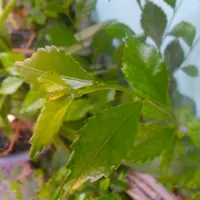
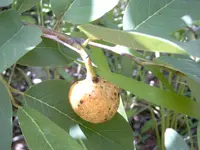
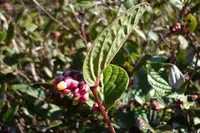
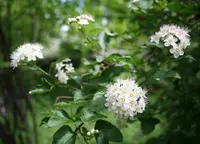
Common ninebark, Physocarpus opulifolius, is a hardy deciduous shrub valued for its arching branches and peeling bark that reveals layers of tan to reddish-brown wood. It typically forms a dense, rounded shape with serrated leaves and clusters of small white or pinkish spring flowers, followed by decorative seed capsules.

This species is native to North America, where it grows on rocky slopes, stream banks, and woodland edges. It is widely used in landscapes because it tolerates cold, wind, urban conditions, and short dry periods, which makes it relatively easy to care for Common ninebark.

It grows best in full sun to light shade with moderately moist, well-drained soil, but it adapts to a wide range of garden soils.

Main Plant Requirements

Care Difficulty

Easy Care

Light Preference

Full Sun

Water Requirements

Moderate Water

Temperature Preference

Cold Hardy

Hardiness Zone

2–7

Soil Texture

Sandy, Loamy, Clay

Soil pH

Acidic (5.5–6.5), Slightly acidic (6.5–7.0)

Soil Drainage

Moist but well-drained

Fertilization

Minimal (feed rarely)

Get Personalized Care Plan

Scan your plant to receive care tips personalized for your specific plant

Available on iOS and Android

How to Care for the Common ninebark

This shrub performs best with abundant direct light but also tolerates some shade.

  • Provide 6–8 hours of direct sun daily for strongest foliage color and flowering; in hot southern climates, aim for morning sun with light afternoon shade.
  • Common ninebark tolerates partial shade (around 3–4 hours of sun), but foliage may green out and flowering can decrease.
  • In exposed sites with intense afternoon sun, monitor for leaf scorch and consider light shade from nearby trees, especially during mid to late summer.

This species prefers evenly moist, well‑drained soil and becomes more drought tolerant as it matures.

  • At planting and during the first growing season, water when the top 3–5 cm of soil feels dry, applying a slow, deep soak rather than frequent light splashes.
  • Once established, Physocarpus opulifolius usually needs water only during extended dry spells; leaves that droop and feel thin signal thirst, while yellowing leaves and persistently soggy soil suggest overwatering.
  • Plant in soil that drains within a few hours after heavy rain and use 5–8 cm of mulch to reduce evaporation, keeping mulch a few cm away from the stems.

This hardy deciduous shrub is adapted to a wide temperature range typical of temperate climates.

  • Active growth occurs in spring and early summer when temperatures are around 55–75°F (13–24°C), which supports strong shoot and root development.
  • Dormant shrubs tolerate winter lows near -20°F (-29°C) once established, but newly planted specimens benefit from extra mulch to buffer rapid freeze–thaw cycles.
  • During heat waves above 90°F (32°C), plants usually cope well if soil moisture is maintained, though light afternoon shade and mulch help limit stress and leaf scorch.

This shrub handles a wide humidity range and rarely needs special humidity management outdoors.

This shrub prefers moderately fertile, well-structured mineral soil that drains freely yet retains some moisture.

  • Use a loamy or sandy-loam soil with plenty of mineral content and 20–30% compost to support root growth.
  • Aim for slightly acidic to neutral pH around 6.0–7.5, avoiding strongly alkaline or saline sites that can impair nutrient uptake.
  • Improve drainage and aeration in heavier clay by working in coarse sand or fine gravel plus well-rotted compost through the top 20–30 cm.
  • Avoid waterlogged, compacted, or peat-heavy mixes that stay wet for long periods, as this increases root disease risk for Physocarpus opulifolius.

This species can grow in containers if given a stable, deep pot and careful moisture management.

  • Choose a heavy, wide-based container to counteract wind rock, as the shrub canopy becomes bulky and can tip light pots.
  • Select a pot deep enough to accommodate a woody root system, as shallow tubs restrict anchoring and increase drought stress.
  • Use a slightly porous material such as unglazed clay in wet climates to allow moisture to dissipate and reduce prolonged saturation near the roots.

This hardy shrub needs minimal feeding but responds well to light nutrition on poor soils when growing Common ninebark.

  • Apply a thin layer of compost or well-rotted manure around the root zone in early spring to improve soil structure and nutrition.
  • On very lean soils, use a balanced slow-release fertilizer (around 10-10-10) once in spring at label rate for shrubs.
  • Avoid midsummer and fall feeding to prevent soft growth that may suffer winter damage.
  • Never overapply nitrogen; excessive vigor reduces flowering and may increase pest or disease issues.

Physocarpus opulifolius benefits from periodic pruning to maintain a healthy, flowering framework.

  • Prune just after flowering in late spring or early summer so flower buds for next year are not removed.
  • Cut out dead, diseased, or crossing stems at the base using clean, sharp bypass pruners or loppers.
  • Thin older, thick stems from the center to improve air flow and encourage vigorous new shoots.
  • For renovation, remove up to one-third of the oldest stems at ground level over 2–3 years to control size and shape.

This shrub is usually grown in the ground, so focus on careful transplanting rather than frequent repotting.

  • Transplant in early spring or early fall when temperatures are mild and soil is workable.
  • Move plants if growth is stunted, the root ball circles a container, or the shrub clearly outgrows its space.
  • Dig a wide hole, keep as much of the root ball intact as possible, and set the plant at the same soil depth.
  • Water thoroughly after planting, then keep soil evenly moist for several weeks to reduce transplant shock and support new root growth.

This species is commonly propagated by cuttings, layering, or seed when increasing plant numbers for the landscape.

  • Take semi-ripe stem cuttings in midsummer, 10–15 cm long, and root them in a moist, free-draining medium under high humidity.
  • Use simple layering in spring by pegging a low, flexible stem to the soil and severing it once well rooted.
  • Sow seeds outdoors in fall or use cold stratification in a refrigerator for several weeks to improve germination.
  • Keep all propagules in bright, indirect light and avoid waterlogging to prevent rot during rooting or early growth.

This shrub is cold hardy in much of the US and typically needs little specific winter care once established.

  • Apply a 5–8 cm layer of organic mulch around the root zone in late fall, keeping it slightly away from the stems.
  • In very cold or exposed sites, avoid late-summer nitrogen that encourages soft growth prone to winter injury.
  • Container-grown plants are more vulnerable, so move pots into a sheltered, unheated area or heel them into the ground where winters are severe.

Care Tips

Renewal coppicing

Every 3–5 years, cut all stems back to 15–30 cm from the ground in late winter to refresh an old, woody shrub and restore dense, even growth.

Progressive thinning

Instead of shearing, remove 1–3 of the oldest stems at the base each year right after flowering to keep the plant open, reduce disease risk, and maintain a natural form.

Mulch root collar

Maintain a 5–8 cm mulch layer around the shrub but keep a mulch-free ring of 5–8 cm around the main stems to prevent bark rot and vole damage.

Wind training support

In exposed sites, loosely tie young, leaning shoots to a low stake or neighboring stem for 1–2 seasons so the framework develops upright and resists wind rock as the plant matures.

Salt and splash management

Along roads or paths treated with de-icing salt, install a low barrier and rinse foliage with plain water after winter to reduce salt burn when growing Common ninebark.

Common Pests and Diseases

Powdery mildew

This disease causes white, powdery patches on upper leaf surfaces, often leading to leaf distortion and reduced vigor. Symptoms include heavier infection in shaded, crowded, or drought-stressed shrubs.

Solution

Prune to thin the canopy and improve air circulation, avoid overhead watering, and remove heavily infected leaves. In recurrent cases, apply a sulfur or potassium bicarbonate fungicide labeled for ornamentals at the first sign of symptoms, following label directions for Physocarpus opulifolius care.

Leaf spot

This disease produces small brown to purple spots that may merge, causing premature leaf drop and a thin, bare appearance. Symptoms include worse damage in wet seasons or where foliage stays damp for long periods.

Solution

Collect and dispose of fallen leaves, avoid wetting the foliage, and space plants to allow faster drying. For persistent problems, use a copper or chlorothalonil fungicide labeled for landscape shrubs in early spring, repeating as directed during extended wet weather.

Aphids

These insects cluster on young shoots and leaf undersides, sucking sap and causing curling, sticky honeydew, and sometimes sooty mold growth. This pest can also attract ants that farm them for honeydew.

Solution

Spray shoots and leaf undersides with a firm stream of water to dislodge colonies, and encourage natural predators such as lady beetles by avoiding broad-spectrum insecticides. For heavier infestations, use insecticidal soap or a light horticultural oil, applied thoroughly to all infested surfaces.

Spider mites

These pests feed on leaf undersides, causing fine stippling, dull or bronzed foliage, and sometimes very fine webbing between leaves and stems. Symptoms include worse damage in hot, dry, dusty conditions.

Solution

Increase humidity around the shrub by regular hosing of the foliage, and rinse leaf undersides with water to knock down populations. If needed, use a horticultural oil or a miticide labeled for ornamental shrubs, making sure to cover the undersides of leaves thoroughly.

Leafcurling aphid

This pest causes tight leaf curling and puckering on new growth, sometimes with visible aphids inside distorted leaves. Symptoms include slowed shoot growth and an unsightly, twisted appearance rather than plant death.

Solution

Prune out and discard heavily curled shoot tips early in the season, before colonies expand. If large numbers persist, apply insecticidal soap or horticultural oil to new growth as buds break in spring, focusing on young shoots where aphids first appear.

Interesting Facts

Peeling bark layers

Mature stems develop thin bark that naturally peels away in sheets, revealing several differently colored layers beneath. This multi-layered bark inspired the common name ninebark and provides winter interest in temperate landscapes.

Native riverside shrub

This species is native to stream banks, rocky slopes, and open woodlands across eastern and central North America. Its tolerance of periodic flooding and drought makes it useful for stabilizing soil along rivers and drainage areas.

Pollinator and bird support

The dense clusters of small white to pinkish flowers provide nectar and pollen for bees and other insects in late spring to early summer. Later, its dry, bladder-like seed capsules offer shelter and seeds that are used by small birds and invertebrates.

Botan icon

Did you know?

This shrub is highly tolerant of urban conditions, including road salt, compacted soils, and air pollution, which has led to its frequent use in city plantings and roadside restoration projects as a resilient native alternative to many non-native hedge species.

FAQs about Common ninebark

Poor flowering usually comes from too much shade, heavy pruning at the wrong time, or nutrient imbalance. Avoid pruning after early-summer bloom, maintain full sun exposure, and use a balanced, not high-nitrogen, fertilizer if soil is weak.

Grow Healthy Plants with Botan Care

Keep your plants happy and healthy with plant identification, disease detection, and easy care guidance.

Botan plant care app — identify plants on mobile

Explore More Plants