Guadeloupe marlberry Care (Ardisia obovata)

Guadeloupe marlberry

About Guadeloupe marlberry

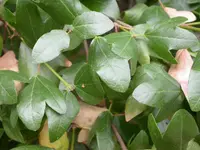
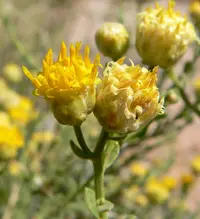
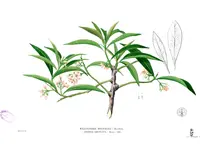
Guadeloupe marlberry, Ardisia obovata, is a tropical evergreen shrub or small tree from the Caribbean region, especially Guadeloupe and nearby islands. It usually has dense, glossy foliage and a rounded, compact growth habit.

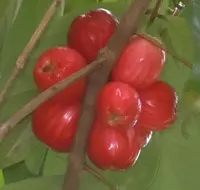
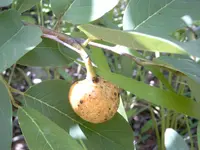
Small white to pinkish flowers are followed by decorative berries, which add ornamental interest in mild outdoor climates or protected indoor spaces. Growth is generally slow to moderate, which helps keep the plant manageable.

This species prefers warm, humid conditions, dappled or filtered light, and well-drained, consistently moist soil. These stable conditions make it moderately easy to care for Guadeloupe marlberry if temperature and humidity are suitable.

Main Plant Requirements

Care Difficulty

Moderate Care

Light Preference

Partial Shade

Water Requirements

Moderate Water

Temperature Preference

Tropical / Frost Sensitive

Hardiness Zone

10–11

Soil Texture

Loamy, Sandy, Organic-rich

Soil pH

Acidic (5.5–6.5), Slightly acidic (6.5–7.0)

Soil Drainage

Moist but well-drained

Fertilization

Light (every 4–6 weeks)

Get Personalized Care Plan

Scan your plant to receive care tips personalized for your specific plant

Available on iOS and Android

How to Care for the Guadeloupe marlberry

Ardisia obovata thrives in bright, filtered light that mimics an understory forest habitat.

  • Provide 3–5 hours of gentle morning sun with dappled or bright indirect light for the rest of the day; avoid harsh midday and afternoon sun that can scorch leaves.
  • Tolerates partial to deep shade, but in very low light growth becomes sparse, leaves lose gloss, and flowering or fruiting of Guadeloupe marlberry may decline.
  • In summer, use shade from trees or shade cloth; in winter, maximize light near bright windows or open canopy to compensate for shorter days and lower sun angles.

This species prefers steadily moist, well‑drained soil rather than cycles of drought and saturation.

  • Water when the top 2–3 cm of soil feels slightly dry, allowing moisture to penetrate the root zone without leaving the soil soggy.
  • Reduce watering in cooler months when growth slows, but do not let the root zone dry out completely for more than a day or two.
  • Watch for yellowing, soft leaves and a sour smell as signs of overwatering, and for dull, folding leaves and dry, pulling soil as signs of underwatering in Ardisia obovata.

Stable warm temperatures support steady growth and fruiting in this tropical shrub.

  • Aim for 65–80°F (18–27°C) for best growth, with slight nighttime drops improving overall vigor and reducing stress.
  • Protect the plant from temperatures below 45°F (7°C); brief dips to 40°F (4°C) may be survived, but frost can cause leaf burn, dieback, or plant death.
  • In hot weather above 86°F (30°C), provide extra shade and soil moisture; avoid hot, reflected heat from pavements or walls that can overheat roots and foliage.

This shrub prefers moderately moist air but adapts to typical indoor humidity if extremes are avoided.

  • Aim for 50–70% humidity for Ardisia obovata, especially in heated or air-conditioned rooms.
  • Dry air causes leaf-edge browning, curling, and slower new growth on Guadeloupe marlberry.
  • Increase humidity by grouping plants, placing the pot on a pebble tray with water below the base, or using a small humidifier nearby.

This species grows best in loose, moist, organic-rich soil with reliable drainage.

  • Use a mix of 50–60% peat or coco coir, 20–30% compost, and 20–30% perlite or fine bark for structure and aeration.
  • Maintain slightly acidic to neutral pH around 6.0–7.0 to support balanced nutrient uptake.
  • Ensure water drains freely from the pot base, since Ardisia obovata is sensitive to waterlogging and stagnant conditions.
  • Avoid heavy clay-based mixes, compacted soil, or pure sand, which either hold too much water or dry out unevenly.

This species is well suited to container cultivation for patios, balconies, or sheltered outdoor spots.

  • Choose a pot slightly wider than the root ball but deep enough to keep the root zone shaded and cool in summer heat.
  • Use a stable, heavier container if grown tall so wind or uneven branching does not tip the plant over.
  • Select a pot material that matches your climate; porous terracotta helps prevent soggy roots, while glazed pots retain moisture longer in hot, dry areas.

Ardisia obovata benefits from modest, steady nutrition rather than heavy feeding.

  • Use a balanced, diluted liquid fertilizer (such as 10-10-10 at 1/4–1/2 strength) every 4–6 weeks during spring and summer.
  • Alternatively, apply a slow-release, balanced granular product at the start of the growing season for Guadeloupe marlberry.
  • Avoid fertilizing in late fall and winter, when growth slows and roots are less active.
  • Flush the pot with plain water a few times each season to reduce salt buildup in the soil.

Pruning Ardisia obovata is mainly used to maintain a compact form and remove weak growth.

  • Carry out light pruning in late winter or early spring before new growth starts.
  • Remove dead, diseased, crossing, or inward-growing stems to improve airflow and light penetration.
  • Shorten overly long shoots to shape the shrub and encourage denser branching and more fruiting wood.
  • Use clean, sharp hand pruners and make angled cuts just above healthy outward-facing buds.

Container-grown Ardisia obovata appreciates occasional repotting to refresh soil and manage root growth.

  • Check for roots circling the pot, emerging from drainage holes, or slowed top growth as signals to repot.
  • Plan to move the plant to a container 2–5 cm wider every 2–3 years, ideally in spring.
  • Gently loosen circling roots, trim broken ones, and set the plant at the same soil level in fresh, well-drained mix.
  • Water thoroughly after repotting, keep in bright, indirect light, and avoid heavy feeding for 2–3 weeks to limit stress.

New Ardisia obovata plants are commonly produced from semi-ripe cuttings or seeds in warm conditions.

  • Take semi-ripe stem cuttings in late spring or summer, 8–10 cm long, with 2–3 nodes.
  • Dip bases in rooting hormone, then place in a sterile, moist, well-drained medium under high humidity and 70–80°F.
  • Sow fresh seeds in a warm propagator, barely covered, and keep evenly moist for slow but steady germination.
  • Provide bright, indirect light and avoid waterlogging to prevent rot during the rooting or germination phase.

This tropical shrub is frost-sensitive and needs protection in regions with cold winters.

  • Keep outdoor plants only in frost-free climates; elsewhere, grow in containers and overwinter indoors.
  • Maintain indoor temperatures above 55°F and avoid cold drafts near windows or doors.
  • Reduce watering in winter so the top 2–3 cm of soil dry slightly between waterings, but do not allow complete drying.
  • In mild climates, apply a light organic mulch around the root zone to buffer short cool spells.

Care Tips

Shape With Pinching

Pinch out soft shoot tips once or twice a year to keep the plant compact and encourage a denser crown of foliage instead of one tall, bare stem.

Berry Load Management

If branches bend under a heavy fruit set, thin some of the berries early or provide discreet twig-sized stakes to prevent splitting or deformation of the main stems.

Targeted Pest Scouting

Inspect the undersides of leaves and young stems every 2–3 weeks, especially near the berry clusters, to catch scale insects or mealybugs early and spot-treat with cotton swabs dipped in 70% isopropyl alcohol.

Gradual Light Shifts

When moving the plant between indoor and outdoor positions, increase or decrease light exposure over 7–10 days to avoid leaf scorch or sudden leaf drop from abrupt environmental change.

Stable Container Setup

Use a squat, heavier pot or add a top layer of decorative gravel to stabilize the root ball and prevent tipping as the canopy and berry clusters become heavier while growing Guadeloupe marlberry.

Common Pests and Diseases

Scale insects

This pest often settles along stems and leaf midribs, appearing as small brown or tan bumps that excrete sticky honeydew. Symptoms include yellowing leaves, sooty mold on the honeydew, and general decline in vigor.

Solution

Physically remove scales by gently scraping or wiping with a cotton pad soaked in 70% isopropyl alcohol, then rinse foliage with lukewarm water. For heavier infestations, apply a light horticultural oil or insecticidal soap to all leaf surfaces and stems every 7–10 days until no new scales appear, ensuring good air circulation around the plant.

Mealybugs

These insects form cottony white clusters in leaf axils and along stems, sucking sap and weakening the plant. Symptoms include distorted new growth, sticky residue, and possible leaf drop.

Solution

Isolate the plant, then dab visible mealybugs with a cotton swab dipped in 70% isopropyl alcohol and wipe affected areas thoroughly. Follow up with insecticidal soap or horticultural oil sprays, repeated weekly for several cycles, and inspect regularly to break the life cycle while maintaining stable, moderate humidity suitable for Ardisia obovata care.

Leaf spot

This disease causes small brown to dark purplish spots on leaves, sometimes with a yellow halo, which can coalesce into larger blotches. Symptoms include premature leaf drop and a generally thinned canopy.

Solution

Remove and discard affected leaves, then improve airflow and avoid wetting the foliage when watering. If spotting continues, apply a copper-based or other broad-spectrum fungicide labeled for ornamental shrubs, treating both upper and lower leaf surfaces and spacing waterings so the top of the soil dries slightly between them.

Sooty mold

This disease appears as a black, powdery or velvety coating on leaves and stems, growing on the honeydew excreted by sap-feeding insects like scale and mealybugs. Symptoms include reduced photosynthesis, dull leaf color, and sticky surfaces.

Solution

First control the underlying sap-feeding insects, then gently wash leaves with lukewarm water and a mild, diluted liquid soap to remove the mold layer. Improve light and airflow so foliage dries faster, and prune lightly if necessary to open dense growth and reduce future mold buildup.

Interesting Facts

Caribbean limestone specialist

This species is naturally restricted to karst and limestone areas in the Lesser Antilles, where it grows in rocky, calcium-rich soils that many other shrubs cannot tolerate.

Glossy foliage adaptation

Its thick, shiny leaves are adapted to reduce water loss and withstand high light levels along exposed forest edges in its native island habitats.

Island understory shrub

In the wild it usually grows as a low shrub in coastal and lower montane forest understories, benefiting from filtered light beneath taller trees and shrubs.

FAQs about Guadeloupe marlberry

The small white flowers produce nectar that attracts a range of native bees and small flies. Birds are especially drawn to the colorful berries, helping spread seeds and supporting local wildlife in subtropical and tropical gardens.

Grow Healthy Plants with Botan Care

Keep your plants happy and healthy with plant identification, disease detection, and easy care guidance.

Botan plant care app — identify plants on mobile

Explore More Plants