

Caudex sun-hardening
Gradually expose the swollen trunk to more direct sun over 2–3 weeks each spring to toughen the bark and reduce the risk of sunscald and cracking.

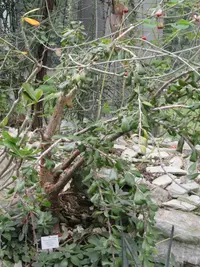
Transvaal sesame-bush (Sesamothamnus lugardii) is a small succulent tree known for its swollen, bottle-shaped trunk and sparse, contorted branches. It is a deciduous species that sheds its leaves during dry or cool periods to reduce water loss.
This plant comes from arid regions of southern Africa, where it grows in rocky, very well-drained soils. Its thick caudex stores water, which makes it drought-tolerant but sensitive to prolonged moisture around the roots.
Sesamothamnus lugardii grows slowly and stays compact in cultivation, which suits container growing and collectors of unusual succulents. To care for Transvaal sesame-bush successfully, growers need bright light, excellent drainage, and careful, infrequent watering.

Care Difficulty
Hard Care

Light Preference
Full Sun

Water Requirements
Low Water

Temperature Preference
Tropical / Frost Sensitive

Hardiness Zone
10–11

Soil Texture
Sandy, Rocky, Loamy

Soil pH
Slightly acidic (6.5–7.0), Neutral (7.0)

Soil Drainage
Well-drained

Fertilization
Minimal (feed rarely)
Scan your plant to receive care tips personalized for your specific plant
Available on iOS and Android
This drought-adapted shrub needs strong light similar to its native arid habitats.
This species stores water in its swollen trunk and must dry between waterings.
This plant prefers hot, dry conditions and reacts poorly to cold, damp weather.
This dryland shrub prefers arid indoor air and does not need elevated humidity.
Sesamothamnus lugardii needs a very fast-draining, mineral, desert-style substrate.
This species is suitable for container growing when stability and rapid drainage are prioritized.
This drought-adapted caudiciform shrub needs only light feeding in containers; in the ground, Transvaal sesame-bush usually manages with poor, sandy soil.
Pruning Sesamothamnus lugardii is mainly corrective, aimed at maintaining a compact, tidy framework without stressing the caudex.
This species dislikes frequent disturbance, so repotting or transplanting must be infrequent and gentle.
Propagation of Sesamothamnus lugardii is possible but slow and generally suited to patient growers rather than casual hobbyists.
This species is not frost tolerant and needs careful winter management in most temperate climates.

Plant Health Check
Not sure what's wrong with your plant? Check your plant's health inside the app.
This species is native to the arid regions of southern Africa, where its thick, corky bark and swelling trunk help protect it from browsing by large herbivores such as elephants while storing water for long dry periods.
It develops a conspicuously swollen, bottle-like trunk known as a caudex, which functions as a water reservoir and allows the plant to survive in rocky, extremely drought-prone habitats.
The plant produces pale, tubular flowers with a light fragrance that are adapted to pollination by long-tongued insects attracted to their nectar, typically appearing before or with new leaf growth after dry spells.

This species belongs to the Pedaliaceae, the sesame family, and shows a striking evolutionary shift from its oilseed relative Sesamum indicum to a slow-growing, pachycaul shrub specialized for survival in hot, rocky desert ecosystems.
This species performs best outdoors in hot, arid conditions with maximum light and excellent drainage. Indoors it survives only in very bright, dry setups. Transvaal sesame-bush indoor care is generally more challenging and growth stays smaller.
Keep your plants happy and healthy with plant identification, disease detection, and easy care guidance.

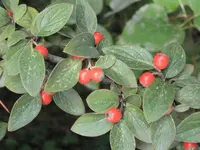
orange cotoneaster
Cotoneaster franchetii
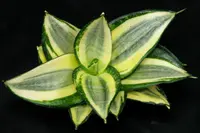
Bird's Nest Snake Plant
Dracaena trifasciata 'Golden Hahnii'
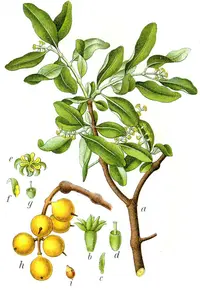
Yellow-berried Mistletoe
Loranthus europaeus
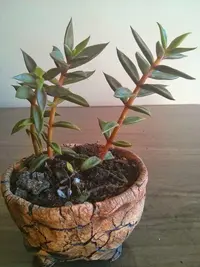
coastal stonecrop
Lenophyllum texanum
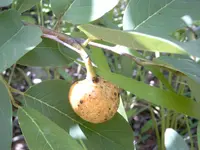
wild custard-apple
Annona senegalensis
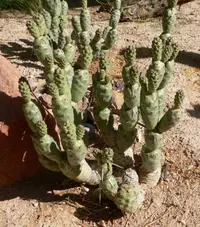
Pine Cone Cactus
Tephrocactus articulatus
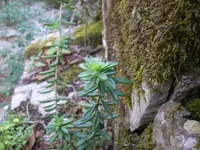
Sedum calcicola
Sedum calcicola
Marlberry
Ardisia escallonioides