Sedum calcicola Care

Sedum calcicola

About Sedum calcicola

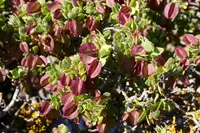
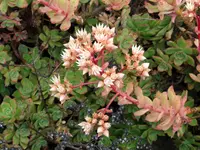
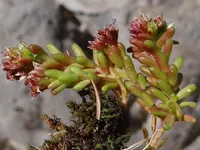
Sedum calcicola is a compact, low-growing succulent from limestone-rich habitats, likely in Mediterranean or similar dry, rocky regions. It forms tight cushions or mats of small, fleshy leaves designed to store water.

The foliage is usually small and rounded, often glaucous or slightly bluish, and may be topped with clusters of star-shaped flowers in season. Its slow, tidy growth habit suits containers, rock gardens, and troughs.

This species favors bright light, excellent drainage, and relatively dry conditions, which makes it appealing for those who want to learn how to care for Sedum calcicola without complex routines.

Main Plant Requirements

Care Difficulty

Easy Care

Light Preference

Full Sun

Water Requirements

Low Water

Temperature Preference

Cold Hardy

Hardiness Zone

5–8

Soil Texture

Sandy, Loamy, Rocky

Soil pH

Slightly acidic (6.5–7.0), Slightly alkaline (7.0–7.5)

Soil Drainage

Well-drained

Fertilization

Minimal (feed rarely)

Get Personalized Care Plan

Scan your plant to receive care tips personalized for your specific plant

Available on iOS and Android

How to Care for the Sedum calcicola

This alpine succulent prefers bright, open conditions that mimic rocky mountain slopes.

  • Provide 6–8 hours of direct sun, with morning sun and light afternoon shade ideal, especially in hot, low-humidity climates.
  • Tolerates light partial shade (3–4 hours sun), but growth becomes looser and flowering decreases if shade is too deep.
  • In summer, monitor for leaf scorch or bleaching in harsh afternoon sun; in winter, ensure Sedum calcicola is not shaded by taller, dormant or snow-covered plants.

This species is highly drought-tolerant and needs infrequent, careful watering.

  • Allow soil to dry at least through the top 3–5 cm before watering; in shallow, rocky ground this often means waiting until foliage looks slightly less plump.
  • During active growth in spring–early summer, water deeply but briefly so excess drains away; reduce watering to minimal or none in cool, wet seasons.
  • Watch for yellowing, translucent, or mushy leaves as signs of overwatering, and wrinkled, soft leaves as an indicator that the plant is too dry.

This hardy succulent is adapted to cool, exposed sites but still benefits from stable seasonal temperatures.

  • Optimal growth occurs around 55–75°F (13–24°C), with strong light and good air movement supporting compact, healthy rosettes.
  • Mature plants often tolerate short dips to about 0–10°F (-18 to -12°C) if soil is sharply drained and not waterlogged in freezing periods.
  • In summer, plants handle 80–90°F (27–32°C) if soil does not stay wet; prolonged heat above 95°F (35°C) can stress foliage, so increase shade and airflow.

This species is adapted to dry air and usually grows well at 30–50% humidity.

  • Tolerates low household humidity without special measures, provided the soil is kept dry between waterings.
  • Watch for soft, translucent leaves as a sign of excess humidity combined with overwatering rather than dry air stress.
  • Increase local humidity only slightly, if needed, by grouping with other succulents, but avoid misting to prevent fungal issues.

Sedum calcicola prefers very lean, mineral, sharply drained soil that dries quickly after watering.

  • Use a gritty, sandy mix with large mineral content, such as 60–80% pumice, coarse sand, or fine gravel blended with 20–40% cactus potting mix.
  • Ensure water runs through rapidly; the soil should never stay wet or compacted around the roots.
  • Aim for slightly alkaline to neutral pH, around 7.0–7.8, which suits its calcicole (lime-loving) nature.
  • Avoid peat-heavy, dense, or moisture-retentive mixes and instead add coarse grit to improve aeration and drainage.

This species is well suited to container growing when drainage is prioritized.

  • Choose a shallow but wide container to accommodate its spreading habit while keeping the root zone fast-drying.
  • Favor unglazed terracotta pots, which allow moisture to evaporate faster than plastic, reducing rot risk.
  • Place the pot where runoff water can escape freely, ensuring the saucer is emptied promptly after each watering to avoid root suffocation.

This species is adapted to lean, rocky soils, so Sedum calcicola needs only minimal feeding in cultivation.

  • Use a very light dose of a balanced liquid fertilizer (around 10-10-10) at 1/4 strength in spring if growth seems weak.
  • Feed at most once in late spring and once in mid-summer during active growth; skip feeding if plants look vigorous.
  • Avoid rich compost or heavy slow-release products, which encourage soft, leggy growth and reduce drought tolerance.
  • Stop all fertilization in fall and winter to allow natural dormancy and prevent weak, cold-sensitive tissue.

Pruning is mainly used to keep Sedum calcicola compact and to remove spent or damaged growth.

  • Best time for pruning is early spring, before strong new growth, or just after flowering finishes.
  • Snip off dead, broken, or diseased stems with clean, sharp scissors or small pruners to limit stress and infection.
  • Lightly shorten lanky, stretched shoots to maintain a dense cushion and encourage branching from the base.
  • Remove old flower stems once they dry to tidy the plant and direct energy back into roots and new shoots.

This sedum is often grown in rock gardens, so attention focuses more on careful transplanting than frequent repotting.

  • Consider moving Sedum calcicola when growth slows, clumps become crowded, or roots circle a small container.
  • Plan transplanting for spring or early fall, avoiding extreme heat or hard frost periods.
  • Usually 2–3 years between moves is enough, as the plant prefers slightly tight conditions in gritty, fast-draining soil.
  • Lift with a generous soil plug, disturb roots as little as possible, then water lightly and shade for a few days to reduce stress.

Sedum calcicola is commonly propagated to expand groundcover patches or share plants.

  • Take short stem cuttings or gently divide clumps in late spring to early summer for quickest establishment.
  • Allow cut stem ends to dry for 1–2 days, then place in gritty, barely moist mix under bright, indirect light.
  • Keep rooting medium warm (65–75°F) and only slightly damp to prevent rot and encourage rapid root formation.
  • Sow seeds on the surface of a well-drained mix, pressing lightly without burying, and maintain even, light moisture until germination.

This species is generally cold hardy in well-drained sites and often needs little special winter care outdoors.

  • In climates with wet winters, ensure sharp drainage or slightly raised planting to prevent crown rot in Sedum calcicola.
  • Apply a thin gravel mulch around the base to insulate the root zone while keeping stems dry.
  • For container plants in very cold areas, move pots to a sheltered, unheated but frost-sheltered spot with minimal watering.

Care Tips

Alkaline rock pockets

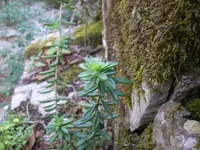
Tuck the roots into crevices of limestone or other alkaline rocks filled with gritty mix, which stabilizes moisture around the crown and mimics the thin, calcareous soils this species is adapted to.

Summer heat protection

In very hot climates, install a light-colored stone mulch or gravel around the plant to reflect heat and keep the root zone slightly cooler during extreme summer sun.

Winter moisture control

In regions with wet winters, tilt rock slabs or planting stones slightly so excess water drains away from the rosettes, reducing the risk of crown and root rot.

Targeted propagation clusters

When offsets form tight clumps, gently twist and replant only well-rooted side rosettes into new rock pockets to build denser, low-maintenance cushions over time.

Low-nutrient companion choice

Combine it only with other small, slow-growing alpine or rock-garden species that prefer lean, alkaline substrates so faster growers do not shade or outcompete it.

Common Pests and Diseases

Mealybugs

This pest feeds on succulent leaves and stems, leaving white, cotton-like clusters in tight rosettes and between stems. Symptoms include sticky honeydew, distorted new growth, and occasional sooty mold on nearby surfaces.

Solution

Isolate affected plants, then dab visible insects with cotton swabs dipped in 70% isopropyl alcohol and repeat weekly until no new insects appear. Improve light and airflow, avoid excess nitrogen fertilizer, and for heavier infestations use a labeled systemic insecticide suitable for succulents, following all directions carefully.

Aphids

These insects cluster on young shoots and flower stems, sucking sap and causing curling or yellowing of new growth. Honeydew can appear around the plant, sometimes followed by black sooty mold on nearby surfaces.

Solution

Rinse colonies off with a firm stream of water, taking care not to damage brittle stems, and repeat every few days as needed. For persistent colonies, apply insecticidal soap or a ready-to-use neem oil product in the cool part of the day, ensuring thorough coverage of stems and leaf bases.

Spider mites

This pest thrives in hot, dry conditions and may cause fine stippling, dull or bronzed foliage, and very fine webbing between leaves. Symptoms include slowed growth and a generally dusty, stressed appearance despite adequate light.

Solution

Increase humidity around the plant slightly without keeping foliage constantly wet, then gently wash foliage and stems with lukewarm water to remove mites and webbing. Follow up with repeated applications of insecticidal soap or horticultural oil directed at leaf undersides and tight rosettes, monitoring closely during the hottest months when growing Sedum calcicola outdoors.

Botrytis blight

This disease appears in cool, damp conditions as soft, water-soaked patches on leaves and stems, which later develop gray, fuzzy mold. Symptoms include collapse of dense rosettes and rapid spread across crowded plantings.

Solution

Remove and discard all affected tissue and fallen debris, then improve spacing, airflow, and sun exposure so foliage dries quickly after rain or watering. In very humid or prolonged wet conditions, use a labeled fungicide for ornamentals as a preventive spray on nearby healthy plants, avoiding overhead watering where possible.

Leaf and stem rot

This disease develops when plants stay wet in poorly draining, calcareous rock pockets or containers, leading to mushy, discolored leaves starting at the base. Symptoms include sudden collapse of whole rosettes even though the soil surface may appear only slightly moist.

Solution

Cut away and discard all soft, affected tissue, keeping only firm, healthy segments for re-rooting in fresh, sharply draining gritty mix. Adjust watering so the substrate dries fully between waterings, and if plants are in the ground, amend with coarse mineral material and ensure raised, well-drained planting positions.

Interesting Facts

Narrow limestone specialist

This species is native to a very restricted area of limestone cliffs and ledges in southeastern France, where it grows almost exclusively on calcium-rich rock outcrops and thin crevices.

Tight mat-forming habit

Sedum calcicola forms low, dense cushions of small, succulent leaves that help stabilize shallow substrates on rocky slopes and reduce water loss in its exposed habitat.

Yellow late-spring flowers

It produces star-shaped yellow flowers on short stems in late spring to early summer, providing nectar for local pollinating insects in otherwise sparse cliff vegetation.

FAQs about Sedum calcicola

This species forms low, slowly expanding clumps rather than running aggressively. It spreads by short stems and occasional self-seeding, usually staying where drainage is sharp. In most gardens it behaves as a tidy, controlled ground-hugging succulent.

Grow Healthy Plants with Botan Care

Keep your plants happy and healthy with plant identification, disease detection, and easy care guidance.

Botan plant care app — identify plants on mobile

Explore More Plants