Dark Stonecrop Care (Sedum atratum)

Dark Stonecrop

About Dark Stonecrop

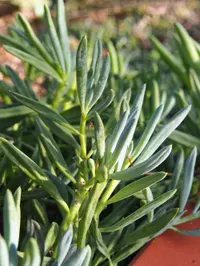
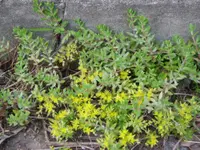
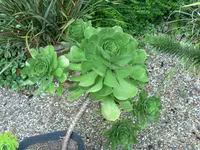
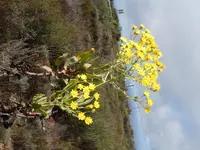
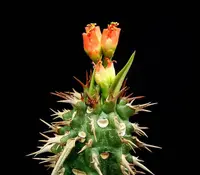
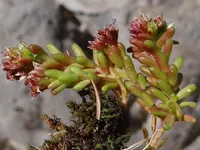
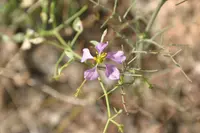
Dark stonecrop, Sedum atratum, is a small alpine succulent from mountain regions of southern and central Europe. It naturally grows in rocky crevices and thin, well-drained soils. Compact rosettes and dark, often purplish foliage give it a distinctive, almost black appearance, especially in strong sun. In summer, it produces short clusters of star-shaped flowers that attract pollinators and add seasonal interest. This species is generally undemanding, with a slow, low-growing habit that suits rock gardens, troughs, and containers. Its drought tolerance and modest nutrient needs make it relatively easy to manage once established. For those learning how to care for Dark Stonecrop, the key factors are bright light, good drainage, and avoiding waterlogged conditions.

Main Plant Requirements

Care Difficulty

Easy Care

Light Preference

Full Sun

Water Requirements

Low Water

Temperature Preference

Cold Hardy

Hardiness Zone

5–9

Soil Texture

Sandy, Loamy, Rocky

Soil pH

Slightly acidic (6.5–7.0), Neutral (7.0)

Soil Drainage

Well-drained

Fertilization

Minimal (feed rarely)

Get Personalized Care Plan

Scan your plant to receive care tips personalized for your specific plant

Available on iOS and Android

How to Care for the Dark Stonecrop

This small alpine succulent prefers bright conditions with several hours of direct sun for compact growth.

  • Provide 4–6 hours of direct sun daily, ideally morning to early afternoon, with some light afternoon shade in hotter regions.
  • Tolerates light partial shade, but stems may stretch and foliage color of Dark Stonecrop can dull if light drops below about 3 hours of direct sun.
  • In summer, protect from intense late-afternoon sun in very hot, dry sites to reduce leaf scorch; in winter, maximize exposure by avoiding shade from structures or shrubs.

This drought-tolerant species needs infrequent but thorough watering in fast-draining soil.

  • Outdoors in well-drained ground, wait until the top 3–5 cm of soil are completely dry and leaves look slightly less plump before watering deeply.
  • Reduce watering significantly in cool or overcast seasons, especially autumn and winter, to avoid root rot in Sedum atratum.
  • Watch for overwatering signs such as soft, translucent leaves and blackened stems; underwatering shows as wrinkled, limp foliage that firms up after a good soak.

This hardy succulent handles cool conditions but grows best in moderate, dry climates.

  • Active growth is strongest around 60–75°F (16–24°C), with dry air and well-drained soil supporting compact, healthy rosettes.
  • Mature plants can tolerate short dips to about 5–10°F (-15 to -12°C) if soil drains freely, but prolonged wet cold greatly increases rot risk.
  • In hot spells above 85–90°F (29–32°C), provide slight afternoon shade and avoid overhead watering during peak heat to limit stress and sun scorch.

This species tolerates a wide humidity range and usually does not need special humidity control indoors or outdoors.

Sedum atratum needs very fast-draining, mineral-rich soil to prevent root rot and maintain compact growth.

  • Use a gritty mix of about 50–70% inorganic material such as coarse sand, fine gravel, or pumice blended with low-organic potting mix.
  • Aim for slightly acidic to neutral pH around 6.0–7.0, which supports nutrient availability without stressing the roots.
  • Improve aeration by avoiding dense peat-heavy mixes that hold water and instead adding extra perlite or pumice to loosen texture.
  • Avoid planting in clayey or compacted ground where water lingers after rain, since this quickly leads to root and stem rot.

This species is well suited to container growing due to its compact, shallow-rooted habit.

  • Choose a shallow, wide pot that matches the plant’s spreading growth, so roots can occupy the upper layer without sitting in deep, wet soil.
  • Use unglazed terracotta if extra evaporation is needed in rainy or humid climates, as it helps dry the mix between waterings.
  • Elevate the pot slightly on pot feet or stones to ensure rapid runoff from drainage holes and reduce the risk of standing water under the container.

Sedum atratum needs very little feeding, as it is adapted to lean, rocky soils.

  • If desired, apply a diluted balanced liquid fertilizer (around 10-10-10) at 1/4–1/2 strength once in early to mid-spring.
  • Use a light top-dressing of fine compost instead of heavy fertilization to avoid soft, weak growth.
  • Do not feed during winter dormancy; excess nutrients then can cause root problems in Dark Stonecrop.

Sedum atratum benefits from light, targeted pruning to maintain a compact, healthy mat.

  • Best time is late winter to early spring, before new growth starts, or right after flowering finishes.
  • Remove dead, damaged, or diseased stems with clean, sharp scissors or small snips.
  • Trim back sparse or leggy sections to encourage denser growth and neater outline.
  • Shear off spent flower heads to keep the plant tidy and reduce self-seeding if unwanted.

This sedum is usually grown in rock gardens or shallow containers and rarely needs frequent repotting.

  • Check for roots circling the container drainage holes, soil drying extremely fast, or reduced vigor as signs it needs more space.
  • Plan repotting or transplanting in early spring, every 3–4 years, when growth resumes and temperatures are mild.
  • Move the plant into a shallow, wider container or well-drained garden spot, keeping the same planting depth.
  • Handle roots gently, tease apart tight circles, water lightly after planting, and shade for a few days to limit stress.

Sedum atratum is commonly propagated to expand groundcover or share plants.

  • Stem cuttings in late spring to summer root well in gritty, barely moist substrate with bright, indirect light.
  • Gently divide small clumps in early spring, ensuring each piece has roots and several shoots.
  • Leaf cuttings can also root; press healthy leaves onto the soil surface and keep slightly dry.
  • Seeds may be sown on the surface of a well-drained mix, needing light and cool conditions for germination.

This sedum is generally cold hardy and needs minimal winter care in most temperate climates.

  • In-ground plants usually tolerate frost and snow once established, provided soil drains sharply.
  • Apply a thin gravel or coarse sand mulch to keep crowns drier and prevent standing water around roots.
  • Container plants are more vulnerable; move pots to a sheltered, unheated spot to reduce freeze–thaw stress.

Care Tips

Encourage Compact Growth

Pinch back soft tips lightly after flowering to keep plants low, dense, and better able to withstand wind and rain without lodging or breaking.

Improve Rock Crevice Drainage

When planting in rock crevices or troughs, line the bottom of the planting pocket with a thin layer of coarse grit to prevent water from pooling around the roots.

Use Gravel Mulch

Top-dress the soil with a 0.5–1 in layer of sharp gravel to reduce soil splash, keep stems dry at the base, and highlight the plant’s dark foliage.

Control Competition

Regularly remove moss and shallow-rooted weeds from around the clump so the plant is not outcompeted for light and the very limited moisture it needs.

Plan for Winter Wet

In regions with cold, wet winters, use slightly sloped or raised sites so meltwater drains away quickly, which is critical when growing Dark Stonecrop in heavy soils.

Common Pests and Diseases

Aphids

These insects cluster on tender shoots and flower stems, sucking sap and causing distortion, sticky honeydew, and reduced vigor. Symptoms include curling leaves and sooty mold developing on the honeydew in humid conditions.

Solution

Rinse colonies off the foliage and stems with a firm stream of water, repeating as needed, and remove heavily infested shoot tips. If populations persist, apply an insecticidal soap or neem oil spray in the early morning, coating stems and leaf undersides, and support natural predators like lady beetles by avoiding broad-spectrum insecticides when caring for Dark Stonecrop.

Mealybugs

These insects appear as small white cottony masses lodged between Sedum rosettes and along stems, where they suck sap and can cause yellowing, stunting, and leaf drop. This pest also excretes honeydew, which can encourage sooty mold on densely planted mats.

Solution

Isolate the plant, then dab visible mealybugs with cotton swabs dipped in 70% isopropyl alcohol to dissolve the waxy coating. Follow with a series of insecticidal soap or neem oil sprays every 7–10 days, and thin overcrowded clumps slightly to improve airflow and reduce hiding places.

Spider mites

These insects are tiny and often unnoticed until fine webbing appears between leaves and rosettes, along with a dull, speckled appearance on the foliage. This pest favors hot, dry conditions and can cause sedum leaves to lose color and drop prematurely.

Solution

Spray the plant thoroughly with water to knock mites off, focusing on leaf axils and undersides, and repeat regularly during hot spells. For persistent infestations, use insecticidal soap or horticultural oil, ensuring full coverage of foliage, and reduce heat stress by providing light afternoon shade in very hot sites.

Powdery mildew

This disease shows as a white to gray powdery coating on leaves and stems, especially in dense patches with warm days and cool nights. Symptoms include distorted growth and reduced vigor, although sedums usually tolerate mild infections.

Solution

Increase spacing between plants or divide congested clumps to improve airflow, and avoid frequent overhead watering, especially late in the day. Remove and discard heavily infected stems, and if needed apply a sulfur or potassium bicarbonate fungicide labeled for ornamentals at first signs of disease, following label directions carefully.

Leaf spot

This disease produces small brown or tan lesions on leaves that may merge, causing premature leaf drop on lower parts of the plant. Symptoms include irregular spots often surrounded by a darker margin, occurring more often in prolonged wet or humid conditions on compact mats of sedum.

Solution

Trim off and discard affected leaves and stems to reduce inoculum, and water at the base of the plant instead of overhead to keep foliage dry. Improve air circulation by thinning crowded patches, and in severe or recurrent cases use a copper-based fungicide labeled for ornamental succulents, applied during periods of extended wet weather.

Interesting Facts

High-mountain specialist

This species is naturally restricted to high-elevation, rocky habitats in southern Europe, where it grows in thin, nutrient-poor soils on exposed slopes and scree.

Dark leaf pigmentation

Its unusually dark, almost blackish foliage is caused by high levels of protective pigments such as anthocyanins, which help shield tissues from intense alpine sunlight and UV radiation.

Compact stress-tolerant habit

The plant forms very low, compact cushions that reduce water loss and protect roots from temperature extremes, an adaptation well suited to harsh alpine microclimates.

FAQs about Dark Stonecrop

This species forms small clumps and low mats but does not spread aggressively. It slowly enlarges from the main crown. Unwanted spread is easy to control by lifting excess rosettes or trimming back stems at the edges.

Grow Healthy Plants with Botan Care

Keep your plants happy and healthy with plant identification, disease detection, and easy care guidance.

Botan plant care app — identify plants on mobile

Explore More Plants