Salad Twinleaf Care (Roepera morgsana)

Salad Twinleaf

About Salad Twinleaf

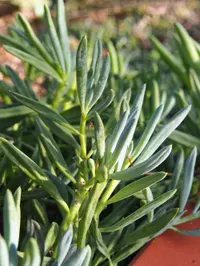
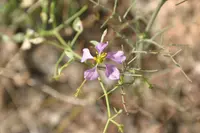
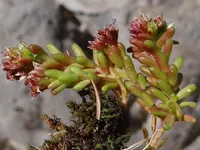
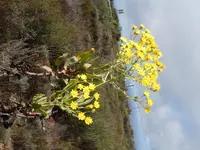
Salad twinleaf, Roepera morgsana, is a small succulent herb from arid regions of southern Africa. It forms low, branching clumps with fleshy, paired leaves and small, delicate flowers. The leaves often have a slightly translucent or waxy look that helps the plant conserve water in dry habitats.

In cultivation, it is grown mainly as a curiosity for succulent collectors and rock garden enthusiasts. It stays compact and tends to grow slowly, which suits container culture. The plant prefers bright light, very well-drained, gritty soil, and careful watering that avoids long periods of wetness. These traits make it moderately easy to grow if conditions match its dry, sunny origin and you understand how to care for Salad Twinleaf.

Main Plant Requirements

Care Difficulty

Moderate Care

Light Preference

Full Sun

Water Requirements

Low Water

Temperature Preference

Warm Climate

Hardiness Zone

10–11

Soil Texture

Sandy, Loamy, Rocky

Soil pH

Slightly acidic (6.5–7.0), Neutral (7.0)

Soil Drainage

Well-drained

Fertilization

Minimal (feed rarely)

Get Personalized Care Plan

Scan your plant to receive care tips personalized for your specific plant

Available on iOS and Android

How to Care for the Salad Twinleaf

Roepera morgsana thrives in bright, open conditions similar to its native arid habitats.

  • Provide 6–8 hours of direct sun daily; morning and midday sun are ideal, with light afternoon shade in very hot regions.
  • The plant tolerates light partial shade (3–4 hours sun), but stems may stretch and flowering can decrease in lower light.
  • In summer, protect Salad Twinleaf from intense, reflected afternoon sun to avoid leaf scorch, while in winter a full-sun, south-facing position is preferred.

This drought-tolerant succulent prefers deep, infrequent watering and fast-draining soil.

  • Outdoors in arid climates, water only when the top 3–5 cm of soil are completely dry; in mild regions this may mean every 10–21 days in summer, much less in winter.
  • Use gritty, sharply draining soil so water runs through quickly and roots do not sit in puddles or compacted, soggy zones.
  • Overwatering signs include yellowing, translucent or mushy stems and a sour smell; underwatering shows as wrinkling and slight leaf shriveling, with firm, not mushy, tissue.

This species prefers warm, dry conditions and has moderate tolerance to heat but poor tolerance to frost.

  • Aim for 65–85°F (18–29°C) for active growth; brief peaks to 90°F (32°C) are tolerated if soil is dry and exposure is not fully reflective.
  • Protect from frost; damage often starts near 32°F (0°C), and extended exposure below 28°F (-2°C) can kill roots and stems.
  • In cooler regions, grow Roepera morgsana in containers that can be moved to a frost-free, bright spot over winter, keeping it on the dry side during cold months.

This desert succulent tolerates low indoor humidity and rarely needs special measures.

  • Ideal humidity is 20–40%, matching dry, heated indoor air or arid outdoor climates.
  • Dry air is preferred; prolonged humidity above 60% increases risk of fungal spots and stem rot in Salad Twinleaf.
  • Humidity stress shows as soft, water-soaked stems or moldy soil surface; increase air movement rather than adding moisture.

This species needs very fast-draining, mineral-rich soil to prevent root and stem rot.

  • Use a coarse cactus/succulent mix with at least 50% sharp sand or fine grit for strong drainage and root aeration.
  • Combine 2 parts mineral substrate (pumice, grit, or perlite) with 1 part lean sandy soil and only a small amount of organic matter.
  • Aim for slightly acidic to neutral pH around 6.0–7.2, which suits Roepera morgsana and helps nutrient availability without encouraging lush, weak growth.
  • Avoid heavy, peat-rich, or compacted mixes that stay wet longer than 1 day after watering, and never add water-retentive gels.

This species is suitable for container growing if the pot is kept sharply drained and not oversized.

  • Choose a wide, shallow pot so the fibrous roots spread laterally in a thin, fast-drying layer of mix.
  • Use unglazed terracotta to accelerate evaporation from the sides, reducing the time roots sit in moisture.
  • Raise the container slightly on feet or pot risers so all drainage holes clear water quickly after irrigation.

Roepera morgsana is adapted to nutrient-poor soils and usually needs only light feeding in containers or depleted ground.

  • Use a diluted balanced liquid fertilizer (such as 10-10-10 at 1/4 strength) for potted plants during active spring–summer growth.
  • Apply every 4–6 weeks only if growth appears weak or leaves pale, since overfeeding can reduce drought tolerance.
  • Avoid fertilizing in fall and winter when growth slows or during heat stress; allow the plant to rest.
  • For outdoor clumps in poor sandy soil, a thin layer of compost in early spring is enough for caring for Salad Twinleaf.

Roepera morgsana needs only light structural pruning to stay healthy and open.

  • Best time for pruning is late winter to early spring, before strong new growth begins.
  • Remove dead, damaged, or crossing stems with clean, sharp hand pruners to reduce disease entry points.
  • Thin congested interior shoots to improve light and air movement, keeping the natural compact form.
  • Avoid hard cutting back into old woody stems, which may reduce flowering and slow recovery.

This species is usually grown in the ground, so focus on careful transplanting rather than frequent repotting.

  • Transplant in late winter or early spring when temperatures are mild and growth is just starting.
  • Look for signs such as roots circling a small container, very slow growth, or rapid drying soil as cues to move it.
  • Shift to only 1 size larger pot or a well-drained garden site to limit transplant shock and root rot risk.
  • Water deeply after moving, then keep soil barely moist and shaded for 7–10 days to help roots re-establish.

Roepera morgsana is most often propagated from semi-ripe cuttings or seeds under warm, bright conditions.

  • Take semi-ripe stem cuttings in late spring–summer, 7–10 cm long, and remove lower leaves.
  • Insert cuttings into a gritty, sharply drained mix, using rooting hormone if available, and maintain 70–75°F.
  • Sow fresh seed in late winter–spring in a sandy mix, barely covering, and keep evenly just-moist until germination.
  • Provide bright indirect light and good air movement for young plants, then gradually acclimate to stronger sun.

In mild, dry climates Roepera morgsana is fairly cold tolerant and usually needs only minimal winter care.

  • Tolerates light frost but may suffer damage below about 25°F; growth can slow or tip-burn.
  • In colder areas, add a 3–5 cm mulch layer around the root zone, keeping it slightly away from stems.
  • Container plants in borderline climates can be moved to a bright, frost-free porch or unheated greenhouse.

Care Tips

Deep container choice

Use a wide, shallow terracotta pot with multiple drainage holes so the fine, spreading roots can colonize a broad area while the porous clay keeps the succulent root zone dry and well aerated.

Controlled rain exposure

If grown outdoors in wetter climates, place the pot under an overhang or cold frame so the plant receives bright light and airflow but is shielded from prolonged, direct rainfall that can saturate the root zone.

Targeted pest checks

Inspect leaf joints and the base of stems every 2–3 weeks for early signs of sap-sucking pests, and use a cotton swab dipped in isopropyl alcohol to spot-treat any small colonies before they spread.

Winter dormancy management

During the coolest, lowest-light months, reduce disturbance, avoid repotting, and keep the plant in the brightest, driest position available to support its semi-dormant phase and prevent weak, etiolated growth.

Gradual light shifts

When moving the plant between indoor and outdoor positions, or between seasons, increase light levels gradually over 7–10 days to prevent sun scorch on the small succulent leaves while still allowing you to grow Roepera morgsana in higher light overall.

Common Pests and Diseases

Aphids

This pest feeds on young, succulent stems and leaves, sucking out sap and causing distortion and sticky honeydew on Roepera morgsana shoots.

Solution

Rinse stems gently with a strong but controlled stream of water, then spot-treat remaining clusters with insecticidal soap or a light horticultural oil, repeating weekly until no new colonies appear; avoid spraying during intense sun to prevent tissue burn.

Scale insects

These insects attach tightly along stems and joints, appearing as small, dome-like bumps that weaken the plant and can cause yellowing segments on this shrubby succulent.

Solution

Lift or scrape off individual scales with a cotton swab dipped in isopropyl alcohol, then use a horticultural oil spray to smother remaining juveniles while ensuring good air movement so the waxy succulent surfaces dry quickly.

Mealybugs

This pest hides in crevices and between jointed stems, leaving cottony white masses that drain sap and can stunt new growth in this arid-adapted species.

Solution

Dab visible clusters with a cotton swab soaked in 70% isopropyl alcohol, then follow with a thorough spray of insecticidal soap targeted into stem joints, repeating every 7–10 days and isolating the plant until no new patches form; avoid overwatering, which favors mealybug spread.

Powdery mildew

This disease can develop on Roepera morgsana when air is humid and air movement is poor, forming a white, powdery film on stems and any soft foliage.

Solution

Improve airflow and reduce overhead watering, then remove heavily coated segments and apply a sulfur or potassium bicarbonate-based fungicide labeled for ornamentals, ensuring the plant dries rapidly after treatment in a bright, airy location.

Stem canker

Symptoms include localized dark, sunken lesions on older stems that may crack and girdle a segment, often following mechanical damage or extended wetness around succulent tissues.

Solution

Cut out affected stem sections well into healthy tissue with a sterile blade, discard removed material, then keep the plant in a dry, well-ventilated spot and avoid water sitting on stems; disinfect tools between cuts to limit spread and reduce future injury that can serve as infection entry points.

Interesting Facts

Namaqualand arid specialist

This species is native to the hyper-arid parts of Namaqualand and the Richtersveld in South Africa, where it copes with low, irregular rainfall on rocky, sandy substrates.

Fleshy drought-adapted foliage

Its small, succulent leaves store water and reduce surface area, which helps limit water loss and allows the plant to survive long dry periods.

Seasonal growth response

Growth and flowering are closely tied to brief seasonal rainfall events, so plants can remain almost inactive in prolonged drought and then respond quickly when moisture becomes available.

FAQs about Salad Twinleaf

Growth is generally moderate. In suitable conditions it forms small clumps over several seasons rather than filling a space in one year. Expect noticeable size increase annually, but it rarely becomes large or coarse in appearance.

Grow Healthy Plants with Botan Care

Keep your plants happy and healthy with plant identification, disease detection, and easy care guidance.

Botan plant care app — identify plants on mobile

Explore More Plants