orange cotoneaster Care (Cotoneaster franchetii)

Also known as: Franchet's cotoneaster, Cotoneaster
orange cotoneaster

About orange cotoneaster

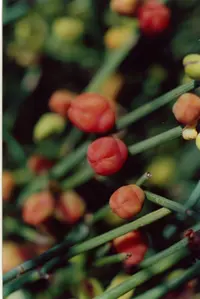
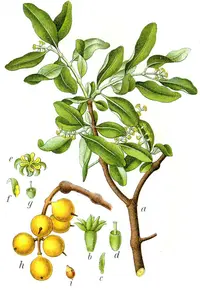
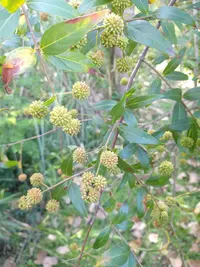
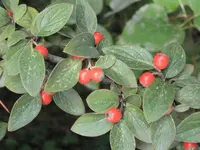
Orange cotoneaster (Cotoneaster franchetii) is a dense, semi-evergreen shrub often used in hedges, slopes, and wildlife-friendly gardens. It forms graceful arching branches covered with small, oval, grey-green leaves. In spring to early summer, it produces clusters of small white to pinkish flowers, followed by bright orange-red berries that stand out through autumn and into winter. This species naturally occurs in western China and has adapted well to many temperate climates. It is generally hardy, wind-tolerant, and suitable for low-maintenance landscapes, which makes it relatively easy to care for orange cotoneaster in typical garden conditions. It prefers sun to light shade and well-drained soil, and copes with short dry spells once established.

Main Plant Requirements

Care Difficulty

Easy Care

Light Preference

Full Sun

Water Requirements

Low Water

Temperature Preference

Cold Hardy

Hardiness Zone

5–8

Soil Texture

Sandy, Loamy, Clay

Soil pH

Slightly acidic (6.5–7.0), Slightly alkaline (7.0–7.5)

Soil Drainage

Well-drained

Fertilization

Minimal (feed rarely)

Get Personalized Care Plan

Scan your plant to receive care tips personalized for your specific plant

Available on iOS and Android

How to Care for the orange cotoneaster

This shrub prefers bright, open conditions to flower and fruit well.

  • Provide 6–8 hours of direct sun daily; morning sun with light afternoon shade is ideal in hot summer climates.
  • It tolerates partial shade (around 3–4 hours of direct sun), but orange cotoneaster will produce fewer flowers and berries in shadier sites.
  • Avoid very dark locations or dense shade, which cause weak, leggy growth; in hot, exposed south- or west-facing spots, monitor for leaf scorch during heatwaves and consider light filtering.

Cotoneaster franchetii prefers evenly moist but not saturated soil once established.

  • Before watering, allow the top 3–5 cm of soil to dry; check by feeling the soil rather than following a fixed schedule.
  • Ensure sharply drained soil or a sloped site so water does not pool around roots, which can cause yellowing leaves, wilting despite damp soil, and root rot.
  • During the first growing season, deep-soak when foliage begins to droop slightly; reduce frequency in cool, wet seasons but never let soil become dust-dry for long.

This hardy shrub tolerates a wide range of outdoor temperatures when planted in the ground.

  • Optimal growth occurs around 60–75°F (16–24°C) during the main growing season, with cooler nights supporting strong root and shoot development.
  • Mature plants typically withstand drops to about 0°F (−18°C) once established; in colder areas, some shoot dieback may occur but roots often survive under mulch.
  • In summer, it handles up to about 90–95°F (32–35°C) if soil is mulched and not allowed to dry out completely; prolonged extreme heat with hot winds can stress foliage.

Humidity is rarely critical for Cotoneaster franchetii as long as outdoor air is not extremely dry.

Cotoneaster franchetii prefers loose, well‑drained mineral soils that do not stay wet after rain or irrigation.

  • Use a loamy or sandy soil with moderate organic matter, aiming for a crumbly structure that breaks apart easily in the hand.
  • Target a slightly acidic to neutral pH around 6.0–7.5; add garden compost to improve structure without making it waterlogged.
  • For planting beds, mix coarse sand or fine grit into heavier clay soils to increase drainage and root aeration.
  • Avoid compacted, poorly drained spots where water stands for more than a few hours, as this greatly increases root rot risk.

This species can grow successfully in containers outdoors when the pot is chosen to support its woody, spreading habit.

  • Select a wide, heavy container to counterbalance the arching, shrub-like top growth and reduce tipping in strong wind.
  • Ensure the potting mix fills a deep enough container to allow a broad, fibrous root system to anchor and support new shoots.
  • Use a thick-walled terracotta or similarly porous material if extra evaporation is needed to prevent the mix from staying wet for long periods.

Cotoneaster franchetii grows well in average soil but benefits from light feeding in poor or very sandy ground.

  • Apply a balanced slow-release granular fertilizer (e.g., 8-8-8 or 10-10-10) once in early spring to support steady growth.
  • Use a low to moderate rate, roughly half the label recommendation, to avoid soft, overly lush shoots.
  • Supplement with a thin layer of garden compost around the root zone in spring as an organic nutrient source.
  • Do not feed in late fall or winter, as growth slows and extra nutrients are unnecessary.

Pruning helps keep Cotoneaster franchetii dense, healthy, and within its space.

  • Carry out main pruning in late winter or very early spring before new growth starts.
  • Remove dead, diseased, or crossing stems first, then thin crowded interior branches to improve light and airflow.
  • Shorten overly long or wayward shoots to shape the shrub, maintaining its natural arching habit.
  • Use sharp, clean hand pruners or loppers, making cuts just above a bud or side branch.

This shrub is usually grown in the ground; transplanting is more common than repotting long term containers.

  • Plan major transplanting for late fall or early spring when the plant is dormant and temperatures are mild.
  • Look for signs such as circling roots in containers, poor vigor, or the shrub outgrowing its space as cues to move it.
  • Dig a wide root ball, keep as much soil on the roots as possible, and replant at the same depth in a well-drained site.
  • Water thoroughly after transplanting, then keep soil evenly moist for several weeks to limit transplant shock and support new rooting.

Cotoneaster franchetii is commonly propagated by semi-ripe cuttings and by seeds with pre-treatment.

  • Take semi-ripe cuttings in mid to late summer, 8–10 cm long, from healthy non-flowering shoots.
  • Remove lower leaves, dip the base in rooting hormone, and place cuttings in a free-draining mix under bright, indirect light.
  • Maintain high humidity and moderate warmth (65–75°F) until roots form, usually in several weeks.
  • For seeds, use fresh, cleaned fruits, then provide a cold stratification period in moist medium before spring sowing.

This shrub is generally cold hardy, so orange cotoneaster indoor care is rarely necessary in typical garden conditions.

  • Mature plants tolerate moderate frost, but very young shrubs benefit from some shelter from harsh winter winds.
  • Apply a 5–8 cm layer of organic mulch around the root zone in late fall, keeping it slightly away from stems.
  • In colder regions, grow container plants in pots thick enough to insulate roots and move them to a sheltered, unheated area.

Care Tips

Windbreak training

In windy sites, lightly stake young plants and prune to a low, dense framework in the first 2–3 years so the shrub anchors well and resists wind rock that can loosen roots.

Wildlife-friendly use

When planning hedges, allow some older fruiting wood to remain unpruned each year so birds can feed on berries while new shoots maintain a dense, functional screen.

Targeted root mulching

Apply a 5–8 cm ring of coarse organic mulch just outside the drip line rather than against the stems to suppress weeds, keep surface roots cool, and reduce the risk of collar rot.

Efficient weed control

Use a breathable landscape fabric under gravel or bark in formal plantings to limit deep-rooted weeds without smothering the soil, then cut X-shaped slits where plants go in.

Integrated pest scouting

During late spring and early summer, inspect the undersides of leaves weekly for aphids and scale, and if colonies are small, wash them off with a firm water spray before considering insecticidal treatments, which is a practical approach when caring for orange cotoneaster.

Common Pests and Diseases

Fire blight

This disease causes blackened, wilted shoots that often bend into a distinctive shepherd’s crook, along with dark, shriveled leaves that remain attached. Symptoms include dieback of twigs and cankers on branches and sometimes the trunk.

Solution

Prune out infected shoots at least 20–30 cm below visible damage during dry weather, sterilizing tools between each cut with alcohol or a 10% bleach solution, and destroy all infected material. Avoid heavy nitrogen feeding, reduce overhead watering, and in high-risk areas consult local extension guidance about approved spring copper or streptomycin sprays for how to take care of orange cotoneaster in landscapes with frequent fire blight pressure.

Cotoneaster webworm

This pest is a small caterpillar whose feeding skeletonizes leaves and produces messy webbing that binds foliage and shoot tips together. Damage often appears in late spring to summer and can cause thin, brown patches on hedges or shrubs.

Solution

Cut out and dispose of heavily webbed or browned sections in early infestation stages and destroy the prunings. For larger populations, use Bacillus thuringiensis (Bt) or spinosad targeted to feeding larvae, and encourage natural predators by limiting broad-spectrum insecticide use and keeping the planting well maintained and not overly dense.

Aphids

These insects cluster on young stems and leaf undersides, sucking sap and causing curled, distorted growth and sticky honeydew deposits. Sooty mold can grow on the honeydew, making foliage look dull and dirty.

Solution

Spray affected shoots with a strong jet of water to dislodge colonies, then use insecticidal soap or horticultural oil as needed, coating leaf undersides thoroughly. Promote natural enemies such as lady beetles by avoiding broad-spectrum insecticides and reducing excess nitrogen fertilization that encourages very soft, lush growth.

Cotoneaster leaf spot

This disease causes small purple, reddish, or brown spots on leaves that may enlarge and lead to premature leaf drop, giving the shrub a thin or patchy appearance. Symptoms include worse defoliation in humid, poorly ventilated sites.

Solution

Rake and remove fallen leaves, prune to open the canopy and improve air movement, and avoid overhead watering, especially in the evening. In recurrent or severe cases, apply a labeled ornamental fungicide in spring as new leaves emerge, following the product directions carefully and focusing on thorough coverage of foliage.

Scale insects

These insects appear as small, immobile bumps on stems and sometimes leaves, feeding on sap and weakening the plant over time. This pest may cause yellowing foliage, dieback of twig tips, and sticky honeydew that can support sooty mold growth.

Solution

Prune out and dispose of heavily infested twigs, then wipe or gently scrub remaining scale with a soft brush or cloth where practical. For larger infestations, apply horticultural oil during the dormant season to smother overwintering scale and, if needed, a lighter oil spray during the growing season, ensuring good coverage of stems and branch crotches.

Interesting Facts

Natural smog filter

Dense plantings of this species in UK field studies have been shown to trap more airborne particulate pollution along busy roads than several common hedge alternatives, due to its finely branched, felted foliage.

Woolly leaf underside

The leaves are characteristically gray-green above and densely covered in short, felt-like hairs beneath, an adaptation that helps reduce water loss and protect against strong sunlight in its native mountain habitats.

Heavy berry producer

Mature shrubs can carry a very large display of small, orange to red pomes through autumn and winter, providing extended visual interest and an important cold-season food source for birds in many regions.

Botan icon

Did you know?

Genetic and field evidence indicate that this species, originally native to mountain areas of western China, has naturalized so successfully in parts of western Europe and New Zealand that it is now listed as an invasive shrub in several regions, where it can outcompete local flora on dry, rocky slopes.

FAQs about orange cotoneaster

This species is semi-evergreen to evergreen, depending on climate. In mild regions many leaves persist through winter, while colder areas cause partial leaf drop. Woody structure remains, and foliage typically renews quickly in spring.

Grow Healthy Plants with Botan Care

Keep your plants happy and healthy with plant identification, disease detection, and easy care guidance.

Botan plant care app — identify plants on mobile

Explore More Plants