Compact hedge training
Pinch only the soft shoot tips every 3–4 weeks during active growth to keep a dense, low hedge without creating coarse, woody stubs that ruin the plant’s shape.

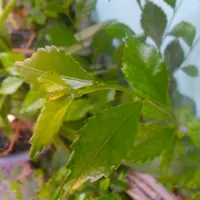
Acalypha siamensis is a compact tropical shrub often used for low hedges and edging in warm climates. It has small, closely set leaves that create a dense, tidy look. Native to Southeast Asia, it is commonly grown in gardens and as a landscape plant in frost-free regions. In cooler areas, it may be kept in containers and moved indoors during cold weather. It responds well to regular pruning, which helps maintain shape and encourages bushy growth. Understanding how to care for Acalypha siamensis focuses mainly on providing warmth, bright light, and evenly moist but well-drained soil.

Care Difficulty
Moderate Care

Light Preference
Partial Sun

Water Requirements
Regular Water

Temperature Preference
Tropical / Frost Sensitive

Hardiness Zone
10–11

Soil Texture
Sandy, Loamy, Organic-rich

Soil pH
Acidic (5.5–6.5), Slightly acidic (6.5–7.0)

Soil Drainage
Moist but well-drained

Fertilization
Moderate (every 2–4 weeks)
Scan your plant to receive care tips personalized for your specific plant
Available on iOS and Android
This shrub needs bright light with protection from harsh midday sun to keep foliage dense and colorful.
This plant prefers evenly moist, well-drained soil rather than constant wetness or long dry spells.
This tropical shrub grows best in warm, frost-free conditions with only mild temperature swings.
This species prefers moderately moist air but adapts to typical indoor humidity if not too dry.
This shrub grows best in loose, well-drained, organic-rich soil that stays evenly moist but not waterlogged.
This species is well suited to container culture on patios, balconies, and in warm courtyards.
This shrub responds well to moderate feeding during warm, active growth.
Thoughtful pruning keeps this plant dense, compact, and healthy.
This species is often grown as a hedge or shrub, but container plants benefit from periodic repotting.
New plants are most often produced from stem cuttings rather than seed.
This tropical shrub is frost-sensitive and needs protection in cooler climates.

Plant Health Check
Not sure what's wrong with your plant? Check your plant's health inside the app.
This species is widely used in Southeast Asia as a formal hedge because its naturally compact, many-branched growth responds very well to frequent clipping and forms tight, low walls of foliage.
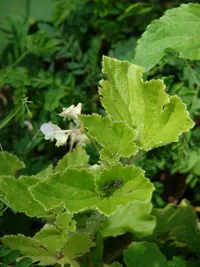
The small, ovate leaves often show richer bronze or coppery tones in higher light, while in shadier sites they tend to be greener, reflecting a plastic response of leaf pigments to light intensity.
It is native to warm, humid lowland habitats in mainland Southeast Asia, where it grows as a small shrub in open, disturbed areas and garden settings rather than in deep forest shade.
This species performs best outdoors in warm, frost-free climates where it gets high light and good air movement. It can be grown indoors with strong light and stable warmth, but growth is slower and shape often looser. Acalypha siamensis indoor care demands consistent conditions.
Keep your plants happy and healthy with plant identification, disease detection, and easy care guidance.