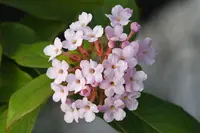
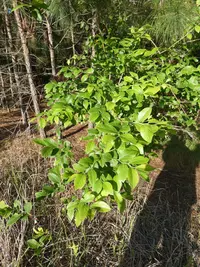
western cordilleran bunchberry Care (Cornus unalaschkensis)

Also known as: Western Dwarf Dogwood, Western Bunchberry
western cordilleran bunchberry

About western cordilleran bunchberry

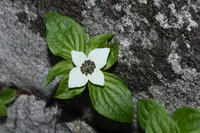
Western cordilleran bunchberry (Cornus unalaschkensis) is a low, rhizomatous woodland perennial related to dogwoods. It forms dense mats of foliage close to the ground, with small white flower bracts followed by bright red berries. Native to cool, moist forests of the Pacific Northwest and coastal Alaska, it typically grows under conifers or mixed woodland canopies. Its preference for consistently cool, damp, and shaded conditions can make it more demanding than many common garden perennials. Gardeners who learn how to care for western cordilleran bunchberry usually focus on replicating its natural forest floor habitat with humus-rich, well-drained soil and protection from heat and drying winds.

Main Plant Requirements

Care Difficulty

Moderate Care

Light Preference

Partial Shade

Water Requirements

Keep Soil Moist

Temperature Preference

Cold Hardy

Hardiness Zone

4–8

Soil Texture

Loamy, Silty, Organic-rich

Soil pH

Strongly acidic (4.5–5.5), Acidic (5.5–6.5)

Soil Drainage

Moist but well-drained

Fertilization

Minimal (feed rarely)

Get Personalized Care Plan

Scan your plant to receive care tips personalized for your specific plant

Available on iOS and Android

How to Care for the western cordilleran bunchberry

This woodland groundcover prefers cool, dappled light similar to a moist forest edge.

  • Provide 2–4 hours of soft morning sun with bright dappled or open shade the rest of the day; avoid harsh midday and afternoon sun, especially in summer.
  • In hotter regions, plant western cordilleran bunchberry where it receives filtered light under trees or on the east or north side of buildings to prevent leaf scorch.
  • Monitor leaves through the seasons: pale, elongated growth indicates too little light, while crisp, brown edges or bleached patches point to excessive sun exposure.

This species needs consistently moist, cool soil without becoming waterlogged.

  • Aim for soil that stays evenly damp; in the top 2–3 cm it should feel slightly moist, not soggy or dusty-dry when checked by hand.
  • Use humus-rich, well-draining soil so water infiltrates quickly yet holds moisture; standing water or a sour smell suggests poor drainage and overwatering stress for Cornus unalaschkensis.
  • During cool, rainy seasons, watering is rarely needed, but in dry spells water deeply when leaves begin to lose turgor or the surface soil turns pale and crumbly.

This plant is adapted to cool, coastal and montane climates with mild summers and cold winters.

  • Optimal growing temperatures are 50–70°F (10–21°C), with steady moisture helping the plant handle brief warmer periods.
  • The plant tolerates winter lows down to about 0°F (-18°C) when established and mulched, entering dormancy and resprouting in spring.
  • Prolonged heat above 80°F (27°C), especially with dry soil, causes stress; provide shade, mulch, and extra moisture during hot spells to protect foliage and roots.

This species prefers cool, moist air but usually adapts to typical home humidity if roots stay evenly moist.

  • Aim for 50–70% humidity, especially in heated homes where air dries out in winter.
  • Dry air can cause leaf edges to brown and curl, and flower bracts on western cordilleran bunchberry to shrivel early.
  • Increase humidity by grouping plants, setting pots on pebble trays with water below the base, or running a nearby cool-mist humidifier.

Cornus unalaschkensis grows best in loose, humus-rich soil that mimics a cool forest floor.

  • Use a mix of 40% fine pine bark, 40% peat or coco coir, and 20% perlite to create a moist but airy substrate.
  • Aim for pH 5.0–6.5, adding peat or leaf mold to acidify slightly if tap water or base soil is alkaline.
  • Ensure drainage is fast, with excess water exiting within seconds; avoid heavy clay, compacted mixes, or standing water around roots.
  • Incorporate coarse sand or extra perlite if the mix stays wet for more than 3–4 days after watering to prevent root decline.

This species can grow in containers if kept cool and consistently moist, but it is more demanding than typical patio plants.

  • Choose a wide, shallow container to accommodate its creeping rhizomes and prevent deep, stagnant wet zones.
  • Use thick-walled or ceramic pots that buffer temperature swings and keep the root zone cooler in summer.
  • Position the pot where it is shaded by other containers or structures so the sides do not overheat and dry the mix too quickly.

This woodland groundcover needs minimal feeding, as Cornus unalaschkensis is adapted to low-nutrient forest soils.

  • In garden beds, use a thin layer of leaf mold or compost in spring instead of synthetic fertilizers.
  • If needed, apply a light, balanced slow-release fertilizer (around 10-10-10) at half strength once in early spring.
  • Avoid feeding in late summer and winter to prevent soft growth that may be damaged by cold.

Pruning Cornus unalaschkensis is usually light and focused on cleanliness rather than shaping.

  • Best time for pruning is late winter to early spring before new growth starts.
  • Remove dead, damaged, or diseased stems with clean, sharp hand pruners at ground level.
  • Thin out crowded or overlapping stems to maintain airflow and reduce fungal problems.
  • Avoid heavy cutting, as this plant forms natural low mats and excessive pruning can reduce flowering.

This species is rarely kept in pots; care focuses on gentle transplanting within shaded beds.

  • Transplant in early spring or early fall when weather is cool and soil is moist.
  • Move plants only when clumps are crowded or growth declines, usually every several years.
  • Lift clumps with a trowel, keeping as much root and surrounding soil intact as possible to limit stress.
  • Replant at the same depth in humus-rich, well-drained soil and water thoroughly until re-established.

Cornus unalaschkensis is most often propagated by division of established clumps rather than seed.

  • Divide plants in early spring or early fall when soil is cool and workable.
  • Carefully lift a clump and separate sections with several shoots and healthy roots each.
  • Replant divisions promptly into moist, humus-rich soil, keeping crown level with the surface.
  • For seed, use fresh seed, provide cold stratification, and expect slow, uneven germination.

This plant is cold hardy in suitable climates and usually needs little special winter care.

  • Tolerates typical winter frosts in its native range once established in the ground.
  • Apply 3–5 cm of leaf mulch around the root zone in late fall to stabilize soil temperature.
  • For container-grown plants, move pots into an unheated garage or sheltered cold frame to avoid root freeze-thaw cycles.

Care Tips

Leaf mulch layer

Maintain a 3–5 cm layer of shredded deciduous leaves around the plants to mimic forest litter, keep roots cool, and suppress competing weeds without disturbing the shallow rhizomes.

Rhizome division timing

Divide clumps only in early spring just as new shoots bud, lifting sections with a broad spade and keeping each division with several shoots and intact roots to reduce transplant shock.

Understory companion planting

Plant under open-canopy shrubs or small trees that cast dappled shade, such as witch hazel or vine maple, to create a stable, woodland microclimate that supports long-term colony formation when growing western cordilleran bunchberry.

Moisture-check method

Use a narrow trowel to open a small slit in the soil 5–8 cm deep at the edge of the patch to check that the root zone stays evenly moist, then firm the soil back gently to avoid root disturbance.

Winter ground protection

In colder regions, apply an extra mulch layer after the ground has lightly frozen to insulate rhizomes from freeze–thaw cycles that can heave plants out of the soil.

Common Pests and Diseases

Dogwood anthracnose

This disease causes tan to brown leaf spots with purple margins, leaf scorch, and dieback of young shoots, especially in cool, wet conditions under forest shade. Symptoms include blighted leaves that may cling to stems and progressive twig death from the top down.

Solution

Remove and dispose of infected leaves and dead twigs to reduce fungal spores, and avoid overhead watering to keep foliage as dry as possible. Improve airflow by thinning surrounding vegetation where feasible, and in severe or recurring cases, a registered fungicide for dogwood anthracnose can be applied at bud break and repeated as directed on the label.

Leaf spot fungi

This disease group produces small to medium dark or tan spots on leaves that may merge into larger blotches, often more noticeable during extended rainy periods. Symptoms include premature yellowing and shedding of older foliage while new growth may remain relatively healthy.

Solution

Collect and discard fallen leaves to reduce inoculum, and water at soil level so foliage dries quickly. If defoliation becomes heavy in consecutive years, apply an appropriate fungicide early in the season when new leaves expand, following the exact timing and rates on the product label.

Powdery mildew

This disease shows as a white to gray powdery coating on upper leaf surfaces and sometimes on stems, typically in shaded, humid conditions with limited air movement. Symptoms include distorted new leaves, reduced vigor, and a dull, faded appearance of the groundcover mat.

Solution

Increase air circulation by gently thinning dense surrounding vegetation and avoid excess nitrogen fertilization that encourages soft, susceptible growth. Remove heavily affected leaves and, when needed, use a labeled powdery mildew fungicide early in the infection period, repeating according to label directions.

Scale insects

These insects appear as small, immobile bumps on stems and leaf veins, feeding on plant sap and weakening the plant over time. Symptoms include sticky honeydew, sooty mold growth on nearby surfaces, and gradual thinning of the foliage mat.

Solution

Prune out and discard heavily infested stems, then wipe remaining scale with a cotton pad dipped in diluted alcohol or insecticidal soap. For larger colonies, apply a horticultural oil spray during the appropriate season to smother the insects, ensuring thorough coverage of stems and leaf undersides.

Slugs and snails

This pest group feeds on tender leaves and new shoots, creating irregular holes and ragged edges, especially in moist, shaded sites typical of natural stands. Symptoms include silvery slime trails on soil and foliage and reduced groundcover density where feeding is heavy.

Solution

Hand-pick slugs and snails in the evening or early morning and remove nearby debris, boards, and thick mulch layers that provide hiding places. Where pressure stays high, use iron phosphate bait placed around but not directly on the plants, and maintain slightly drier surface conditions when possible to discourage activity while still meeting moisture needs for Cornus unalaschkensis care.

Interesting Facts

Pacific coastal specialist

This species is naturally restricted to cool, moist coastal forests from Alaska to northern California, where it carpets the understory in shaded, conifer-dominated habitats.

Clonal forest carpets

It often spreads by underground rhizomes, forming large clonal patches so that what looks like many small plants can actually be a single genetic individual extended over several meters.

Dogwood look-alike blooms

The showy white structures that appear to be petals are actually modified leaves called bracts, which surround a tight cluster of tiny true flowers in the center, a trait shared with its larger dogwood relatives.

Botan icon

Did you know?

Genetic and morphological studies suggest that this species is part of a complex with Cornus canadensis and Cornus suecica, making it an important taxon for understanding the evolution and biogeography of dwarf dogwoods across northern North America and Eurasia.

FAQs about western cordilleran bunchberry

This species spreads slowly to moderately by shallow rhizomes and self-seeding, forming loose mats over time. It is not considered aggressive. Edges are usually easy to manage with hand-pulling or a shallow border in garden settings.

Grow Healthy Plants with Botan Care

Keep your plants happy and healthy with plant identification, disease detection, and easy care guidance.

Botan plant care app — identify plants on mobile

Explore More Plants