Portuguese angelica Care (Angelica pachycarpa)

Also known as: Angelica, Shiny-leaved angelica
Portuguese angelica

About Portuguese angelica

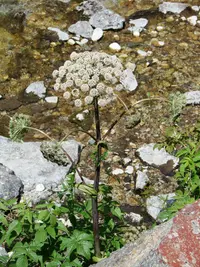
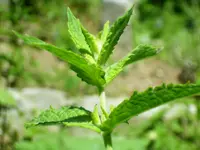
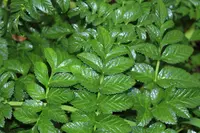
Portuguese angelica (Angelica pachycarpa) is a short-lived perennial or biennial herb grown for its glossy, dark green, strongly textured leaves and domed umbels of greenish-white flowers. It forms a clumping rosette and upright flowering stems, giving a bold, architectural look in mixed borders or coastal gardens.

This species is native to coastal areas of Portugal and northwestern Spain, so it copes well with mild, maritime climates and wind. It is generally considered moderate in difficulty, as it prefers cool conditions, consistent moisture, and fertile, well-drained soil. Gardeners who care for Portuguese angelica should allow enough space and be prepared for its relatively short lifespan and potential self-seeding.

Main Plant Requirements

Care Difficulty

Moderate Care

Light Preference

Partial Shade

Water Requirements

Regular Water

Temperature Preference

Cool Climate

Hardiness Zone

7–10

Soil Texture

Loamy, Silty, Organic-rich

Soil pH

Acidic (5.5–6.5), Slightly acidic (6.5–7.0)

Soil Drainage

Moist but well-drained

Fertilization

Light (every 4–6 weeks)

Get Personalized Care Plan

Scan your plant to receive care tips personalized for your specific plant

Available on iOS and Android

How to Care for the Portuguese angelica

Angelica pachycarpa prefers bright, gentle light that mimics cool coastal conditions.

  • Provide 3–5 hours of morning sun with light or dappled shade in the afternoon, especially in summer.
  • Tolerates partial shade, but dense shade reduces vigor and flowering; aim for at least bright, open shade most of the day.
  • In hot climates, protect Portuguese angelica from strong midday sun to prevent leaf scorch and excessive wilting.

This plant prefers evenly moist, cool soil rather than cycles of drying and soaking.

  • Outdoors in the ground, water when the top 3–5 cm of soil feels just dry, then soak the root zone thoroughly.
  • Use deep, infrequent watering on well-drained but moisture-retentive soil; add organic matter to improve both drainage and water holding.
  • Reduce watering in cool, wet seasons; yellowing, soft stems suggest overwatering, while limp, dull leaves and dry soil indicate underwatering in Angelica pachycarpa.

This species grows best in mild, maritime-type climates with cool summers.

  • Optimal growth occurs around 55–70°F (13–21°C), with steady moisture and protection from drying winds.
  • Mature plants tolerate brief drops to about 20–25°F (-6 to -4°C), but new growth and seedlings are more frost-sensitive.
  • In hot spells above 80–85°F (27–29°C), provide extra shade and soil moisture, as prolonged heat stress can cause leaf scorch and early decline.

This species prefers moderately moist air but usually adapts to typical household humidity.

  • Aim for 40–60% humidity to reduce leaf edge browning and tip dieback.
  • It tolerates short spells of drier air, but prolonged humidity below 30% can cause dull, crispy foliage on Portuguese angelica.
  • Increase humidity with a nearby open-water tray or grouping plants together rather than misting leaves directly.

Angelica pachycarpa grows best in deep, moist, yet well-drained, organic-rich soil.

  • Use a loamy mix with fine structure: 2 parts compost, 1 part garden soil, 1 part coarse sand or perlite for drainage.
  • Keep the soil evenly moist but never waterlogged; excess standing water quickly leads to root rot in this species.
  • Aim for slightly acidic to neutral pH around 6.0–7.0 for optimal nutrient availability and stable growth.
  • Improve aeration by incorporating coarse materials such as grit or bark fines, and avoid compacted clay or heavy peat-only mixes.

This species can be grown in containers if the pot is deep and stable enough for its strong taproot and leafy top growth.

  • Choose a tall, heavy pot that resists wind tipping and allows the taproot to extend downward without curling tightly.
  • Fill the container with a moisture-retentive yet sharply draining mix, and raise the pot on feet so drainage holes never sit in collected water.
  • Position the container in a spot where the foliage has room to spread without being crushed against walls or railings, which can trap moisture and encourage rot.

Angelica pachycarpa benefits from light feeding during its active growing season but does not need heavy fertilization.

  • Use a balanced, water-soluble fertilizer (for example 10-10-10) diluted to 50% strength for caring for Portuguese angelica in containers.
  • Apply every 4–6 weeks in spring and summer when growth is strong.
  • In the ground, mix in well-rotted compost or leaf mold once in spring instead of frequent liquid feeds.
  • Stop feeding in fall and winter to avoid weak, frost-tender growth.

Angelica pachycarpa needs only light pruning focused on hygiene and managing flowering stems.

  • In late winter or early spring, remove dead, damaged, or diseased stems with clean, sharp pruners.
  • Cut back spent flowering stalks at the base to reduce self-seeding and keep clumps tidy.
  • Thin crowded stems lightly to improve air flow and reduce fungal problems.
  • Avoid hard cutting into the crown, as this can weaken the plant and shorten its lifespan.

This angelica is usually grown in the ground, so transplanting young plants is more common than container repotting.

  • Transplant seedlings or young Angelica pachycarpa plants in early spring or early fall, when temperatures are mild.
  • Move plants only if roots circle the pot, growth stalls, or soil dries out extremely fast.
  • Choose a slightly larger hole or container with free-draining, fertile soil and plant at the same depth as before.
  • Water thoroughly after transplanting, shade from strong sun for 3–5 days, and keep soil evenly moist to limit root stress.

Angelica pachycarpa is most reliably propagated from fresh seed rather than division or cuttings.

  • Sow seeds in late summer to fall or very early spring, as they lose viability quickly.
  • Use trays or pots filled with moist, free-draining seed compost and barely cover the seeds.
  • Expose seed pots to cool conditions (natural winter chilling) to break dormancy and encourage germination.
  • Keep the substrate evenly moist, then transplant seedlings carefully once they have 2–3 true leaves.

This angelica is moderately hardy and usually needs only simple winter care in temperate climates.

  • In cold regions, apply a 5–8 cm mulch of compost or leaf mold around the crown once the soil cools.
  • Allow top growth to die back naturally, then remove mushy stems to prevent rot.
  • Container plants in very cold areas can be moved to a sheltered, unheated but frost-light space.
  • Avoid waterlogged soil in winter, which increases crown and root rot risk.

Care Tips

Sturdy wind support

In exposed sites, insert a discreet stake on the windward side early in the season and tie stems loosely with soft ties to prevent snapping of the hollow flowering stalks in strong wind or heavy rain.

Self‑seeding management

After flowering, remove most seed heads before they dry if you want to keep the plant compact, but leave a few to mature and drop seed where you would like new plants to appear the following year.

Succession replanting

Because this species is short-lived, start new plants from seed in late summer or early autumn in nursery trays so you can transplant robust young plants the following spring and maintain a continuous display.

Slugs and snails barrier

Place coarse grit or rough diatomaceous earth in a narrow ring around young crowns to reduce slug and snail damage to the emerging foliage without resorting immediately to strong pesticides when growing Portuguese angelica outdoors.

Cutting back strategy

After the main flower stems fade, cut them back close to the base but leave the leafy lower growth if it is still green, which can extend the plant’s life and help it store more energy before it declines.

Common Pests and Diseases

Leaf miner larvae

This pest creates narrow, winding tunnels inside the thick, glossy leaf blades, which later turn pale or brown. Symptoms include distorted foliage and reduced ornamental value, especially on older rosettes.

Solution

Remove and destroy leaves showing fresh mines to break the lifecycle, and keep surrounding umbellifer weeds down to reduce nearby host plants. In outdoor clumps, encourage natural predators (parasitic wasps, birds) and, if damage is heavy, use a targeted neem or spinosad spray on young foliage, following label directions.

Cow parsley aphids

These insects cluster on tender stems, flower stalks, and leaf undersides, sucking sap and causing curling, sticky leaves with honeydew that can attract sooty mold. Infestations often increase when nearby Apiaceae such as cow parsley or fennel are present.

Solution

Spray colonies off with a firm jet of water and pinch off heavily infested soft tips. Improve air movement around plants, avoid excessive nitrogen fertiliser, and, if needed, apply insecticidal soap or horticultural oil thoroughly to stems and leaf undersides, repeating as directed.

Powdery mildew

This disease causes white to gray, powdery patches on the upper leaf surface, often starting on crowded or drought-stressed plants. Affected leaves can yellow, curl, and age prematurely, reducing plant vigor and ornamental quality.

Solution

Thin or divide congested clumps to improve airflow and avoid overhead watering late in the day. Remove and dispose of heavily infected leaves and, if outbreaks are recurrent, apply a sulfur or potassium bicarbonate fungicide early in the season, following label instructions as part of broader Angelica pachycarpa care instructions.

Bacterial leaf spot

This disease produces small, water-soaked spots on leaves that turn brown with a yellow halo and may merge into larger dead patches. Symptoms include ragged leaf edges where tissue has died and dropped out, especially in wet, splashy conditions.

Solution

Promptly remove and discard affected leaves, and avoid overhead irrigation or working among plants when foliage is wet. Improve spacing for faster drying and, if the problem persists, rotate plantings and avoid replanting Angelica in the same infected soil for a few years.

Crown and collar rot

This disease affects the base of the plant where leaf stalks meet the root, leading to soft, brown tissue, wilting, and collapse, especially in heavy, poorly drained soils. Symptoms include a sour odor and easy separation of rotted crown tissue from still-firm roots.

Solution

Improve drainage by planting in raised beds or well-amended soil and avoid letting water stand around the crown. Remove and discard severely affected plants, keep mulch pulled back 5–8 cm from the base, and avoid overwatering, especially in cool weather.

Interesting Facts

Glossy evergreen foliage

This species is unusual among angelicas because it keeps its thick, glossy, dark green leaves year-round in mild Atlantic climates, giving it a more shrub-like presence than the typically herbaceous, deciduous relatives in its genus.

Native Atlantic coastal range

It is naturally restricted to the oceanic coasts of northwestern Iberia, especially northern Portugal and Galicia in Spain, where it grows on sea cliffs, dunes, and rocky slopes influenced by salty winds and high humidity.

Short-lived perennial habit

Unlike many long-lived umbellifers, it behaves as a short-lived perennial or sometimes a biennial, often flowering and declining within a few years, which means wild populations rely on frequent reseeding to remain stable.

Botan icon

Did you know?

The large, dome-shaped flower umbels of this species are highly attractive to a wide range of pollinating insects in its native coastal habitats, including beetles, flies, and various wild bees, making it a locally important nectar and pollen source in Atlantic cliff and dune ecosystems.

FAQs about Portuguese angelica

Browning leaves usually result from drought stress, hot drying winds, or excess fertilizer salts in the soil. Check soil moisture, provide shelter from strong wind, and flush the pot or bed with water to reduce built-up salts.

Grow Healthy Plants with Botan Care

Keep your plants happy and healthy with plant identification, disease detection, and easy care guidance.

Botan plant care app — identify plants on mobile

Explore More Plants