Stake Tall Stems
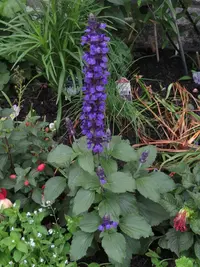
Install slender stakes or a wire ring early in the season and loosely tie developing stems so the tall, hollow flower stalks do not lodge or snap in wind or heavy rain.

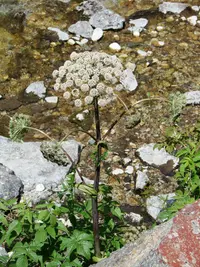
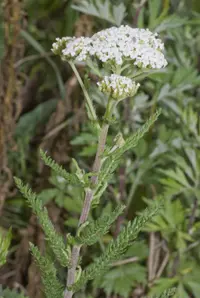
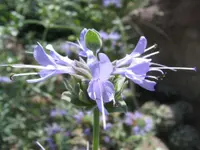
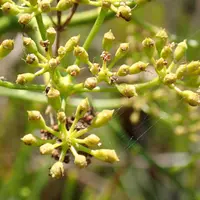
Angelica razulii is a perennial herb in the carrot family, likely forming clumps of upright, hollow stems with divided leaves and umbrella-shaped flower clusters. It is a little-known species, probably native to cool, moist habitats such as montane meadows or stream edges.
Information on its cultivation is limited, so gardeners usually treat it like other Angelica species that prefer cool summers, consistent moisture, and rich, well-drained soil. Anyone wanting to care for Angelica razulii should expect a plant that may be short-lived but can self-sow under suitable conditions.

Care Difficulty
Moderate Care

Light Preference
Partial Shade

Water Requirements
Moderate Water

Temperature Preference
Warm Climate

Hardiness Zone
Unknown

Soil Texture
Loamy

Soil pH
Slightly acidic (6.5–7.0)

Soil Drainage
Well-drained

Fertilization
Minimal (feed rarely)
Scan your plant to receive care tips personalized for your specific plant
Available on iOS and Android
This species prefers bright, open conditions but not harsh, all-day sun.
This plant performs best in consistently moist but well-drained soil.
This plant favors cool to moderately warm conditions typical of temperate climates.
This species benefits from moderate, consistently moist air but usually adapts to typical household humidity.
Angelica razulii prefers deep, moist, well-drained soil with a loose, fertile structure.
This species can be grown in containers if given a deep, stable pot that manages moisture well.
This species is often found in nutrient-rich natural sites and usually needs only light feeding in cultivation.
Pruning needs are modest and focus on keeping the plant tidy and healthy rather than shaping it heavily.
This species is usually grown in the ground, so management focuses on careful transplanting rather than frequent repotting.
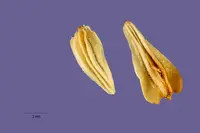
Propagation is typically done from seed, with some attention to timing and temperature for reliable results.
Cold tolerance is generally good, but basic winter care helps maintain crown and root health in exposed sites.

Plant Health Check
Not sure what's wrong with your plant? Check your plant's health inside the app.
This species is believed to have a very limited natural distribution, reported only from specific moist, montane habitats, which makes accurate field documentation especially important for botanists studying regional Angelica diversity.
Angelica razulii has appeared in some regional floras and checklists with sparse supporting herbarium specimens, so its exact status, distribution, and distinctness from closely related Angelica taxa remain topics of ongoing taxonomic review.
This species forms a clump and can self-seed around the parent plant, but it is not usually considered aggressively spreading. Remove spent flower heads before seeds ripen if a controlled, contained planting is preferred.
Keep your plants happy and healthy with plant identification, disease detection, and easy care guidance.