Encourage Bushy Form
Pinch back soft shoot tips in late spring to promote a denser, bushier clump instead of a few tall, floppy stems, especially in young plants.

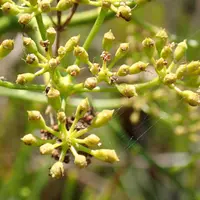
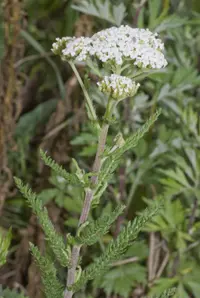
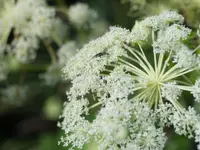
Common Finkel, Anginon difforme, is a small, soft-wooded perennial from the carrot family. It typically forms low clumps with finely divided, feathery foliage and delicate umbels of tiny flowers.
This species is native to South Africa, where it grows in rocky, well-drained habitats with seasonal dry periods. Its natural growth habit makes it suited to sunny, open conditions.
Anginon difforme tends to be moderately easy to grow if given good drainage and protection from prolonged wet or very cold conditions. Gardeners who understand how to care for Common Finkel usually succeed in mild, low-humidity climates.

Care Difficulty
Moderate Care

Light Preference
Full Sun

Water Requirements
Moderate Water

Temperature Preference
Warm Climate

Hardiness Zone
9–11

Soil Texture
Sandy, Loamy, Rocky

Soil pH
Slightly acidic (6.5–7.0), Neutral (7.0)

Soil Drainage
Well-drained

Fertilization
Minimal (feed rarely)
Scan your plant to receive care tips personalized for your specific plant
Available on iOS and Android
This hardy South African umbellifer prefers bright, open conditions similar to its native rocky slopes.
This drought-tolerant perennial prefers infrequent but deep watering once established.
This species prefers mild, dry conditions and does not tolerate severe cold or extreme heat well.
This species tolerates a fairly wide humidity range but grows best in moderately dry air.
Anginon difforme prefers a lean, well-drained mineral soil that does not stay wet.
This species can be grown in containers if the pot is set up to mimic fast-draining, rocky ground.
Anginon difforme is adapted to low-nutrient soils and usually needs only light feeding in cultivation.
Anginon difforme needs minimal pruning, mainly to keep the plant tidy and healthy.
This species is more often grown in the ground, so care focuses on careful transplanting rather than frequent repotting.
Anginon difforme is usually propagated from seed, which gives the best results for establishing new plants.
This plant is generally cold hardy in mild to moderate climates and needs only simple winter care.

Plant Health Check
Not sure what's wrong with your plant? Check your plant's health inside the app.
This species is endemic to the coastal regions of South Africa, where it typically grows in rocky, sandy habitats exposed to wind and salt spray.
The plant produces finely divided, fennel-like leaves with a noticeable aromatic scent, a characteristic feature among many Apiaceae members.
It bears its small flowers in classic umbel inflorescences, which provide easy access to a wide range of pollinating insects in its native habitat.
Poor flowering often results from excess shade, nutrient-rich or wet soil, or plants that are still immature. This umbellifer typically blooms best in open, sunny, well-drained, low-fertility conditions and may take a few seasons to establish.
Keep your plants happy and healthy with plant identification, disease detection, and easy care guidance.