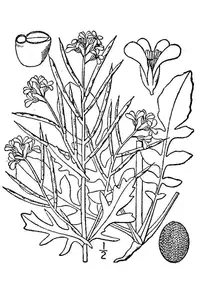
Dahurian angelica Care (Angelica dahurica)

Dahurian angelica

About Dahurian angelica

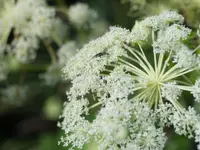
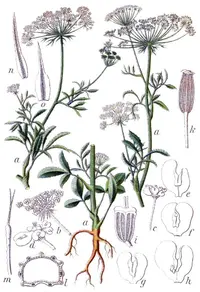
Dahurian angelica (Angelica dahurica) is a hardy, upright perennial herb in the carrot family, grown mainly for its aromatic roots and foliage. It forms tall, hollow stems with divided, bright green leaves and rounded clusters of small white flowers.

This species is native to East Asia, where it grows in open meadows, forest margins, and riverbanks. It generally prefers cool to mild climates, moist but well-drained soil, and consistent moisture, which makes it moderately easy to manage in suitable regions. Gardeners who want to learn how to care for Dahurian angelica should note its need for space, regular watering, and protection from extreme heat.

Main Plant Requirements

Care Difficulty

Moderate Care

Light Preference

Partial Sun

Water Requirements

Regular Water

Temperature Preference

Cold Hardy

Hardiness Zone

4–8

Soil Texture

Loamy, Silty, Organic-rich

Soil pH

Acidic (5.5–6.5), Slightly acidic (6.5–7.0)

Soil Drainage

Moist but well-drained

Fertilization

Minimal (feed rarely)

Get Personalized Care Plan

Scan your plant to receive care tips personalized for your specific plant

Available on iOS and Android

How to Care for the Dahurian angelica

This perennial prefers bright outdoor conditions with moderate direct sun each day.

  • Provide 4–6 hours of direct sun, ideally gentle morning sun with light afternoon shade to prevent leaf scorch on Dahurian angelica.
  • Allow for partial shade in hotter regions; dappled or filtered light during the midday period helps maintain steady growth and reduces stress.
  • Watch for pale, leggy stems as a sign of insufficient light, and crisp, brown leaf edges as an indicator of excessive intense sun exposure.

This species prefers consistently moist but not waterlogged soil.

  • Water when the top 3–5 cm of soil feels slightly dry, aiming to keep the root zone evenly damp during active growth without standing water.
  • Use deep, occasional soaking rather than light splashes, and ensure soil drains freely to limit root rot risk for Angelica dahurica in heavier soils.
  • In cooler or rainy seasons reduce frequency, watching for yellowing, limp foliage as a sign of overwatering and drooping, dry leaves as a sign of underwatering.

This hardy perennial tolerates cool climates but grows best in mild conditions.

  • Aim for active growth in 60–75°F (16–24°C), where stems elongate steadily and foliage remains dense and robust.
  • Mature plants tolerate down to about 5°F (-15°C) with mulch protection, but young plants are safer above 25°F (-4°C) to avoid cold damage to crowns.
  • Heat above 85°F (29°C) can slow growth; provide extra shade and moisture in hot spells, and expect natural dieback in winter with regrowth in spring.

This species grows well in typical outdoor humidity and rarely needs special adjustments.

This plant prefers deep, moist but free-draining soil to support its taproot and tall growth.

  • Use a loamy, organic-rich soil that holds moisture yet crumbles easily when squeezed, supporting both drainage and root penetration.
  • Aim for a slightly acidic to neutral pH around 6.0–7.0 to keep nutrients available for Angelica dahurica.
  • Blend garden soil with 30–40% compost plus 10–20% coarse sand or fine gravel to improve structure and drainage.
  • Avoid heavy, compacted clay or waterlogged sites, and loosen the top 25–30 cm to increase aeration around the root zone.

This species can grow in containers, but the pot must accommodate a strong taproot and tall, leafy stems.

  • Choose a deep, heavy container to provide room for the taproot and reduce tipping in wind or rain.
  • Fill the pot with a rich, moisture-retentive mix over a coarse drainage layer so excess water moves quickly away from the root crown.
  • Place the container where it will not overheat, since dark pots in full sun can raise root-zone temperatures and dry the mix too fast.

This plant benefits from modest feeding to support leafy growth and root development during the active season.

  • Apply a balanced liquid fertilizer (such as 10-10-10) at 1/2 strength every 4–6 weeks in spring and summer.
  • Use compost or well-rotted manure as a light top-dressing once in spring for Dahurian angelica grown in poor soils.
  • Avoid overfeeding; excessive nitrogen can cause weak, lush growth and reduce root quality.
  • Stop feeding in late summer to allow growth to harden before winter dormancy.

Pruning needs for Angelica dahurica are minimal and mainly focused on hygiene and seed control.

  • Cut away dead, damaged, or diseased stems whenever noticed, using clean, sharp pruners.
  • In late fall or early spring, remove spent flower stalks to reduce self-seeding and tidy the clump.
  • Thin crowded stems at the base to improve airflow and reduce fungal problems.
  • Make clean cuts just above healthy buds or at the base of stems to avoid tearing tissues.

This deep-rooted perennial is usually grown in the ground, so focus on careful transplanting rather than frequent repotting.

  • Transplant in early spring or early fall when growth is slow and temperatures are mild.
  • Look for signs such as stunted growth, roots circling a pot, or soil drying very fast before moving container plants.
  • Handle the taproot gently; disturb the root ball as little as possible and replant at the same depth in loose, well-drained soil.
  • Water thoroughly after transplanting, then keep soil consistently moist but not waterlogged for 1–2 weeks to limit transplant shock.

Angelica dahurica is most commonly propagated from fresh seed, which has relatively short viability.

  • Sow seeds in late summer to early fall or very early spring, as they benefit from cool conditions for germination.
  • Use a free-draining seed mix, keep it evenly moist, and place trays in bright, indirect light outdoors or in a cold frame.
  • Lightly cover seeds, since they need some exposure to light and cool temperatures to break dormancy.
  • Thin seedlings once true leaves appear, then transplant carefully to final positions before roots become too deep.

This species is cold hardy in many temperate climates and usually needs only light winter care in the ground.

  • Tolerates typical winter frosts, but young plants benefit from a 5–8 cm mulch layer over the root zone.
  • Apply straw, shredded leaves, or compost after the soil cools to buffer freeze–thaw cycles.
  • For container-grown plants, move pots to a sheltered spot or unheated garage to protect roots from deep freezing.

Care Tips

Sturdy staking early

Install low, sturdy stakes or a simple ring support when plants are 15–20 cm tall so tall hollow stems develop straight and are less likely to snap in strong wind later.

Progressive thinning

Thin crowded seedlings in 2–3 stages instead of all at once, removing weaker plants gradually to reach final spacing of 30–40 cm while reducing stress and transplant shock.

Targeted root harvest

For medicinal or culinary root use, mark the most vigorous first-year plants during midsummer and lift those marked individuals in late autumn of the first year for the best root quality.

Winter crown protection

In colder regions, apply a loose mulch layer of 5–7 cm over the crown after the ground cools in late fall, and pull it back in early spring to protect overwintering plants without encouraging rot.

Controlled self-seeding

Allow a few selected seed heads to mature and drop where desired, but remove the rest promptly after flowering to prevent excessive self-sowing and maintain manageable stands when growing Dahurian angelica.

Common Pests and Diseases

Leaf spot

This disease causes brown to dark purplish spots that may coalesce, leading to large dead areas on leaves and premature yellowing. Symptoms include faster spread in cool, wet weather or in dense plantings.

Solution

Remove and discard heavily spotted or yellowing leaves and any fallen debris to reduce fungal spores. Improve spacing and airflow, avoid overhead watering, and, for valuable plantings, apply a copper- or chlorothalonil-based fungicide according to label directions at the first signs of spotting.

Powdery mildew

This disease produces white, powdery growth on upper leaf surfaces, stems, and sometimes flower stalks, often appearing in late summer under humid but not overly wet conditions. Symptoms include distorted, dull, or prematurely yellowing foliage.

Solution

Increase light and airflow by thinning crowded stems and nearby vegetation and water at soil level to keep foliage dry. Remove and discard the most affected leaves and, if needed, use a sulfur or potassium bicarbonate fungicide labeled for herbs, applied early in the infection period as part of Angelica dahurica care instructions.

Aphids

These insects cluster on young stems, leaf undersides, and flower stalks, sucking sap and causing distorted growth and sticky honeydew that can attract sooty mold. This pest can also vector viral diseases between plants.

Solution

Wash colonies off with a strong but controlled stream of water, repeating every few days as needed. For persistent infestations, use insecticidal soap or neem oil, ensuring thorough coverage of leaf undersides and new growth while avoiding spraying in direct hot sun.

Carrot rust fly

This pest lays eggs near the root zone, and the larvae tunnel into the thickened roots, causing brown galleries, stunting, and poor root quality in this Apiaceae crop. Symptoms include wilting in dry conditions and discolored, damaged roots at harvest.

Solution

Use fine insect netting or row covers from early spring to prevent adult flies from reaching plants, and avoid sowing near Apiaceae crops previously affected. Rotate planting areas yearly, harvest promptly, and remove all root debris to reduce overwintering larvae.

Crown rot complex

This disease affects the collar where stem meets soil, causing water-soaked, then brown and softened tissue, often followed by sudden wilting and collapse, especially in heavy, wet soils. Symptoms include a foul smell or blackened tissue at the crown and failure of new shoots to develop properly.

Solution

Improve drainage by loosening soil and avoiding low, waterlogged spots, and water only when the topsoil has started to dry. Remove and discard severely affected plants with their surrounding soil, then replant in a better-drained location or raised bed and avoid overhead irrigation that keeps the crown wet for long periods.

Interesting Facts

Distinct aromatic root

This species produces thick, white, strongly aromatic roots that have been collected and traded in East Asia for centuries as a valued crude drug material under names such as Bai Zhi.

Cold-tolerant Umbellifer

Native to northern China, Korea, and parts of eastern Russia, it tolerates colder climates better than many related Angelica species and can grow in regions with long, cold winters.

Specialist insect visitors

The compound umbels with many small white flowers provide accessible nectar and pollen to a range of insects, but field observations in East Asia show frequent visits by specific hoverflies and solitary bees that favor Apiaceae flowers.

Botan icon

Did you know?

Genetic and morphological studies place this species as a distinct lineage within the Angelica complex, and it has been used as a reference taxon in research exploring how mountain and temperate Asian climates drove diversification in the carrot family Apiaceae.

FAQs about Dahurian angelica

Roots and seeds are used in traditional East Asian herbal medicine and some regional cuisines, but identification must be certain because other umbellifers can be toxic. Home use should follow professional guidance due to possible allergies, interactions, and dosage issues.

Grow Healthy Plants with Botan Care

Keep your plants happy and healthy with plant identification, disease detection, and easy care guidance.

Botan plant care app — identify plants on mobile

Explore More Plants