Progressive site expansion
If growing in a naturalized area, gradually extend the planting by moving seedheads or topsoil with established rhizomes 30–60 cm outward each year to form a controlled colony instead of random self-seeding patches.

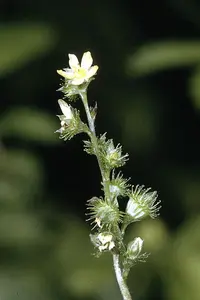
Tall hairy agrimony (Agrimonia gryposepala) is a hardy perennial herb in the rose family, known for its upright stems and small yellow flowers held on slender spikes. The plant has softly hairy leaves and stems, giving it a slightly rough texture and a distinct woodland or meadow look.
It is native to North America and typically grows along woodland edges, roadsides, and moist, open habitats. This species is generally undemanding, which makes it moderately easy to grow in gardens.
It prefers sun to light shade, moderately moist but well-drained soil, and tolerates a range of soil types. Understanding these basic needs helps gardeners know how to care for tall hairy agrimony with minimal effort.

Care Difficulty
Easy Care

Light Preference
Full Sun

Water Requirements
Moderate Water

Temperature Preference
Cold Hardy

Hardiness Zone
3–8

Soil Texture
Sandy, Loamy, Silty

Soil pH
Acidic (5.5–6.5), Slightly acidic (6.5–7.0)

Soil Drainage
Moist but well-drained

Fertilization
Minimal (feed rarely)
Scan your plant to receive care tips personalized for your specific plant
Available on iOS and Android
Agrimonia gryposepala grows best in open sites with consistent direct light during the growing season.
Agrimonia gryposepala prefers evenly moist, not soggy, soil once established outdoors.
This hardy perennial tolerates a wide temperature range typical of temperate climates.
This species tolerates a wide humidity range and rarely needs special humidity management outdoors.
This species thrives in moderately fertile, moisture-retentive but well-drained soil.
This species can be grown in containers, but performance is usually better in open ground.
This native perennial usually grows well in average soil, so tall hairy agrimony needs only modest fertilization in gardens.
Pruning Agrimonia gryposepala is simple and mainly supports tidiness and flowering.
This species is usually grown in the ground, so care focuses on dividing and transplanting mature clumps rather than frequent repotting.
Agrimonia gryposepala is commonly propagated by seed and by division of established clumps.
This hardy perennial tolerates typical winters in most temperate regions and needs minimal winter care in the ground.

Plant Health Check
Not sure what's wrong with your plant? Check your plant's health inside the app.
This species is native to North America and is especially characteristic of moist, open woodlands and edges from the Great Lakes region into parts of Canada, where it often forms scattered colonies along trails and stream banks.
Its small dry fruits bear sharply hooked bristles that latch onto animal fur and clothing, a classic epizoochorous dispersal strategy that allows seeds to travel long distances away from the parent plant.
The stems and leaf surfaces are conspicuously hairy, which likely reduces water loss, moderates leaf temperature, and may deter some small herbivores and insects.

Pollen and floral visitation studies in its native range show that this species supports a diverse assemblage of wild bees, flies, and small beetles, functioning as a valuable mid- to late-summer nectar and pollen resource in semi-natural field and forest-edge communities.
Yes, this species is very attractive to native bees, small wasps, hoverflies, and some butterflies. The long spikes of small yellow flowers provide nectar and pollen through much of summer, supporting local pollinator diversity in temperate gardens.
Keep your plants happy and healthy with plant identification, disease detection, and easy care guidance.