


Staggered Succession Sowing
Sow small batches every 2–3 weeks in spring to keep a continuous display of fresh, flowering plants rather than one flush that ages all at once.

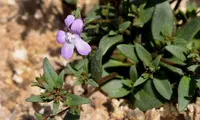
Chaenorhinum grandiflorum is a small, short-lived perennial or annual often grown as an ornamental bedding or rock garden plant. It forms low, branching mounds with many delicate stems. Tiny gray-green leaves and an abundance of snapdragon-like flowers give it a fine, airy look. Blooms usually appear in soft pastel or bright shades, creating a long-lasting display.
This species is native to rocky, mountainous areas of southern Europe, so it tends to prefer sun, well-drained soil, and moderate moisture. Its compact size and relatively quick growth make it suitable for containers, edges, and gaps between stones. Gardeners generally find it moderately easy to grow once they understand how to care for Chaenorhinum grandiflorum.

Care Difficulty
Moderate Care

Light Preference
Full Sun

Water Requirements
Moderate Water

Temperature Preference
Cool Climate

Hardiness Zone
5–8

Soil Texture
Sandy, Loamy, Rocky

Soil pH
Acidic (5.5–6.5), Slightly acidic (6.5–7.0)

Soil Drainage
Well-drained

Fertilization
Light (every 4–6 weeks)
Scan your plant to receive care tips personalized for your specific plant
Available on iOS and Android
This low annual prefers bright conditions without harsh, all-day summer sun.
This plant prefers evenly moist, well-drained soil that never stays saturated for long periods.
This cool-season annual grows best in mild conditions rather than intense heat.
This species tolerates typical indoor humidity but benefits from moderately moist air.
Chaenorhinum grandiflorum prefers light, well‑structured soil that drains quickly yet holds some moisture.
This species is well suited to growing in containers on balconies, patios, or window boxes.
Light feeding supports compact growth and continuous flowering in Chaenorhinum grandiflorum.
Thoughtful pruning keeps Chaenorhinum grandiflorum compact and encourages repeat bloom.
This species is usually grown as a bedding or rock-garden annual, so transplanting is more common than long-term pot culture.
Home gardeners most often raise this plant from seed rather than vegetative methods.
Chaenorhinum grandiflorum is typically grown as a warm-season annual and usually does not persist through freezing winters.

Plant Health Check
Not sure what's wrong with your plant? Check your plant's health inside the app.
This species is naturally restricted to rocky limestone slopes and cliffs in eastern Spain, often rooting into shallow crevices where many other herbs cannot survive.
In the wild it behaves as a small annual or short-lived perennial in montane habitats, completing its life cycle quickly during the mild season and setting abundant seed before summer heat or winter cold intensify.
Its violet to blue, snapdragon-like flowers are bilaterally symmetrical and adapted to bee pollination, with a prominent lip and nectar guide patterns that help direct insects toward the nectar source.
This species is usually grown as a cool-season annual, especially in temperate gardens. In mild, frost-free climates it may behave as a short-lived perennial, but flowering and vigor often decline after the first year.
Keep your plants happy and healthy with plant identification, disease detection, and easy care guidance.

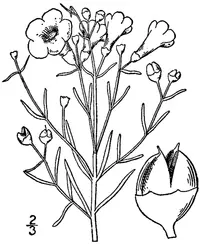
saltmarsh false foxglove
Agalinis maritima
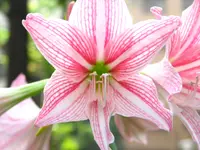
Netted-veined amaryllis
Hippeastrum reticulatum
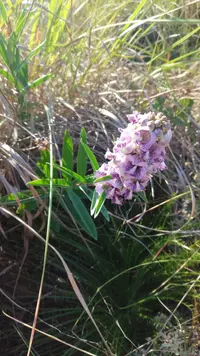
Angelonia integerrima
Angelonia integerrima
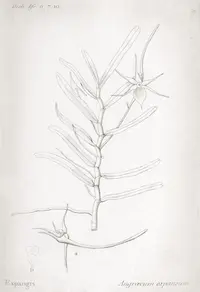
Angraecum expansum
Angraecum expansum
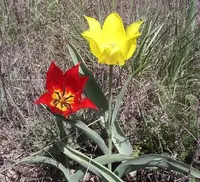
Garden tulip
Tulipa gesneriana
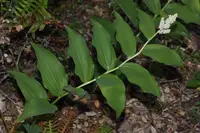
feathery false lily of the valley
Maianthemum racemosum
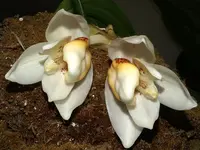
Stanhopea ecornuta
Stanhopea ecornuta
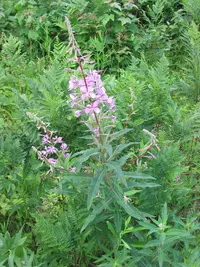
Fireweed
Epilobium angustifolium