Brewer's angelica Care (Angelica breweri)

Brewer's angelica

About Brewer's angelica

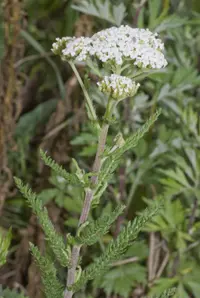
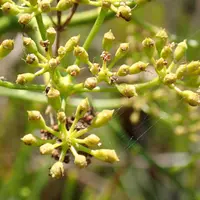
Brewer's angelica (Angelica breweri) is a perennial herb in the carrot family, native to mountain regions of California and nearby western states. It typically grows in moist meadows, stream banks, and open forest clearings.

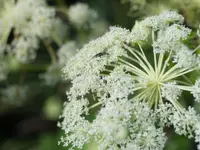
The plant forms tall, hollow stems with divided, fernlike leaves and large, rounded clusters of small white to greenish flowers that attract many pollinators. Its wild habitat in cool, moist sites makes it somewhat demanding in cultivation.

Gardeners who care for Brewer's angelica should provide consistently moist soil, good drainage, and exposure that avoids extreme heat or drought stress.

Main Plant Requirements

Care Difficulty

Moderate Care

Light Preference

Partial Shade

Water Requirements

Regular Water

Temperature Preference

Cool Climate

Hardiness Zone

5–8

Soil Texture

Loamy, Silty, Organic-rich

Soil pH

Slightly acidic (6.5–7.0)

Soil Drainage

Moist but well-drained

Fertilization

Minimal (feed rarely)

Get Personalized Care Plan

Scan your plant to receive care tips personalized for your specific plant

Available on iOS and Android

How to Care for the Brewer's angelica

This mountain perennial prefers bright, cool conditions with protection from harsh midday rays.

  • Provide 4–6 hours of morning sun with light afternoon shade; dappled or filtered light suits Brewer's angelica in hotter summer climates.
  • In cooler regions, full sun is acceptable if soil stays consistently moist, but monitor foliage for yellowing or crisp edges that signal excess sun exposure.
  • Excessive shade reduces vigor and flowering; if stems stretch or lean and umbels shrink, choose a more open site or thin nearby vegetation.

This species prefers steadily moist, cool soil that never dries out completely or stays waterlogged.

  • Water when the top 2–3 cm of soil feels barely moist, aiming for even moisture in the root zone rather than wet, spongy ground.
  • During hot, dry periods, increase frequency and use deep soaking instead of light sprinkling; in cool or rainy seasons, pause if soil remains saturated for several days.
  • Wilting in midday that recovers by evening usually indicates mild drought, while persistent limp foliage, dark stems, or a sour soil smell suggest overwatering and poor drainage.

This species is adapted to cool mountain conditions but handles a moderate garden temperature range.

  • Optimal growth occurs around 55–70°F (13–21°C), with vigorous foliage and flowering in cool summers and sheltered, moist sites.
  • Plants tolerate down to about 10–15°F (-12 to -9°C) when established and mulched; young crowns benefit from extra winter protection in exposed locations.
  • Heat above 85°F (29°C), especially with dry soil, stresses plants, so provide afternoon shade and maintain soil moisture during hot spells to prevent scorch and decline.

This species tolerates a range of humidity but grows best with slightly moist air.

  • Aim for 40–60% humidity to support steady foliage growth without encouraging fungal issues.
  • Tolerates typical indoor dry air but prolonged levels below 30% may cause leaf-edge browning and tip dieback.
  • Increase humidity with a nearby open tray of water and stones or by grouping plants, rather than misting foliage directly.

Angelica breweri prefers deep, moisture-retentive but well-drained soil that stays evenly damp without waterlogging.

  • Use a loamy mix with high organic matter, such as 2 parts garden loam, 1 part compost, and 1 part coarse sand or fine grit.
  • Ensure drainage is free-flowing so water does not pool around the crown, which increases risk of rot.
  • Target a slightly acidic to neutral pH around 6.0–7.0 for best nutrient availability and root function.
  • Improve aeration and structure by incorporating coarse sand or pumice and avoiding heavy, compacted clay that stays saturated.

This species can be grown in containers if the pot is deep and stable enough for its tall, upright growth.

  • Choose a container at least 30–40 cm deep to allow the taproot and strong vertical shoots to develop without crowding.
  • Select a heavy, wide-based pot so the tall flowering stems do not tip the container in wind or when soil is wet.
  • Use a fast-draining potting mix and elevate the pot on feet or bricks so drainage holes stay clear and excess water escapes quickly.

This native perennial usually needs minimal feeding, but light supplementation can support healthy growth in poor soils.

  • Use a balanced, diluted liquid fertilizer (for example 10-10-10 at 1/4–1/2 strength) or a thin layer of compost in early spring.
  • Feed Brewer's angelica every 4–6 weeks through the active growing season if soil is lean or plants look pale.
  • Avoid high-nitrogen products that drive weak, lush foliage at the expense of sturdy stems and flowers.
  • Stop fertilizing in late summer; do not feed during fall and winter dormancy.

Pruning Angelica breweri is simple and mainly focuses on removing spent or damaged growth.

  • Cut back dead, broken, or diseased stems at the base in late winter or very early spring using clean, sharp pruners.
  • Remove spent flower stalks after seeds ripen if self-seeding is not desired, which keeps the clump tidier.
  • Thin out crowded stems lightly to improve air movement and reduce fungal problems in humid conditions.
  • Avoid heavy cutting into young growing points, as this can reduce flowering and weaken the plant.

This species is better suited to garden beds than long-term container culture, so focus on careful transplanting.

  • Transplant in early spring or early fall when temperatures are mild and soil is workable.
  • Move plants only when necessary, such as when growth declines, roots circle the pot, or the site becomes too dry or shaded.
  • Dig a wide hole, keep as much root ball intact as possible, and set the crown at the same soil level as before.
  • Water deeply after transplanting, then keep soil evenly moist and shaded for 1–2 weeks to reduce transplant shock.

Angelica breweri is most reliably propagated from seed under cool, moist conditions.

  • Sow fresh seed in fall outdoors or in pots kept in a cold frame; cool stratification improves germination.
  • Use a moist, free-draining seed mix, barely cover the seed, and keep it evenly damp but not waterlogged.
  • Maintain cool temperatures around 50–60°F and moderate light until seedlings emerge and strengthen.
  • Transplant young seedlings carefully to their final position before roots become deeply established.

This cold-hardy perennial usually needs little winter attention in most temperate climates, especially when grown in the ground.

  • In areas with freeze–thaw cycles, apply a 5–8 cm layer of mulch around the root zone after the ground cools.
  • Leave some dried stems over winter to catch insulating snow and then cut back in late winter.
  • For container plants, move pots to a sheltered, unheated but frost-sheltered area to prevent root damage.

Care Tips

Provide sturdy staking

Install a robust stake or low wire hoop early in the season so the tall, hollow stems have support before they reach full height and are exposed to wind or heavy rain.


Mulch for cool roots

Apply a 5–8 cm layer of organic mulch around the base, keeping it a few cm away from the stems, to keep the root zone cool, conserve moisture, and suppress weeds without disturbing the shallow roots.

Encourage self-seeding

If you want a steady stand over several years, leave some mature seed heads on the plant to dry and drop in place, or collect and sow the seeds fresh in late summer while they still have high viability.

Rotate planting spots

Shift new plantings to a nearby bed every few years to reduce soil-borne disease buildup and avoid nutrient depletion in areas where you consistently grow Angelica breweri.

Monitor stem borers

Inspect hollow stems regularly for small entry holes or frass, then cut and dispose of affected stems promptly to limit damage and support long-term success when caring for Brewer's angelica.

Common Pests and Diseases

Leaf spot

This disease causes dark, water-soaked or tan lesions on foliage that may enlarge and merge, leading to premature yellowing and leaf drop. Symptoms include greater damage in dense, humid plantings or during prolonged wet weather.

Solution

Remove and discard affected leaves, then thin surrounding vegetation to improve light penetration and airflow. Avoid overhead watering, irrigate at soil level in the morning, and if needed apply a copper- or chlorothalonil-based fungicide labeled for ornamental herbs, following label directions carefully.

Powdery mildew

This disease produces white to gray, powdery fungal growth on upper leaf surfaces, stems, and flower stalks, often starting in shaded or crowded areas. Symptoms include distorted new growth and reduced vigor if infection is heavy.

Solution

Increase spacing and airflow around plants, water at soil level, and remove heavily infected leaves to reduce spore load. In recurring cases, use a sulfur or potassium bicarbonate fungicide labeled for ornamentals as a preventative spray during warm, dry periods when powdery mildew is common.

Aphids

These insects cluster on tender stems, leaf undersides, and flower stalks, sucking sap and excreting sticky honeydew that can attract sooty mold. This pest can cause curled leaves, stunted shoots, and distorted umbels.

Solution

Dislodge colonies with a firm stream of water and prune heavily infested shoots if practical. Encourage natural predators such as lady beetles, and if populations remain high, treat with insecticidal soap or a light horticultural oil, coating leaf undersides and young stems thoroughly.

Carrot rust fly larvae

This pest lays eggs in soil near plant bases; the larvae tunnel into roots and lower crown tissue, causing wilting, yellowing, and poor plant vigor. Symptoms include brownish feeding channels on belowground parts and increased risk of secondary rot.

Solution

Use fine mesh row covers during the main egg-laying period to exclude adult flies and avoid planting near other Apiaceae crops like carrots and parsnips that attract this pest. Rotate planting areas each year and remove plant debris after flowering to reduce overwintering sites and larval food sources.

Crown and stem blight

This disease affects the crown and lower stems, causing dark, sunken lesions, wilt, and dieback, especially in moist, poorly drained, or over-irrigated sites. Symptoms include rapid collapse of flowering stems and browning at the soil line.

Solution

Improve drainage, avoid frequent shallow watering, and keep plant bases free of dense mulch that holds moisture against stems. Remove and dispose of affected plants or stems, then avoid replanting Apiaceae in the same spot for several years to reduce pathogen carryover, following local extension guidance for specific fungicide options if the problem recurs.

Interesting Facts

High-elevation specialist

This species is native to the Sierra Nevada and nearby ranges of California and Nevada, where it typically occupies moist montane to subalpine meadows and streambanks at relatively high elevations compared with many other angelicas.

Distinctive purple anthers

Its otherwise white compound umbels are marked by conspicuous purple anthers, which give the flower clusters a subtle bicolored appearance useful for field identification among similar Apiaceae relatives.

Robust hollow stems

It develops sturdy, often hollow stems that help support large, heavy inflorescences while still allowing some flexibility in mountain winds common in its native habitat.

FAQs about Brewer's angelica

This umbel-forming species is highly attractive to bees, hoverflies, and many native pollinators. The flat flower clusters provide easy landing platforms and abundant nectar and pollen, making it valuable in pollinator-friendly meadow or streamside plantings.

Grow Healthy Plants with Botan Care

Keep your plants happy and healthy with plant identification, disease detection, and easy care guidance.

Botan plant care app — identify plants on mobile

Explore More Plants