waterpoppy Care (Hydrocleys nymphoides)

waterpoppy

About waterpoppy

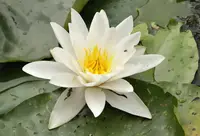
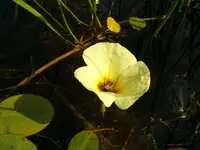
Waterpoppy, Hydrocleys nymphoides, is a small floating aquatic plant often used in ponds, water gardens, and container water features. It forms glossy, rounded leaves that rest on the water surface, resembling small water lily pads.

The plant produces delicate yellow, three-petaled flowers that open in warm weather and attract pollinators. It spreads by runners and can form dense mats in suitable conditions.

Hydrocleys nymphoides comes from warm regions of Central and South America and prefers calm, shallow, nutrient-rich water. It is generally easy to grow where water does not freeze, which simplifies how to care for waterpoppy.

Main Plant Requirements

Care Difficulty

Moderate Care

Light Preference

Full Sun

Water Requirements

Aquatic

Temperature Preference

Tropical / Frost Sensitive

Hardiness Zone

8–11

Soil Texture

Loamy, Silty, Organic-rich

Soil pH

Slightly acidic (6.5–7.0), Neutral (7.0)

Soil Drainage

Waterlogged tolerant

Fertilization

Light (every 4–6 weeks)

Get Personalized Care Plan

Scan your plant to receive care tips personalized for your specific plant

Available on iOS and Android

How to Care for the waterpoppy

This floating aquatic plant needs strong light to flower well in ponds and water gardens.

  • Provide 6–8 hours of direct sun daily, ideally with morning sun and light afternoon shade in hotter regions to prevent leaf scorch.
  • Tolerates bright partial shade (around 4–5 hours direct sun) but Hydrocleys nymphoides will produce fewer flowers and longer, weaker stems.
  • In summer, protect from harsh, all-day afternoon sun, while in cooler seasons ensure it gets maximum unobstructed light to maintain compact, vigorous growth.

This species is an aquatic plant that must grow with roots and crowns consistently submerged.

  • Maintain water over the crown by 5–30 cm, keeping the planting zone flooded; do not allow the soil or planting basket to dry out at any time.
  • Use still or gently moving water with a loamy, heavy substrate so roots anchor well; avoid fast currents that expose roots or disturb the planting medium.
  • Watch foliage for stress; yellowing, limp leaves can indicate low oxygen or stagnant, foul water, while sudden collapse may signal roots were exposed by dropping water levels.

This warm-temperate to tropical aquatic plant prefers steady warmth for best growth and flowering.

  • Aim for 70–86°F (21–30°C) water temperature during the growing season, with vigorous growth typically starting once water stays above about 68°F (20°C).
  • Treat 60°F (16°C) as a practical lower limit; brief dips to 50–55°F (10–13°C) may be survived, but growth stops and prolonged cold damages foliage and crowns.
  • Hydrocleys nymphoides is highly frost-sensitive; in climates with freezing winters, move it to a frost-free pond zone or indoor tank kept above 60°F (16°C).

This aquatic species does not rely on air humidity, as its foliage and roots are adapted to water contact.

This plant grows best rooted in saturated, organic-rich aquatic soil rather than standard potting mixes.

  • Use a heavy loam or clay-loam rich in organic matter so roots anchor well under shallow water.
  • Ensure the substrate stays constantly submerged or waterlogged; it must hold water rather than drain freely like terrestrial soil.
  • Aim for slightly acidic to neutral conditions, around pH 6.5–7.2, which support nutrient availability for Hydrocleys nymphoides.
  • Avoid light, fluffy mixes with lots of perlite or bark, as they float, shift easily, and expose roots above the water layer.

This species is well suited to containers in ponds or water gardens.

  • Choose a wide, shallow, heavy container so the plant can spread while remaining stable under moving water or wind.
  • Use a solid pot without drainage holes when submerging, to keep the soil mass contained and prevent nutrient loss into the water column.
  • Cover the soil surface with a 2–3 cm layer of coarse gravel to reduce soil float, limit murkiness, and help anchor rhizomes.

Hydrocleys nymphoides benefits from moderate, consistent nutrition in warm months when actively growing and flowering.

  • Use a balanced aquatic plant fertilizer (for example 10-10-10) or a slow-release tablet pressed into the pond soil near the roots.
  • Feed every 4–6 weeks during the growing season, adjusting frequency to plant growth and flower production.
  • Apply fertilizers at half the label rate at first to avoid algae blooms and root burn in contained water.
  • Stop or greatly reduce feeding in late fall and winter when growth slows or the plant becomes semi-dormant.

Pruning keeps Hydrocleys nymphoides neat, encourages flowering, and prevents excessive spread in ponds or tubs.

  • Trim spent flower stalks and yellowing or damaged leaves throughout the growing season with clean scissors or snips.
  • Thin crowded rosettes and long runners to maintain light penetration and good water circulation around the plant.
  • Remove weak or shading leaves near the center to encourage stronger new growth and more flower bud formation.
  • Discard pruned material from the water to limit decay, algae growth, and nutrient buildup in small water features.

This aquatic species is usually grown in baskets or shallow containers that may need transplanting as clumps expand.

  • Check for crowded baskets, roots escaping drainage holes, slow growth, or unstable containers as signs that division or transplanting is needed.
  • Plan to lift and reset Hydrocleys nymphoides every 2–3 years in late spring when water is warming and growth is resuming.
  • Gently remove the basket, rinse off excess soil, and divide the clump into smaller sections, each with healthy roots and several leaves.
  • Replant divisions in fresh, heavy loam or aquatic soil, submerge gradually, and keep water calm for a few days to limit root stress.

Hydrocleys nymphoides is most commonly propagated by division of established clumps and runners in warm conditions.

  • Divide mature plants in late spring or early summer when new growth is strong and water temperatures are rising.
  • Cut stolons or runners into sections, each carrying a small rosette and roots, using a clean, sharp knife or scissors.
  • Plant divisions into aquatic baskets filled with heavy loam, then submerge so leaves float or sit just at the water surface.
  • Keep water relatively still, warm (around 70–80°F), and well lit to support rapid establishment and new root growth.

Hydrocleys nymphoides is frost sensitive and needs specific winter care in cold climates.

  • In USDA zones warmer than 9, allow plants to overwinter in place if water does not freeze solid.
  • In colder regions, lift baskets before hard frost and overwinter them in an indoor tub or tank kept at 55–65°F.
  • Reduce feeding and keep water just above the crown while maintaining moderate light until outdoor conditions warm again.

Care Tips

Control Spread

Install a shallow planting basket or ring around the plant to confine its runners so it does not overtake smaller, slower aquatic species in the pond or container.

Manage Water Depth

Keep the root zone in 5–30 cm of water and adjust seasonally, raising containers slightly in cooler months to keep the crown warmer and lowering them in hot weather for better temperature stability.

Support Flowering

Deadhead fading blooms and remove yellowing floating leaves weekly so the plant redirects energy into new buds and healthy foliage rather than seed production and decaying tissue.

Monitor Nutrient Load

In fishless water features, use low-dose aquatic plant tablets and watch for signs of excess nutrients, such as string algae or very dark, lush leaves, then reduce feeding rather than increasing water changes.

Winter Protection

In cooler regions, lift baskets before frost and overwinter them in a tub of water kept 55–65°F indoors or in a frost-free garage, which is one of the most reliable methods for Hydrocleys nymphoides plant care.

Common Pests and Diseases

Aphids

These insects cluster on young shoots and flower stalks, sucking sap and causing distortion and sticky honeydew on floating leaves and buds.

Solution

Rinse colonies off with a strong hose spray, then use an insecticidal soap labeled for aquatic use, keeping fish and other wildlife in mind; removing heavily infested flower stalks also helps break the life cycle.

Spider mites

These pests thrive on waterpoppy pads in hot, dry weather, causing pale speckling, bronzing, and fine webbing on leaf surfaces above the waterline.

Solution

Increase ambient humidity over the pond edge, hose down foliage regularly, and use horticultural oil or insecticidal soap that is safe for aquatic margins, applying in the evening to avoid leaf scorch and limiting drift into the main pond water.

Leaf miners

These insects create winding, pale tunnels inside the floating leaves, which can reduce photosynthesis and cause premature yellowing.

Solution

Remove and discard affected leaves as soon as tunnels are visible, and reduce nearby broadleaf weeds that can host the larvae; in persistent cases, a systemic treatment labeled for pond-margin ornamentals can be used cautiously outside the main water body.

Bacterial leaf spot

This disease causes small, water-soaked spots on the floating leaves that enlarge into brown or black lesions with a yellow halo, often starting on older pads.

Solution

Promptly remove and discard affected leaves, avoid splashing water from infected plants to healthy ones, and thin crowded clumps of plants to improve water movement and air circulation around the pads.

Crown and rhizome rot

Symptoms include yellowing and collapse of leaves, softening of the crown or rhizome, and a foul smell from the plant base, especially in warm, stagnant, nutrient-rich water.

Solution

Improve water circulation, reduce organic debris and fish waste, and remove and discard any mushy plant parts; replant only firm, healthy rhizome sections in slightly moving, clean water to support stable Hydrocleys nymphoides plant care.

Interesting Facts

Floating leaf strategy

This species produces buoyant, leathery leaves that float on the water surface, allowing the plant to capture strong light while its roots remain anchored in the muddy substrate or in containers below.

Day-blooming flowers

Its yellow, three-petaled flowers open during the day and usually close by late afternoon, a rhythm that aligns with peak activity of insect pollinators such as bees and small flies.

Rapid vegetative spread

The plant spreads efficiently by stolons, which are creeping stems that root at the nodes and form new rosettes, allowing it to quickly form dense mats in warm, still or slow-moving water.

Botan icon

Did you know?

In some warm regions outside its native range in Central and South America, this species has naturalized and is monitored as a potential aquatic invasive because its dense floating mats can shade out native submerged plants and alter small freshwater habitats.

FAQs about waterpoppy

Lack of flowers often relates to insufficient warmth, nutrients, or plant density. This species blooms best in consistently warm water, with moderate fertilization and several plants together. Cool conditions or strong water movement can also reduce flowering.

Grow Healthy Plants with Botan Care

Keep your plants happy and healthy with plant identification, disease detection, and easy care guidance.

Botan plant care app — identify plants on mobile

Explore More Plants