Windbreak establishment
In exposed sites, install a temporary windbreak netting or plant a row of tougher shrubs on the windward side to reduce winter wind scorch on foliage and young shoots.

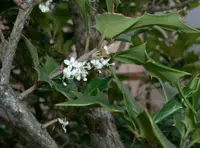
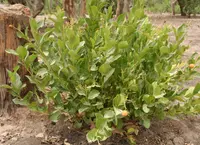
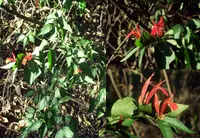
Holly osmanthus (Osmanthus heterophyllus) is an evergreen shrub or small tree valued for its dense, spiny, holly-like leaves and neat, compact form. It is often used as a hedge, screen, or structural accent in gardens. Native to Japan and Taiwan, it grows slowly and responds well to regular pruning, which makes it suitable for shaped hedges and smaller urban spaces. Small white flowers are often hidden among the foliage but can be strongly fragrant. This species is generally considered easy to grow, as it tolerates pruning, urban pollution, and a range of soils if drainage is good. It prefers moderate light, even moisture, and sheltered sites, which guides how to care for holly osmanthus in home landscapes.

Care Difficulty
Easy Care

Light Preference
Partial Shade

Water Requirements
Moderate Water

Temperature Preference
Cold Hardy

Hardiness Zone
6–9

Soil Texture
Loamy, Sandy, Clay

Soil pH
Acidic (5.5–6.5), Slightly acidic (6.5–7.0)

Soil Drainage
Moist but well-drained

Fertilization
Minimal (feed rarely)
Scan your plant to receive care tips personalized for your specific plant
Available on iOS and Android
This evergreen shrub prefers bright, gentle light to develop dense foliage and regular flowering.
This shrub prefers evenly moist, well-drained soil rather than frequent shallow watering.
This species is generally hardy and tolerates a wide temperature range if changes are gradual.
This shrub handles typical home and outdoor humidity but grows best with moderate, stable levels.
Osmanthus heterophyllus prefers slightly acidic, moisture-retentive but free-draining soil with plenty of organic matter.
This species is well suited to container growing when the pot is chosen and managed carefully.
This shrub benefits from modest feeding to support steady growth and flowering without excessive softness in new shoots.
Osmanthus heterophyllus responds well to light, timely pruning that maintains structure and flowering wood.
This species is more often grown in the ground, where it dislikes frequent disturbance but tolerates careful transplanting.
New plants are most reliably produced from semi-ripe cuttings taken during the growing season.
This shrub is generally cold hardy in much of the US but benefits from some winter preparation in colder areas.

Plant Health Check
Not sure what's wrong with your plant? Check your plant's health inside the app.
This species naturally develops very spiny, holly-like leaves when young, which are thought to protect it from herbivores, but older, shaded branches often produce smoother, less spiny leaves on the same plant.
In its native range in Japan and Taiwan, it often grows as an understory shrub in bright shade at forest edges, keeping dense, glossy foliage year-round where many other broadleaf species would thin out.
Despite its tough, prickly foliage, the plant produces small, white, tubular flowers in autumn with a surprisingly strong, sweet fragrance that attracts night-flying moths and other pollinators.

In traditional Japanese landscape design, this species has been valued for centuries as a living barrier and privacy hedge around residences and temple grounds, combining physical defense from its spiny leaves with the seasonal appeal of its autumn fragrance.
This species is evergreen, keeping its foliage year-round in suitable climates. Old leaves are shed gradually as new ones form, so the plant usually looks dense and green even through winter, especially when sheltered from harsh drying winds.
Keep your plants happy and healthy with plant identification, disease detection, and easy care guidance.