Icacina oliviformis Care

Icacina oliviformis

About Icacina oliviformis

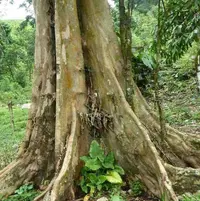
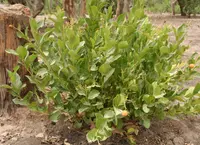
Icacina oliviformis is a drought-tolerant shrub or small subshrub, native to dry savannas and woodland edges in West and Central Africa. It develops a large underground tuber used traditionally as a famine food after careful processing.

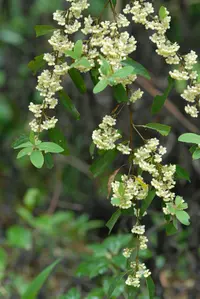
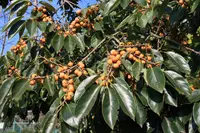
Above ground, it produces branched stems with simple green leaves and small, inconspicuous flowers that are followed by olive-like fruits. Its strong root system and natural adaptation to poor, sandy soils make it resilient once established.

The species is suited to warm, dry climates and does best in bright light with well-drained soil. Understanding how to care for Icacina oliviformis starts with mimicking its naturally dry, open habitat and avoiding prolonged waterlogging.

Main Plant Requirements

Care Difficulty

Moderate Care

Light Preference

Full Sun

Water Requirements

Moderate Water

Temperature Preference

Warm Climate

Hardiness Zone

10–12

Soil Texture

Sandy, Loamy, Organic-rich

Soil pH

Slightly acidic (6.5–7.0), Neutral (7.0)

Soil Drainage

Well-drained

Fertilization

Minimal (feed rarely)

Get Personalized Care Plan

Scan your plant to receive care tips personalized for your specific plant

Available on iOS and Android

How to Care for the Icacina oliviformis

This drought-tolerant shrub prefers strong sun but copes with some shade in hot climates.

  • Provide 6–8 hours of direct sun daily, with morning sun and light afternoon shade in very hot regions to prevent leaf scorch.
  • Tolerates bright partial shade, but growth and fruiting decline in locations with less than 4–5 hours of direct sun.
  • In rainy or cloudy seasons, choose the brightest, most open site available so Icacina oliviformis still receives high light for active growth.

This species is adapted to dry conditions and is sensitive to prolonged soil saturation.

  • Allow the top 5–8 cm of soil to dry between waterings; soil should feel dry but not powdery before adding water.
  • Use very well-drained, sandy or gravelly soil so excess water runs off quickly and roots do not sit in puddles.
  • Reduce watering to occasional deep soakings during cool or dormant periods; pale, shriveling leaves signal drought stress, while yellowing, soft roots indicate overwatering.

This dryland shrub prefers warm to hot climates and reacts poorly to cold, especially if combined with wet soil.

  • Ideal growing temperatures are 75–95°F (24–35°C), where growth and root activity are strongest in well-drained soils.
  • Tolerates short heat spikes up to about 105°F (40°C) if soil is not waterlogged, but may drop some leaves under extreme, prolonged heat.
  • Avoid temperatures below 50°F (10°C); growth slows, and light frost near 32°F (0°C) can damage foliage and young shoots of Icacina oliviformis.

This drought-tolerant shrub handles a wide humidity range but prefers semi-arid to moderately humid air.

  • Aim for 30–60% relative humidity, similar to many indoor climates in temperate regions.
  • Tolerates dry air well; mild leaf edge browning or curling signals humidity or water stress combined with heat.
  • Increase local humidity only in very hot, dry conditions by grouping plants or using a pebble tray, rather than misting regularly.

Icacina oliviformis prefers loose, well-drained, moderately fertile soil that mimics sandy savanna conditions.

  • Use a sandy or sandy-loam mix with 40–60% coarse sand or grit plus 30–40% composted organic matter for structure and nutrients.
  • Ensure rapid drainage by adding perlite or pumice so water does not pool around the tuberous roots and cause rot.
  • Keep soil slightly acidic to neutral, around pH 6.0–7.0, avoiding strongly acidic or alkaline mixes that limit nutrient uptake.
  • Avoid heavy clay, waterlogged beds, or compacted ground; loosen the top 20–30 cm and mix in coarse material to improve aeration.

This species can be grown in containers if the pot allows for its deep, tuberous root system.

  • Choose a deep, heavy pot to support the developing tuber and prevent the plant from becoming top-heavy in strong winds.
  • Select a container material like unglazed clay if extra evaporation is needed in wet climates, or plastic if moisture retention is a concern.
  • Fill the base with a coarse drainage layer and ensure wide, unobstructed drainage holes so excess water exits quickly after rain or irrigation.

This drought-tolerant shrub from poor soils needs only light feeding when grown in managed gardens.

  • Use a balanced NPK fertilizer at half-strength or a thin layer of well-rotted compost at the start of the warm growing season.
  • Feed every 6–8 weeks during active growth if soil is very sandy or nutrient-poor.
  • Avoid fertilizing in winter or dormancy periods to prevent weak, lush growth.
  • Water before and after feeding to reduce root burn and help nutrients move into the root zone.

Pruning Icacina oliviformis is mainly for health, access, and basic shape control rather than aesthetics.

  • Carry out light pruning at the end of the dry season or just before new growth starts.
  • Remove dead, diseased, or storm-damaged branches first using clean, sharp bypass pruners or a small saw.
  • Thin congested interior shoots to improve airflow and light penetration, keeping the natural, open form.
  • Limit heavy cutting of main structural branches to avoid stress and weak regrowth.

This species is usually grown in-ground, so focus on careful transplanting rather than frequent repotting.

  • Transplant young plants at the start of the rainy or warm growing season for faster root establishment.
  • Look for slow growth, stunting, or roots circling a nursery pot as signs that a larger planting space is needed.
  • Move the plant with a wide, deep soil ball to keep fine feeder roots intact and reduce transplant shock.
  • Water thoroughly after planting, then keep soil evenly moist but not waterlogged until new growth resumes.

Propagation of Icacina oliviformis is typically done from seeds, which require warmth and patience.

  • Sow fresh, cleaned seeds at the beginning of the warm rainy season in a deep, well-drained sandy mix.
  • Provide consistent warmth around 75–85°F and keep the medium just moist, not wet, as germination can be slow.
  • Cover seeds lightly, then shade from harsh sun while allowing bright, indirect light for steady development.
  • Transplant seedlings only once they form a strong taproot and several true leaves, handling roots gently.

This warm-climate shrub is sensitive to frost and benefits from basic winter protection in cooler regions.

  • In areas near freezing, apply a 5–8 cm layer of dry mulch around the root zone, keeping it off the stem.
  • Wrap young stems with breathable frost cloth during predicted cold snaps to reduce tissue damage.
  • Grow container plants in large pots and move them indoors or into a greenhouse when temperatures drop below 50°F.

Care Tips

Root storage management

If plants are grown for their starchy tuberous root, lift and inspect a few sample plants at the end of the dry season, selecting and replanting only the healthiest, firm tubers as mother stock for the next cycle.

Dry-season mulching

At the onset of the dry period, apply a coarse organic mulch layer 5–8 cm thick around the root zone to slow soil moisture loss and protect developing tubers from temperature fluctuations.

Wind and sun screening

In exposed sites, install a simple windbreak net or low shrub barrier on the windward side to reduce desiccation stress and leaf shredding, especially in the first 1–2 years of establishment.

Companion groundcover use

Underplant with a low, non-invasive groundcover that tolerates similar dry conditions to shade the soil surface, which helps stabilize soil temperature and reduce cracking that can damage shallow feeder roots.

Systematic pest scouting

During active growth, walk rows or planting areas every 2–3 weeks and check the underside of leaves and young shoots for chewing or sap-sucking insects, treating only confirmed problems to keep caring for Icacina oliviformis efficient and targeted.

Common Pests and Diseases

Root-knot nematodes

This pest attacks the underground tubers and fine roots, causing galls, stunted growth, and reduced vigor, especially in sandy or light soils where Icacina is often grown.

Solution

Rotate with non-host crops, incorporate well-made compost to support beneficial organisms, and solarize infested beds in hot climates to reduce nematode populations; when planting new tubers, choose clean, healthy material and avoid reusing heavily infested soil to improve long-term Icacina oliviformis care.

Tuber weevils

These insects bore into the tubers, creating tunnels that lead to internal rot, reduced yield, and poor storage quality.

Solution

Inspect harvested tubers and discard those with clear tunneling, practice strict field sanitation by removing crop residues that harbor larvae, and store sound tubers in clean, dry, well-ventilated conditions; in small plantings, hand-pick adult weevils at night using a flashlight to reduce populations.

Leaf spot

This disease causes small brown to dark lesions on leaves, which may merge under humid conditions and lead to premature leaf drop and reduced photosynthesis.

Solution

Remove and destroy affected leaves, avoid overhead watering, and increase spacing and airflow around plants; in regions with recurrent problems, apply a copper-based or other registered fungicide preventively at the start of the rainy season, following label directions carefully.

Termite damage

These insects feed on the underground parts of the plant, including tubers and woody roots, which can result in structural weakness, hollowed tissues, and plant decline in dry or degraded soils.

Solution

Remove decaying wood and plant debris near plantings, use physical barriers such as raised or lined beds when possible, and encourage natural predators like ants by maintaining diverse ground cover; in severe cases in field settings, apply localized bait systems rather than broad soil drenches to limit non-target impact.

Interesting Facts

Sahel survival strategy

This shrub survives long dry seasons in the West African Sahel by storing water and starch in a large underground tuber, allowing the above-ground parts to die back in extreme drought and resprout when rains return.

Edible famine food

In several West African countries, especially in the dry savanna zone, its starchy tuber and oily seeds are used as emergency or famine foods when staple crops fail, after careful processing to reduce bitterness.

Drought-hardy root system

The plant develops a deep, extensive root system anchored by a large tuber, which helps stabilize sandy or degraded soils and makes growing Icacina oliviformis interesting for dryland agroecology research.

Botan icon

Did you know?

Archaeobotanical studies have identified charred remains of its seeds and tubers at ancient sites in West Africa, indicating that humans have been exploiting this wild shrub as a food resource for thousands of years.

FAQs about Icacina oliviformis

The starchy tuber is edible after thorough processing and cooking, traditionally used as a famine or staple food. Raw parts, especially seeds and unprocessed tubers, may contain toxic compounds and should never be eaten without proper preparation.

Grow Healthy Plants with Botan Care

Keep your plants happy and healthy with plant identification, disease detection, and easy care guidance.

Botan plant care app — identify plants on mobile

Explore More Plants