Sugarberry Care (Celtis laevigata)

Also known as: Southern Hackberry, sugar hackberry
Sugarberry

About Sugarberry

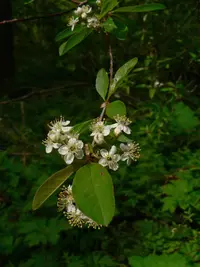
Sugarberry, Celtis laevigata, is a medium to large deciduous tree native to the southern and central United States and parts of Mexico. It is commonly found along riverbanks, floodplains, and moist woodlands.

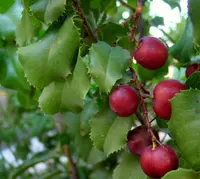
The tree has a rounded to irregular crown, gray bark with warty patches, and small sweet fruits that attract birds and wildlife. Its adaptability to heat, urban pollution, and different soil types makes it relatively easy to establish in suitable climates.

Those who want to care for Sugarberry should note that it prefers full sun, moderate moisture, and well-drained, slightly acidic to neutral soil for best vigor and structure.

Main Plant Requirements

Care Difficulty

Easy Care

Light Preference

Full Sun

Water Requirements

Moderate Water

Temperature Preference

Warm Climate

Hardiness Zone

6–9

Soil Texture

Sandy, Loamy, Clay

Soil pH

Acidic (5.5–6.5), Slightly acidic (6.5–7.0)

Soil Drainage

Moist but well-drained

Fertilization

Minimal (feed rarely)

Get Personalized Care Plan

Scan your plant to receive care tips personalized for your specific plant

Available on iOS and Android

How to Care for the Sugarberry

This sun-loving North American tree performs best with strong, direct light.

  • Provide 6–8 hours of direct sun daily; full sun is ideal for dense growth and fruiting in Sugarberry.
  • Tree tolerates light partial shade, especially with morning sun and light afternoon shade, but growth may be slightly more open.
  • In hot climates, avoid reflected heat from pavement or walls that can scorch young foliage in midsummer; ensure open sky exposure in winter for maximum light.

This species prefers deep, infrequent watering once established rather than constant surface moisture.

  • During the first 2–3 years, water when the top 5–8 cm of soil feels dry, soaking the root zone to 25–40 cm depth.
  • Mature Celtis laevigata tolerates drought; in prolonged dry periods, use visual cues such as wilting or dull, folding leaves as a signal to irrigate deeply.
  • Use well-drained soil; signs of overwatering include yellowing leaves and dieback on young twigs, while persistent crispy margins indicate chronic dryness.

This warm-temperate tree handles a wide range of outdoor temperatures once established.

  • Optimal growing range is about 70–90°F (21–32°C), with strongest shoot growth in late spring and early summer.
  • Dormant trees tolerate short drops near 0°F (−18°C), but young plants benefit from protection from hard freezes and drying winter winds.
  • Mature trees endure hot spells up to 100–105°F (38–41°C) if roots are mulched and soil is not allowed to stay bone-dry for long periods.

This species is highly tolerant of a wide humidity range and rarely needs special humidity management outdoors or in large indoor spaces.

  • Target 30–60% humidity; the tree tolerates drier air but may show marginal leaf browning in very arid indoor heating conditions.
  • Crisp leaf edges and slowed new growth can indicate prolonged low humidity combined with heat stress rather than a primary humidity problem.
  • Increase local humidity only in very dry interiors by grouping plants, using a nearby humidifier, or placing large water trays that evaporate near Sugarberry.

Celtis laevigata prefers well‑structured, moderately moist, freely draining mineral soils.

  • Use a loamy or sandy-loam base enriched with 10–20% compost to provide moderate organic matter without becoming waterlogged.
  • Ensure drainage is rapid by avoiding heavy clay; if clay is present, incorporate coarse sand or fine gravel to open the structure.
  • Aim for a slightly acidic to neutral pH around 6.0–7.5, which supports balanced nutrient availability for long-term tree health.
  • Avoid compacted, poorly drained, or consistently saturated sites, and prioritize soil aeration so oxygen can reach deeper roots.

This species is only moderately suitable for long-term container growing and is best kept in large, heavy, outdoor tubs when containerized at all.

  • Choose a very deep, broad, and heavy container so extensive roots and the tall canopy do not tip the tree in strong wind.
  • Select thick-walled clay or concrete pots outdoors to stabilize moisture swings and prevent the root zone from overheating in full sun.
  • Use a sharply draining, mineral-rich mix and keep the pot elevated on feet or bricks so large drainage holes never sit in standing water.

Celtis laevigata usually grows well in average soil and only needs light fertilization in poor or disturbed sites.

  • In early spring, apply a light layer of compost or a slow-release balanced NPK (such as 10-10-10) around the drip line.
  • Use about half the label rate for established trees to avoid excessive, weak growth.
  • Repeat once in midsummer only if growth is pale or stunted, then stop feeding as fall approaches.
  • For young Sugarberry in containers, use a diluted balanced liquid feed (1/2 strength) every 4–6 weeks in the growing season.

Celtis laevigata responds well to structural pruning that keeps the canopy strong and safe.

  • Carry out main pruning in late winter to very early spring, before new growth starts.
  • Remove dead, diseased, crossing, or storm-damaged branches with clean, sharp bypass pruners or a pruning saw.
  • Thin crowded interior branches to improve light penetration and airflow, encouraging a balanced, stable crown.
  • Limit cuts to smaller branches where possible and avoid heavy topping to reduce stress and decay risk.

Sugarberry is mostly grown in the ground, so focus on careful transplanting rather than frequent repotting.

  • Transplant in late fall or early spring when the tree is dormant to reduce stress.
  • Look for signs such as roots circling the container, slow growth, or the root ball drying out very quickly before moving a potted plant.
  • Replant at the same soil depth in a wide hole, loosening outer roots and backfilling with native soil rather than rich mixes.
  • Water deeply after transplanting, then keep soil evenly moist for the first growing season, using mulch to moderate temperature and moisture swings.

Celtis laevigata is most often propagated from seed, which is straightforward but requires patience.

  • Collect ripe fruits in fall, remove pulp, and sow cleaned seeds outdoors or in pots for natural winter stratification.
  • For controlled sowing, cold-stratify seeds at 35–40°F for 60–90 days, then sow in a free-draining, slightly sandy mix.
  • Keep the seed tray in bright, indirect light with lightly moist, not waterlogged, substrate until germination.
  • Allow seedlings to grow 1–2 seasons in nursery beds or containers before planting out to build a stronger root system.

Celtis laevigata is cold hardy in much of its range and usually needs minimal winter care once established.

  • Young or newly planted trees benefit from 5–8 cm of organic mulch over the root zone, kept away from the trunk.
  • Container-grown plants in colder zones can be moved to a sheltered, unheated but frost-moderated area.
  • Avoid late-season nitrogen feeding so shoots harden properly before winter, improving freeze resilience.

Care Tips

Establish Strong Leader

In the first 3–5 years, select one central trunk and remove competing upright stems during late winter so the tree develops a strong single leader and resists storm damage as it matures.


Plan Structural Branching

While the tree is young, keep main scaffold branches spaced 30–45 cm vertically and remove very narrow crotch angles to reduce future limb breakage and make long-term maintenance easier.

Protect Trunk Base

Install a 5–10 cm deep mulch ring 60–90 cm wide and keep string trimmers, lawn mowers, and mulch away from direct contact with the bark to prevent girdling and basal canker entry points.

Monitor for Hackberry Nipplegall

Check leaves in late spring and summer for small raised galls; if present, they are mainly cosmetic, so focus on maintaining tree vigor with good site conditions rather than using insecticides.

Support Urban Establishment

In exposed or high-traffic urban sites, use short-term staking for the first 1–2 years and remove stakes as soon as the root system anchors well, which supports healthy, wind-firm growth when growing Sugarberry.

Common Pests and Diseases

Hackberry nipplegall psyllid

This pest causes small, nipple-like galls to form on leaves, which may make the foliage look rough or blistered but rarely threatens tree health.

Solution

No chemical control is usually needed; rake and dispose of fallen leaves in autumn to reduce overwintering populations, and rely on natural predators and normal leaf drop to keep damage cosmetic. For young or high-value trees, avoid unnecessary insecticide use and focus on overall Celtis laevigata care to maintain vigor so the tree tolerates gall formation well.

Hackberry woolly aphid

These insects feed on leaf sap, producing honeydew that can lead to black sooty mold and a sticky coating on leaves, branches, and nearby surfaces.

Solution

Prune out heavily infested twigs, and wash foliage with a strong stream of water to dislodge aphids and honeydew. Encourage natural predators such as lady beetles, avoid high-nitrogen fertilization that promotes soft new growth, and, if needed, use a horticultural oil or insecticidal soap thoroughly on leaf undersides during active infestations.

Leaf spot

This disease causes small brown to tan lesions on leaves, sometimes with yellow halos, and can lead to early leaf drop in wet, humid conditions.

Solution

Remove and dispose of fallen, spotted leaves to reduce spores, and avoid overhead irrigation that keeps foliage wet. Improve air circulation by selective pruning, and if defoliation is severe for several consecutive years, consult a local arborist about timed fungicide sprays in spring.

Powdery mildew

This disease produces a white, powdery coating on leaves and young shoots, which can distort new growth and slightly reduce vigor in shaded, humid sites.

Solution

Increase sun exposure where possible, thin crowded branches to improve airflow, and avoid frequent light watering on foliage. For persistent cases on young or stressed trees, apply a labeled fungicide such as horticultural oil or a sulfur product according to directions, starting early in the season when symptoms first appear.

Scales

These insects appear as small, immobile bumps on twigs and branches, sucking sap and sometimes causing yellowing leaves, dieback of small branches, and honeydew buildup.

Solution

On light infestations, gently scrape off scales or prune out and destroy affected twigs. For heavier infestations, apply horticultural oil during the dormant season to smother overwintering stages, and, if needed, use a summer-weight oil or insecticidal soap when crawlers (young mobile stages) are active, monitoring regularly to protect beneficial insects.

Interesting Facts

Floodplain specialist

Sugarberry naturally dominates moist bottomland forests and river terraces in the south-central and southeastern US, showing high tolerance to periodic flooding and heavy, poorly drained soils.

Distinctive warty bark

Mature trees develop gray bark with scattered corky warts and ridges rather than deep furrows, which helps distinguish it from the closely related hackberry species in the field.

Key wildlife food source

Its small, sweet drupes ripen in late summer to fall and are eaten by many bird species, including cedar waxwings and wild turkeys, which helps disperse the seeds over long distances.
Botan icon

Did you know?

Sugarberry is unusually tolerant of urban conditions for a native hardwood tree, often surviving air pollution, soil compaction, and reflected heat better than many traditional street trees, which makes grow Celtis laevigata a practical option for city plantings in warm climates.

FAQs about Sugarberry

This tree is moderately fast-growing, often adding 30–60 cm per year when young. Under good conditions it can provide meaningful shade or landscape presence within 8–12 years, then growth gradually slows as it matures.

Grow Healthy Plants with Botan Care

Keep your plants happy and healthy with plant identification, disease detection, and easy care guidance.
Botan plant care app — identify plants on mobile

Explore More Plants