Kobus magnolia Care (Magnolia kobus)

Also known as: Kobushi Magnolia, Northern Japanese Magnolia
Kobus magnolia

About Kobus magnolia

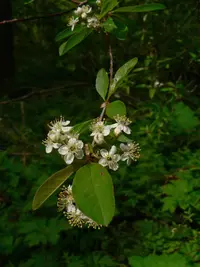
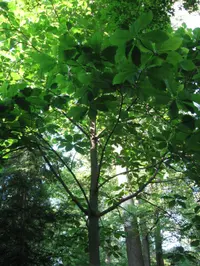
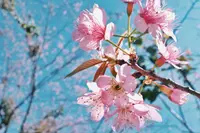
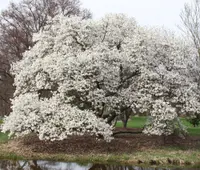
Kobus magnolia (Magnolia kobus) is a deciduous flowering tree valued for its early spring display of white, star-like blossoms on bare branches. It typically develops a broad, upright crown with smooth gray bark and simple, oval green leaves that turn soft yellow in autumn.

This species is native to Japan and parts of Korea, where it grows in woodland and mountain areas. It is generally considered a resilient ornamental tree, provided it has enough space, well-drained soil, and a climate with cool winters.

Gardeners who care for Kobus magnolia appreciate its cold hardiness and relatively low pest pressure, which make it suitable for many temperate gardens with full sun to light shade and consistent moisture.

Main Plant Requirements

Care Difficulty

Moderate Care

Light Preference

Full Sun

Water Requirements

Moderate Water

Temperature Preference

Cold Hardy

Hardiness Zone

4–8

Soil Texture

Loamy, Sandy, Organic-rich

Soil pH

Acidic (5.5–6.5), Slightly acidic (6.5–7.0)

Soil Drainage

Moist but well-drained

Fertilization

Minimal (feed rarely)

Get Personalized Care Plan

Scan your plant to receive care tips personalized for your specific plant

Available on iOS and Android

How to Care for the Kobus magnolia

This hardy deciduous tree prefers bright outdoor conditions with cool roots and good air movement.

  • Provide full sun to light shade, ideally 6–8 hours of direct morning to early afternoon sun, with some protection from intense late-afternoon summer sun in hot regions.
  • Young trees benefit from light or filtered shade over the root zone to keep soil cooler and reduce moisture loss, especially during the first 2–3 growing seasons.
  • If Kobus magnolia flowers sparsely or produces long, weak shoots, it likely needs more sun; move competing plants or prune nearby shade-casting branches to increase light.

This species prefers evenly moist, well-drained soil and is sensitive to both drought and standing water.

  • In the first 2–3 years, water deeply when the top 5–8 cm of soil feels dry, aiming to soak the root zone rather than sprinkling the surface lightly.
  • Mature Magnolia kobus trees usually manage with natural rainfall but need supplemental deep watering during prolonged dry spells, especially in summer heat or on sandy soils.
  • Watch for yellowing leaves and twig dieback as signs of chronic overwatering or poor drainage, and for drooping, crisp-edged leaves as an indicator of drought stress.

This cold-hardy tree thrives in climates with cool winters and moderate summers.

  • Active growth is strongest around 60–75°F (16–24°C), with flower buds forming well after sufficient winter chill below 45°F (7°C).
  • Kobus magnolia tolerates winter lows near -20°F (-29°C) once established, but late spring frosts around 30°F (-1°C) can damage opening buds and flowers.
  • In summer, trees handle short periods up to about 90–95°F (32–35°C) if soil stays moist and mulched; prolonged heat plus drought can cause leaf scorch and reduced flowering the following year.

This species grows well in outdoor humidity and usually does not need special humidity management.

This tree prefers deep, moist, well-drained loam for steady growth and stable anchoring.

  • Use a loamy soil rich in organic matter, such as garden loam mixed with compost, to hold moisture without becoming sticky.
  • Ensure drainage is reliable; avoid sites where water pools or stays soggy for more than a day after rain.
  • Aim for slightly acidic to neutral pH around 5.5–7.0 and avoid highly alkaline or compacted clay soils for Magnolia kobus.
  • Improve aeration and structure by working in coarse compost, fine pine bark, or leaf mold to at least 20–30 cm depth before planting.

This species is only moderately suitable for large, outdoor containers and stays healthier when the container environment is carefully managed.

  • Choose a heavy, wide container to counterbalance the developing top weight and reduce the risk of wind tipping.
  • Use a tall pot to provide extra root depth, which helps maintain vigor and reduces stress in summer heat.
  • Select a material like thick-walled ceramic or wood that insulates roots from temperature swings and slows rapid moisture loss.

This species grows well in reasonably fertile soil and usually needs only light supplemental feeding.

  • Apply a balanced slow-release fertilizer (around 10-10-10) once in early spring as new growth starts.
  • Use compost or well-rotted manure as a thin top-dressing over the root zone instead of heavy synthetic feeding.
  • Keep any liquid feed at half strength and avoid fertilizing beyond mid-summer to prevent soft late growth.
  • Do not fertilize Magnolia kobus during winter dormancy, and avoid applying to dry or drought-stressed roots.

Magnolia kobus needs only light, careful pruning to maintain structure and remove problem wood.

  • Prune just after flowering in late spring so the next season’s flower buds are not removed.
  • Cut out dead, diseased, or damaged branches first, using clean, sharp bypass pruners or a pruning saw.
  • Remove inward-growing or crossing branches to open the canopy and maintain a balanced, single- or multi-stem form.
  • Make cuts just outside the branch collar and avoid heavy heading cuts that can spoil the natural outline.

This magnolia is usually grown in the ground, so focus on correct planting and minimal root disturbance.

  • Transplant young trees in late fall or early spring while dormant, when soil is workable but not waterlogged.
  • Look for circling roots, stunted growth, or a root-bound container as signs a potted plant needs a larger space.
  • Dig a wide planting hole, loosen girdling roots gently, and plant at the same depth as in the pot to reduce stress.
  • Water deeply after transplanting, mulch the root zone, and keep soil evenly moist for at least the first growing season.

Home propagation of Magnolia kobus is possible but slow and often requires patience and controlled conditions.

  • Sow fresh seeds in fall, using a cold stratification period of several months to break dormancy.
  • Use a free-draining, slightly acidic medium and keep it evenly moist, not waterlogged, for germination.
  • Take semi-ripe cuttings in midsummer, apply rooting hormone, and place under high humidity with bottom warmth.
  • Ground layering low, flexible branches in spring can provide a more reliable method than cuttings for some gardeners.

This species is quite cold hardy but benefits from simple winter measures, especially when young.

  • Established trees tolerate frost well, but very young plants can suffer bud or twig damage in severe freezes.
  • Apply a 5–8 cm mulch layer over the root zone in late fall, keeping it away from the trunk.
  • Wrap the lower stem of young trees with breathable trunk guards in exposed sites to limit frost cracking.
  • Move container-grown plants to a sheltered, unheated area where roots stay cold but not repeatedly frozen-thawed.

Care Tips

Early structural training

In the first 3–5 years, select a single strong leader and remove or shorten competing upright shoots in late winter to build a stable, well-spaced framework that better resists wind and reduces future heavy pruning cuts.

Frost-bud protection

In areas with late spring frosts, plant in a spot with some overhead canopy or use a temporary frost cloth over the canopy on predicted freeze nights to protect swelling flower buds from cold damage and browning.

Mulch for root cooling

Maintain a 5–8 cm layer of composted bark or wood chips over the root zone, keeping it 5–8 cm away from the trunk, to moderate soil temperature, reduce weed competition, and protect shallow feeder roots.

Root zone protection

Avoid lawn installation or heavy foot traffic under the canopy and instead use a dedicated mulched bed to prevent soil compaction, root injury, and mower damage to surface roots and the trunk flare.

Gentle stake support

For young trees in windy sites, use 2–3 low, flexible stakes with soft ties placed below the lowest branches for no more than 1–2 growing seasons so the trunk can move slightly and develop strong taper while still being stabilized.

Common Pests and Diseases

Scale insects

This pest attaches to young twigs and leaves, sucking sap and causing yellowing, leaf drop, and general decline, especially on stressed trees.

Solution

Prune out heavily infested twigs and dispose of them, then wash reachable branches with a strong spray of water and, if needed, treat with a horticultural oil in late winter or early spring to smother overwintering scales, following local timing and label directions.

Magnolia leaf spot

This disease causes small to medium brown or black spots on leaves that may coalesce, leading to early leaf drop in humid or rainy conditions.

Solution

Rake and remove fallen leaves, thin nearby vegetation to improve airflow, avoid overhead watering, and in severe or recurring cases consider a preventative fungicide labeled for ornamental magnolias applied in spring when new leaves emerge.

Magnolia canker

This disease produces sunken, discolored areas on branches and stems, often associated with dieback of twigs beyond the canker site.

Solution

Prune out affected branches several inches below visible symptoms during dry weather, disinfect pruning tools between cuts with alcohol or a 10% bleach solution, and reduce plant stress by watering during drought and avoiding trunk injury to support overall Magnolia kobus care instructions.

Magnolia scale

This pest is a large soft scale that feeds on sap, producing abundant honeydew that leads to black sooty mold on leaves and branches.

Solution

In light infestations, scrub individual scales off with a soft brush or cloth and a mild soapy water solution, and for heavier infestations use a dormant-season horticultural oil spray to target overwintering nymphs, repeating in subsequent seasons if monitoring shows new activity.

Verticillium wilt

This disease is a soilborne fungal infection that blocks water movement in the plant, causing one-sided wilting, branch dieback, and sometimes sudden decline.

Solution

Prune out affected branches and dispose of them, avoid replanting susceptible species in the same area, maintain even soil moisture without waterlogging, and improve tree vigor with proper mulching and balanced fertilization, as there is no reliable cure once infection occurs.

Interesting Facts

Early spring bloomer

This species flowers very early in spring, often before leaf-out, producing leafless branches covered in white, slightly fragrant blossoms that are easily damaged by late frosts.

Northern native range

Magnolia kobus is naturally distributed in cooler parts of Japan and the Korean Peninsula, which explains its good cold tolerance compared with many other magnolia species.

Seed and bird interaction

The tree develops cone-like fruiting structures containing bright red seeds that are attractive to birds, which help disperse the seeds away from the parent tree.

Botan icon

Did you know?

Magnolia kobus is one of the parent species of the popular hybrid Magnolia × loebneri, valued in horticulture for its abundant star-shaped flowers and improved cold hardiness.

FAQs about Kobus magnolia

Lack of flowers is usually due to the tree being too young, heavy pruning at the wrong time, or frost damage to buds. Deep shade and excessive nitrogen fertilizer can also reduce flowering for several seasons.

Grow Healthy Plants with Botan Care

Keep your plants happy and healthy with plant identification, disease detection, and easy care guidance.


Botan plant care app — identify plants on mobile

Explore More Plants