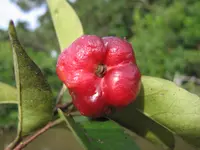
Narrow-leaved paperbark Care (Melaleuca alternifolia)

Narrow-leaved paperbark

About Narrow-leaved paperbark

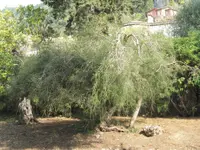
Narrow-leaved paperbark (Melaleuca alternifolia) is an evergreen shrub or small tree best known as the source of tea tree oil. It has narrow, aromatic leaves and a dense, bushy habit, with pale, bottlebrush-like flowers that attract pollinators.

This species is native to swampy and streamside areas of eastern Australia, where it grows in moist, often poorly drained soils. It can be moderately challenging outside mild climates, as it dislikes hard frost and very dry air.

In cultivation it prefers full sun, steady moisture, and a light, well-drained soil. Once these needs are met, it becomes fairly resilient, which helps when learning how to care for Narrow-leaved paperbark.

Main Plant Requirements

Care Difficulty

Moderate Care

Light Preference

Full Sun

Water Requirements

Regular Water

Temperature Preference

Warm Climate

Hardiness Zone

8–11

Soil Texture

Sandy, Loamy, Organic-rich

Soil pH

Strongly acidic (4.5–5.5), Acidic (5.5–6.5)

Soil Drainage

Moist but well-drained

Fertilization

Minimal (feed rarely)

Get Personalized Care Plan

Scan your plant to receive care tips personalized for your specific plant

Available on iOS and Android

How to Care for the Narrow-leaved paperbark

Melaleuca alternifolia prefers bright, open conditions that mimic its native Australian habitats.

  • Provide 6–8 hours of direct sun daily, ideally with strong morning sun and slightly filtered light in the harshest afternoon period in hot climates.
  • The plant tolerates light partial shade, but growth becomes looser and flowering decreases if it receives under 4–5 hours of direct sun.
  • In very hot summers, Narrow-leaved paperbark benefits from light afternoon shade to reduce leaf scorch, while in winter it should receive as much unobstructed sun as possible.

This species prefers consistently moist but not waterlogged soil, especially while establishing.

  • Water when the top 3–5 cm of soil feels dry; in sandy ground this may mean frequent light soakings, while heavier soils need more cautious watering.
  • During hot, windy periods, increase watering and watch for drooping tips or dry, curling leaves as signs of underwatering in Melaleuca alternifolia.
  • Ensure sharply drained soil; yellowing leaves, soft stems, or a sour smell around the roots indicate overwatering or poor drainage, especially in clay sites or low spots.

This plant is adapted to mild, frost-free to light-frost climates with warm summers.

  • Optimal growth occurs around 65–80°F (18–27°C), with best vigor where summers are warm but not extremely hot and dry.
  • Mature plants can tolerate brief drops to about 25°F (−4°C), but young specimens are more tender and benefit from protection during cold snaps.
  • In heat above 95°F (35°C), provide extra soil moisture and mulch to keep roots cool, as extended extreme heat or hot, drying winds can stress foliage and slow growth.

Humidity is only a minor factor for Melaleuca alternifolia in most homes.

  • Prefers 30–50% humidity, similar to typical indoor air levels.
  • Tolerates dry air well; leaf tips only brown if combined with underwatering or heat stress.
  • If air is very dry and hot, group plants or place a shallow pebble tray nearby to reduce leaf moisture loss.

Melaleuca alternifolia prefers sandy, fast-draining soils that still retain moderate, even moisture.

  • Use a mix of 50–60% coarse sand, 20–30% loam, and 10–20% fine bark or compost to combine drainage with light fertility.
  • Aim for slightly acidic to neutral pH, around 6.0–7.0, to support root function and nutrient uptake.
  • Improve aeration and prevent compaction by including coarse particles such as perlite, pumice, or fine gravel.
  • Avoid heavy clay, peat-heavy, or water-retentive mixes that stay wet for more than 1–2 days after watering, as this encourages root rot.

This species is suitable for container growing when provided with stable, well-drained conditions.

  • Choose a deep, slightly wider pot to accommodate its woody root system and prevent the plant from becoming top-heavy in wind.
  • Use a heavy, stable container material like ceramic or thick plastic to reduce tipping as the plant develops a taller canopy.
  • Ensure multiple drainage holes so water exits quickly, preventing the lower root zone from remaining saturated after thorough watering.

Melaleuca alternifolia grows naturally in low‑nutrient soils, so only modest fertilization is needed in containers or poor ground.

  • Use a light application of balanced NPK fertilizer or slow‑release pellets in spring as growth begins.
  • Feed container plants every 6–8 weeks during the growing season at 1/2 strength, following label directions.
  • Reduce or stop feeding in fall and winter when growth slows, especially indoors.
  • For caring for Narrow-leaved paperbark in the ground, a thin layer of compost around the drip line once a year is sufficient.

Melaleuca alternifolia responds well to light structural pruning to maintain a healthy, compact crown.

  • Carry out main pruning in late winter or early spring before active growth starts.
  • Remove dead, damaged, crossing, or inward‑growing branches to improve air flow and light penetration.
  • Shorten overly long shoots to shape the canopy but retain natural, slightly airy form.
  • Use clean, sharp hand pruners or loppers and make angled cuts just above a healthy bud or side branch.

This species is more often planted in the ground than kept in pots, so focus on careful transplanting when young.

  • Transplant in late winter or early spring, choosing an overcast, mild day to limit water loss.
  • Look for roots circling the container, slow growth, or quick drying soil as signs a potted plant needs a larger pot.
  • Step up only 1–2 pot sizes or move to a well‑drained site, gently teasing out circling roots without breaking the root ball.
  • Water deeply after planting, then keep soil evenly moist for several weeks to reduce transplant shock and support new root growth.

Melaleuca alternifolia is commonly propagated from semi‑hardwood cuttings or seeds under controlled conditions.

  • Take semi‑hardwood cuttings in late spring to late summer from non‑flowering shoots 7–10 cm long.
  • Remove lower leaves, dip the cut base in rooting hormone, and place in a free‑draining mix kept slightly moist.
  • Provide bright, indirect light, high humidity, and bottom warmth around 70–75°F to encourage rooting.
  • Sow fresh seed on the surface of a sandy mix, keep lightly moist, and avoid covering heavily, as tiny seeds need light to germinate.

This warm‑climate tree is frost sensitive and needs protection in regions with cold winters.

  • In USDA zones colder than 9, grow in containers and move indoors or into a frost‑free greenhouse before nights drop near 32°F.
  • Outdoors in mild climates, apply a 5–8 cm mulch layer around the root zone, keeping it away from the trunk.
  • Shelter young plants from cold winds using windbreaks or temporary fabric wraps around the canopy.
  • Position indoor overwintered plants in bright light and water sparingly, allowing the top layer of soil to dry between waterings.

Care Tips

Root-zone mulching

Apply a thin 2–3 cm layer of coarse bark or gravel around the root zone to keep soil moisture more even and protect fine feeder roots from heat stress without holding excess water against the trunk.

Salt and wind shielding

In coastal or exposed sites, install a low windbreak fence or plant a row of tougher shrubs upwind to reduce salt scorch and mechanical wind damage to the narrow foliage.

Structured formative pruning

During the first 2–3 years, selectively remove competing leaders and inward-growing branches in late winter to build a single strong trunk and an open framework that tolerates storms and reduces branch breakage.

Harvesting for oil use

If leaves are being harvested for home distillation or crafts, take only 20–30% of current-season growth per year and rotate which branches are cut so the plant maintains enough foliage for vigorous regrowth.

Container root management

For container-grown plants, slip the root ball out of the pot every 1–2 years and slice or tease apart circling roots before repotting into fresh, gritty mix to prevent girdling and support long-term success when growing Narrow-leaved paperbark.

Common Pests and Diseases

Myrtle rust

This disease causes bright yellow powdery spores on young leaves, shoot tips, and sometimes flowers, followed by leaf distortion and dieback. Symptoms include premature leaf drop and thinning of the canopy, especially in humid, mild conditions.

Solution

Remove and dispose of heavily infected shoots, avoiding contact with healthy foliage, and disinfect pruning tools after use. Improve airflow around the plant, avoid overhead watering, and in high-risk areas use a registered fungicide for myrtle rust, strictly following local guidelines and label directions.

Scale insects

These insects attach to stems and leaves as small, rounded or oval bumps that excrete sticky honeydew, which can lead to sooty mold growth. This pest weakens plants by sucking sap, causing yellowing foliage and reduced vigor.

Solution

Prune out heavily infested twigs and wipe lighter infestations with a cloth dipped in a mild soapy water solution or horticultural oil. For larger plants, apply a horticultural oil spray, ensuring thorough coverage of stems and leaf undersides while avoiding application during high heat or strong sun.

Psyllids

These insects feed on young shoots, causing pitted, distorted, or cupped leaves and sometimes leaving small white, waxy deposits. This pest is more common on stressed or very young trees and can reduce growth if populations build up.

Solution

Encourage natural predators by avoiding broad-spectrum insecticides, and prune out heavily affected new growth. For persistent problems, use a targeted insecticidal soap or horticultural oil on flushing foliage, repeating as needed according to label directions and monitoring for reinfestation.

Web-spinning mites

These pests form fine webbing on foliage and cause tiny pale or bronze speckles on leaves, which may eventually dry out and drop. This pest is favored by hot, dry conditions and low humidity.

Solution

Increase humidity around the plant, gently hose down foliage to break webs, and remove heavily damaged leaves. If needed, apply a miticidal horticultural oil or insecticidal soap to both leaf surfaces, repeating at intervals to cover new mite hatchings and maintaining good plant hydration to reduce stress.

Interesting Facts

Tea tree oil source

This species is the primary natural source of tea tree oil, which is obtained by steam-distilling its aromatic leaves and small branchlets and standardized in international quality standards such as ISO 4730.

Endemic swamp specialist

It is naturally restricted to a small region of coastal New South Wales, Australia, where it forms dense stands in waterlogged soils along streams and swampy lowlands.

Specialized leaf glands

The narrow leaves contain numerous specialized oil glands that store volatile terpenes, which give the foliage a strong resinous scent and help reduce herbivory and pathogen attack.

Botan icon

Did you know?

Early 20th‑century Australian military kits sometimes included tea tree oil distilled from this species, reflecting its recognized antiseptic properties long before modern synthetic antiseptics became widespread.

FAQs about Narrow-leaved paperbark

Yes, this species adapts well to large containers with good drainage. Use a deep pot, prune lightly to control size, and repot every few years as roots fill the container to prevent decline.

Grow Healthy Plants with Botan Care

Keep your plants happy and healthy with plant identification, disease detection, and easy care guidance.

Botan plant care app — identify plants on mobile

Explore More Plants