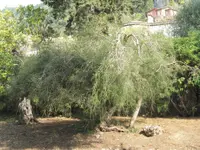


Narrow-leaved paperbark (Melaleuca alternifolia) Light Needs

tea tree grows best in full sun, with several hours of direct sunlight each day.

Light Preference

Full Sun

Melaleuca alternifolia Light Requirements

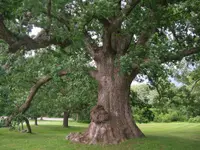
Melaleuca alternifolia is native to eastern Australia, where it grows in open, wet flats and along watercourses with strong sun exposure. These sites are not shaded forest understories; plants usually receive long periods of direct light, with only brief filtering from surrounding vegetation. In cultivation, this background translates to a high-light plant that tolerates heat and open exposure. Preferred light is full sun.

  • Ideal exposure:

    tea tree needs about 6–8 hours of full sun daily, including at least 6 hours of direct sun when grown outdoors.

  • Direct sun:

    Established plants tolerate full sun, including warm afternoon exposure, when they have been grown in bright conditions.

  • Partial sun:

    It can grow with 4–6 hours of direct sun, but growth and flowering may be lighter than in full sun.

  • Shade risk:

    Bright shade or low indoor light is usually too weak and can lead to thin, stretched growth.

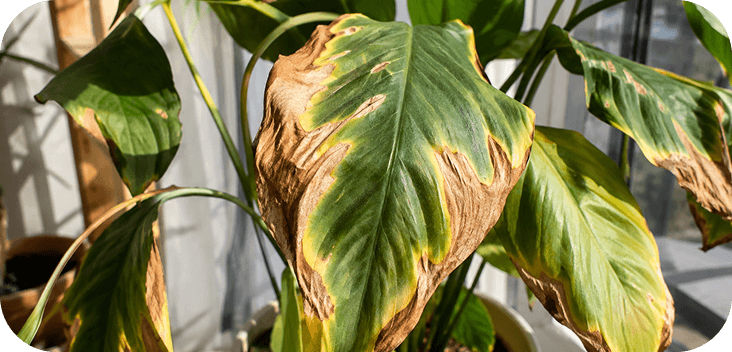
Excess light is usually linked to sudden exposure or reflected heat.

Bleached patches:

Leaves may develop pale tan or gray areas on the most exposed side after a rapid move into stronger sun.

Scorched tips:

Tender new shoots can look dry or singed when intense afternoon sun follows lower-light growing conditions.

One-sided stress:

Damage often appears on the side facing hot pavement, walls, or unfiltered western exposure.

Faded growth:

New growth may look dull rather than fresh when light intensity rises faster than the plant can adjust.

Shift the plant out of reflected heat and reintroduce stronger sun over 1–2 weeks. Use light afternoon filtering during the transition.

Low light is a common problem when this species is kept in shade or indoors.

  • Stretched shoots:

    New stems may grow longer and thinner as they reach toward brighter light.

  • Sparse branching:

    Growth can become open, with wider spacing between leaves and fewer dense shoot tips.

  • Reduced flowering:

    Flowering may be limited or absent when the plant receives only partial light for long periods.

  • Small new growth:

    Active-season shoots may stay short and weak despite suitable temperatures.

Move it to a brighter outdoor position with more direct sun. Increase exposure in stages if it has been shaded.

If ideal full sun is not available, choose the brightest site that still gives 4–6 hours of direct sun. Treat this as a compromise, not a true low-light setup.

Improve exposure by reducing shade where possible, and rotate container-grown specimens every few weeks so each side receives direct light.

Avoid deep shade under eaves or dense structures because it will not meet Melaleuca alternifolia light needs.

Get Personalized Care Plan

Scan your plant to receive care tips personalized for your specific plant

FAQ

The best light is full sun, with strong direct exposure for most of the day. For tea tree light requirements, partial sun is tolerated, but shade is not a good long-term setting.

More Plant Light Guides

Get the Botan App

Discover how to care for your plants with Botan.

Botan app identifying a plant with a phone camera
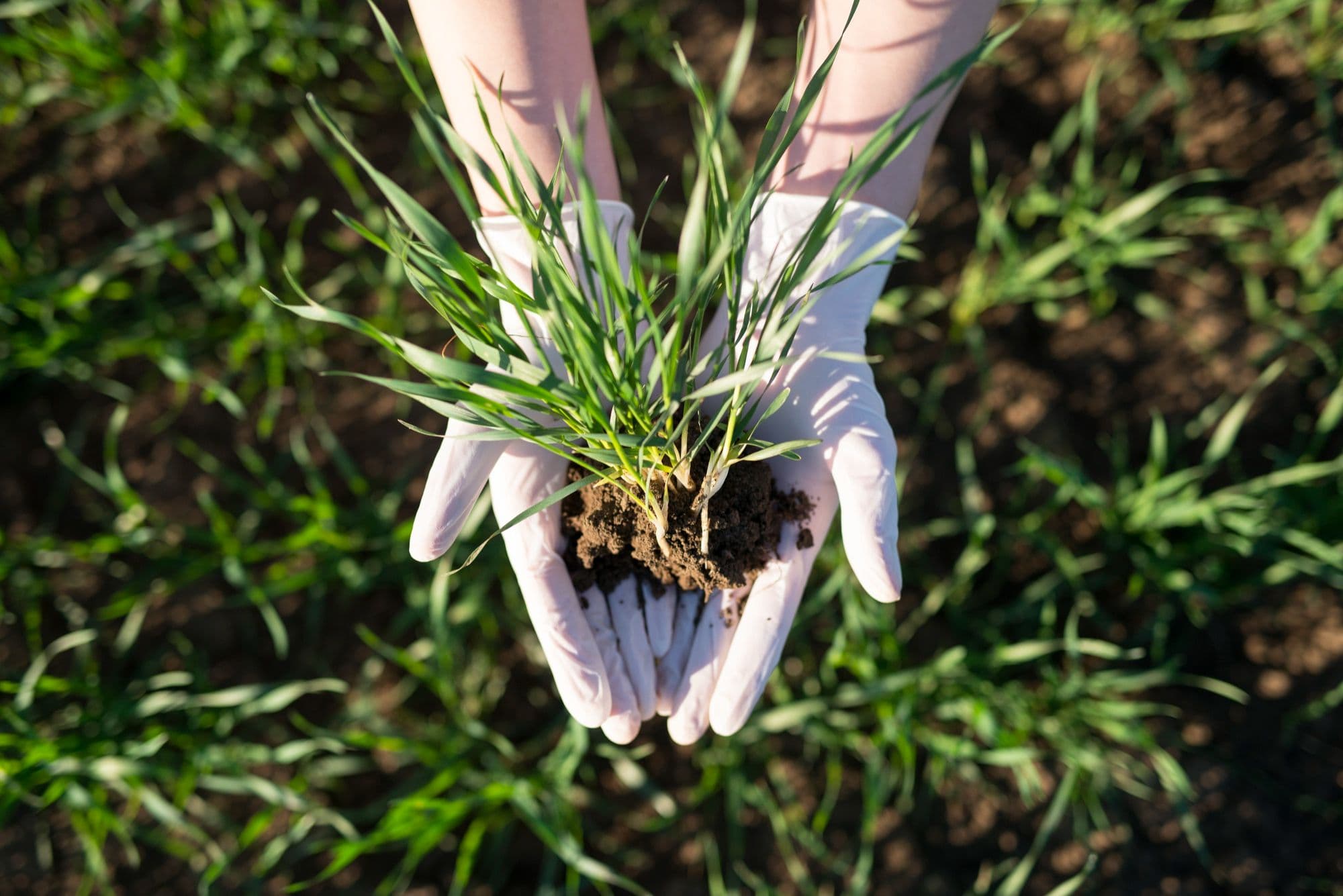
Planting Grass Seed in Summer – What Works and What Fails

7 min read · 6 Aug 2026

Planting Grass Seed in Summer – What Works and What Fails

Summer seeding succeeds when the grass type suits the season, and the soil stays moist. Find out how to prepare the seedbed and choose a safe window for planting.

Plant Care
Planting Grass Seed in Summer – What Works and What Fails
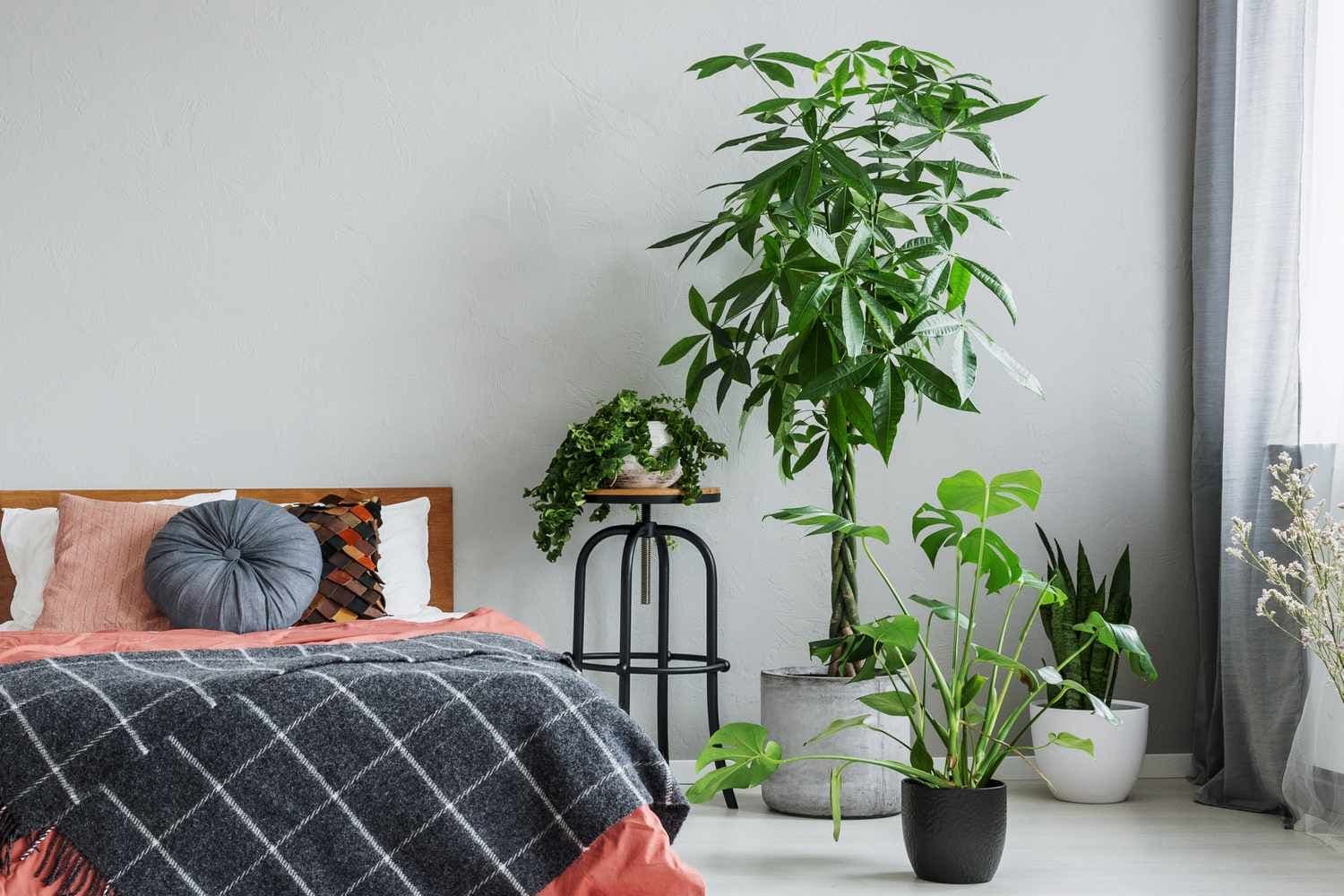
Best Bedroom Plants – Top 10 to Grow in Your Space

8 min read · 8 Jul 2026

Best Bedroom Plants – Top 10 to Grow in Your Space

Discover the top 10 houseplants that are suitable for growing in your bedroom. Compare their light and water needs, pet safety, and benefits. Find out where best to place greenery in your relaxation space and what species to avoid.

Plant Recommendations
Best Bedroom Plants – Top 10 to Grow in Your Space
How to Repot a Plant: A Step-by-Step Guide

7 min read · 28 May 2026

How to Repot a Plant: A Step-by-Step Guide

In spring, many plants need repotting—an essential part of care. To avoid stress, consider the plant’s type and size. This article offers a step-by-step guide for repotting indoors or outdoors and shows how to check plant health and get care tips using the Botan app.

Plant Care
How to Repot a Plant: A Step-by-Step Guide