

6 min read · 19 Aug 2026
How to Tell if a Plant Is Dead
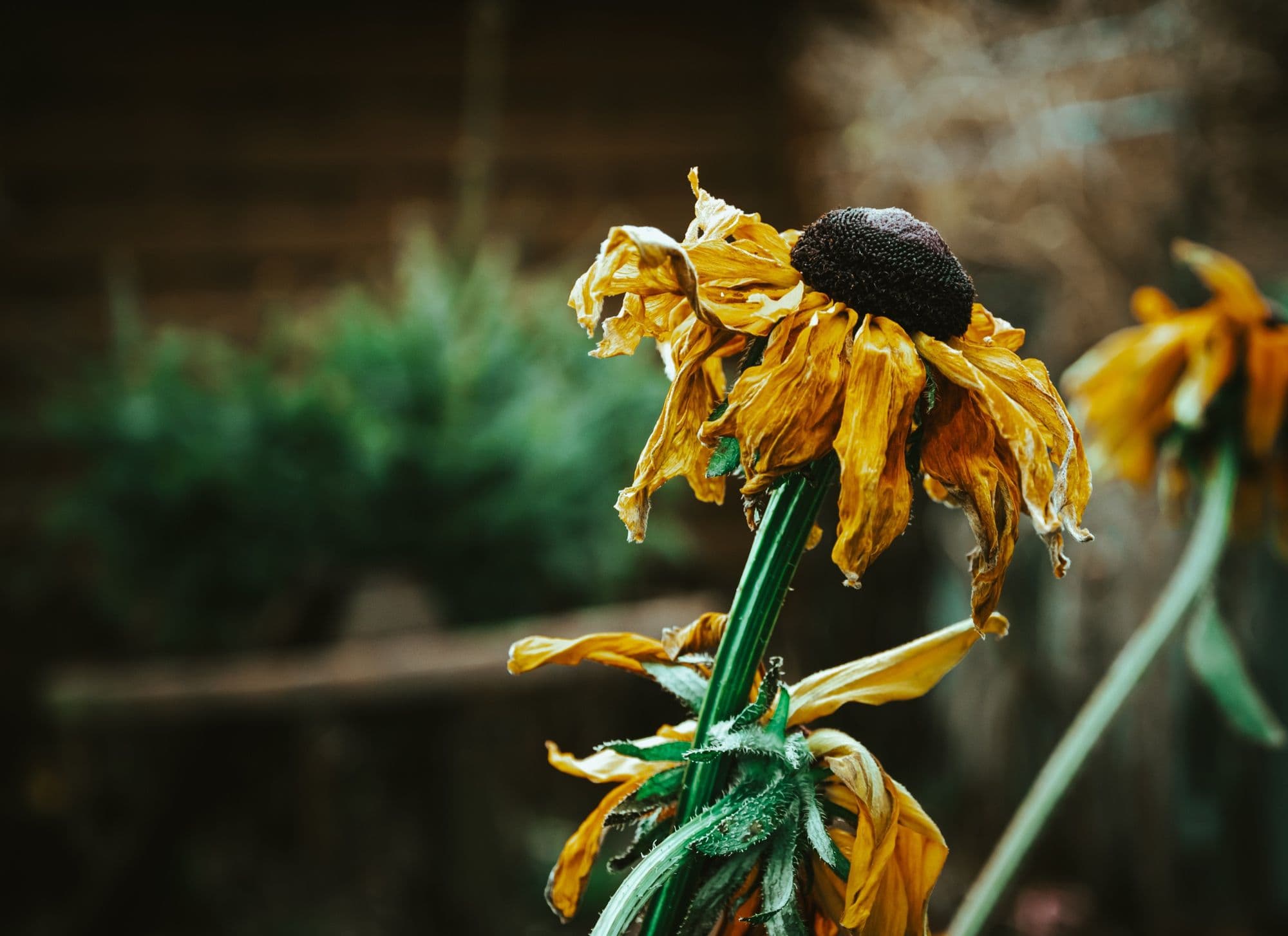
A plant can lose its leaves, stop growing, or collapse and still remain alive. A closer look at the stems, roots, bulbs, and tubers can show whether the plant still has a chance to recover.
white oak grows best in full sun, with several hours of direct sunlight on most days.

Light Preference
Full Sun

Quercus alba is native to much of eastern and central North America, where it grows in forests, upland woods, slopes, and open sites. Seedlings may start in partial shade, but strong long-term growth depends on breaks in the canopy and access to open light. In cultivation, it performs best with broad sky exposure and direct sun. Preferred light is full sun.
white oak needs about 6–8 hours of full sun daily, including at least 4–6 hours of direct sun.
Established trees handle all-day sun when roots have room and exposure increases naturally.
Young trees can tolerate partial sun, but dense shade reduces sturdy branching and crown development.
Hot afternoon sun is usually acceptable outdoors, though newly planted trees benefit from gradual exposure.
Full sun is usually suitable, but sudden, intense exposure can stress young or recently moved trees.
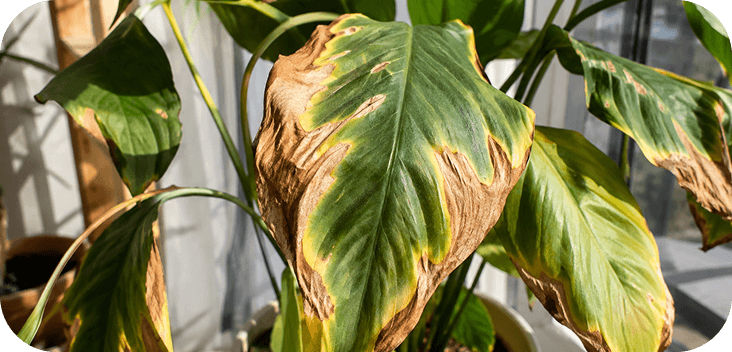
Leaves may develop tan, dry areas between veins or along exposed sections after an abrupt increase in sun.
The sun-facing side of the canopy may look pale or washed compared with shaded inner leaves.
Edges can dry on outer, west-facing growth where heat and direct sun are strongest.
Late-summer browning may appear first on the most exposed leaves during hot, cloudless periods.
Reduce reflected heat and provide temporary afternoon shade for young specimens. Increase exposure gradually once new growth appears normal.
Low light is a poor long-term match for this species. Shade affects shape before it causes obvious decline.
New stems may grow longer than usual as they reach toward open sky.
Branches can become thin and widely spaced, especially on the shaded side of the canopy.
New leaves may stay smaller when the tree cannot support strong active-season growth.
Young trees may bend toward the brightest gap instead of forming a balanced leader.
Move container-grown or newly planted specimens to a brighter site with open sky. For established outdoor trees, reduce nearby shade only where it can be done safely.
Choose the brightest practical outdoor site if ideal full sun is not available. Aim for at least a half day of direct sun rather than bright shade.
Remove or thin nearby shading only when it can be done without damaging the tree or surrounding structures. For a newly planted specimen, use temporary afternoon shade during its first abrupt heat exposure, then reduce it gradually.

Too Much Sun?
Check if your plant gets too much direct sunlight and improve its placement
Scan your plant to receive care tips personalized for your specific plant
This species grows best in full sun, with broad sky exposure and several hours of direct sun. Partial sun is tolerated, especially when the tree is young, but shade limits strong growth.
Discover how to care for your plants with Botan.


6 min read · 19 Aug 2026
A plant can lose its leaves, stop growing, or collapse and still remain alive. A closer look at the stems, roots, bulbs, and tubers can show whether the plant still has a chance to recover.

4 min read · 14 Sept 2026
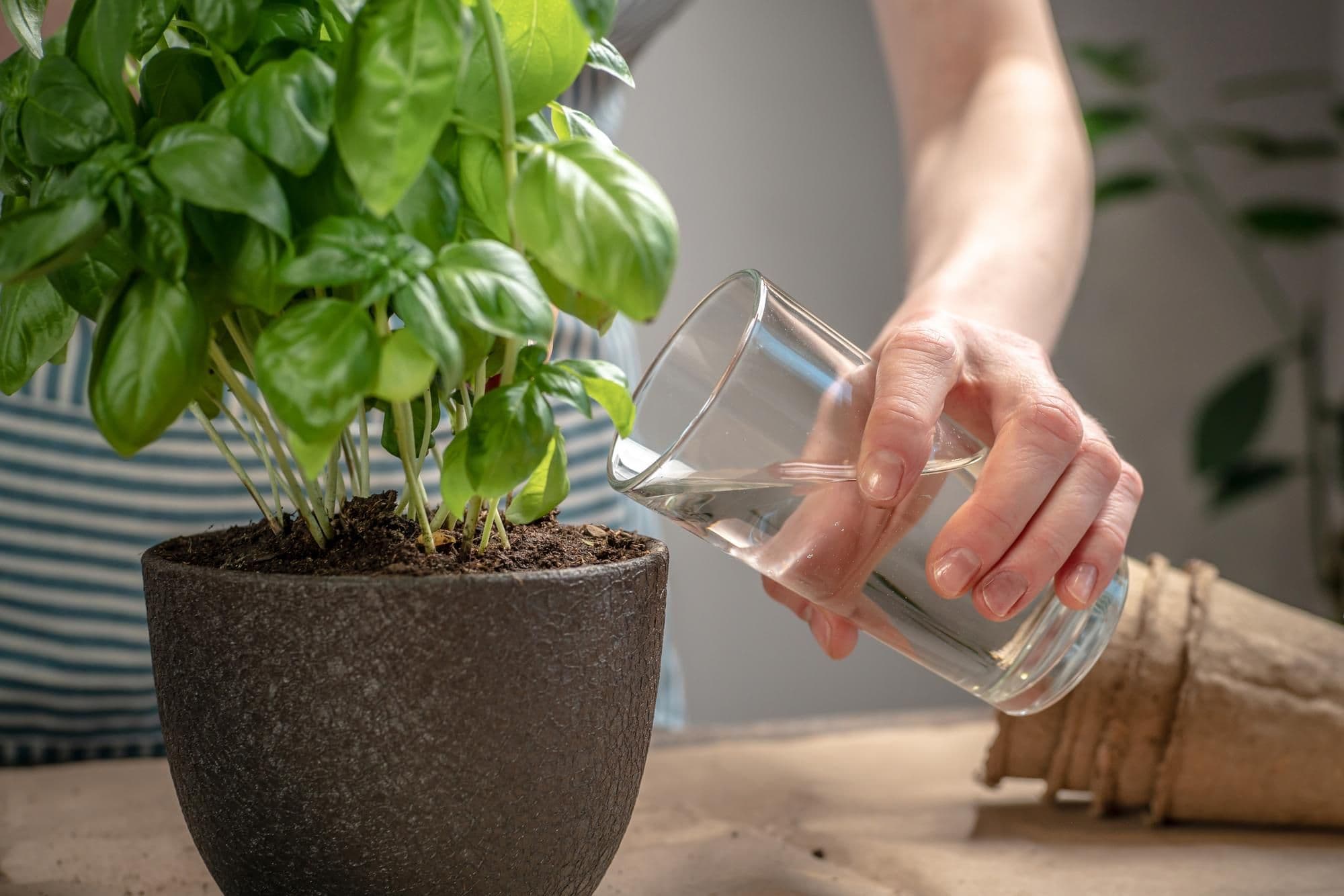
Sugar water may sound like an easy boost, but most rooted plants do not need extra sucrose. This guide explains how green tissues produce carbohydrates, when a sweetened solution can be useful, and why too much can cause problems.

6 min read · 8 Sept 2026
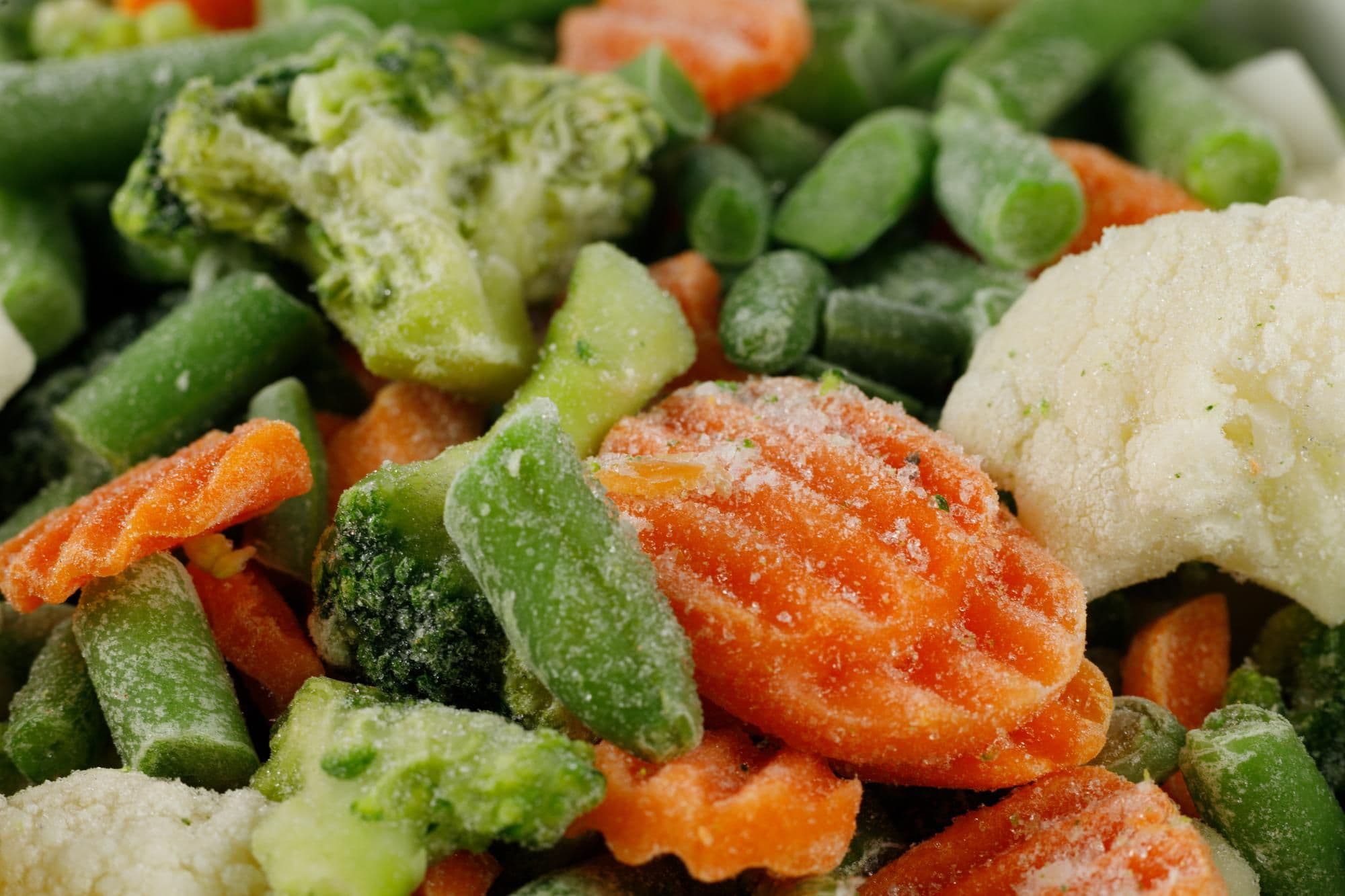
Frozen and fresh vegetables are nutritionally comparable: frozen produce often retains vitamins just as well as fresh and may sometimes contain more. Here’s how blanching and storage affect nutrients—and when to choose each.